
Music connects people across generations, bringing back memories and creating opportunities to share meaningful experiences. For many parents, the songs they grew up listening to represent childhood adventures, family celebrations, friendships, and unforgettable moments.
Introducing your children to these songs lets you share a piece of your personal history while helping them discover different musical styles. Whether you grew up on classic rock, pop, soul, or country, there are plenty of fun ways to bring your favorite childhood songs into your family’s everyday life.
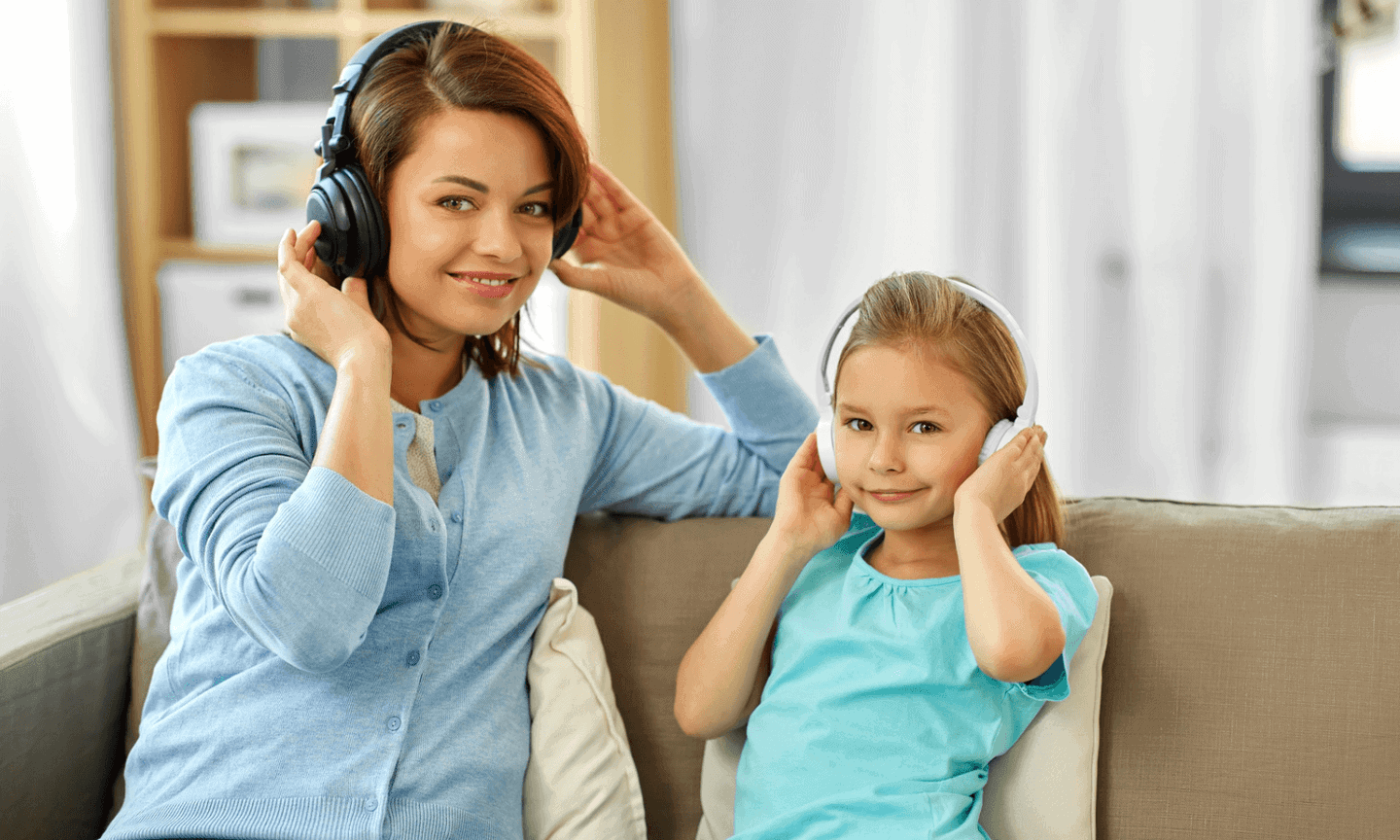
Start With Songs That Have Special Memories
One of the easiest ways to introduce your children to your favorite music is by choosing songs that hold personal meaning. Think about the artists you listened to on family road trips, during school vacations, or at memorable celebrations.
Instead of simply playing a song, explain why it matters to you and share a story connected to it. Your children might enjoy hearing about the first concert you attended, the music your parents played, or the songs you loved dancing to as a teenager.
These personal stories can make older music more interesting because children begin associating the songs with family experiences. They also get an opportunity to learn more about your childhood and how life has changed over the years.
Create A Family Playlist Together
Creating a shared playlist is a simple activity that encourages everyone to discover new music together. Start by adding some of your favorite childhood songs and invite your children to contribute a few of their current favorites.
Mixing music from different generations helps children recognize similarities between older songs and modern hits. They might discover familiar melodies, musical influences, or rhythms that connect their favorite artists with musicians from previous decades.
You can also create themed playlists for different family activities, including weekend cleaning, cooking dinner, or traveling together. Over time, these playlists can become part of your family’s traditions and create new memories around familiar songs.
Make Listening To Vinyl Records A Family Activity
Listening to music doesn’t always require streaming services or digital devices. Playing vinyl records can introduce children to a more hands-on listening experience that encourages them to appreciate music differently.
Show your children how a record player works, explain why records have different sides, and let them explore colorful album covers. Choosing a record, placing it on the turntable, and listening together can make music feel like a special occasion.
If you want to revisit albums from your childhood, browsing a vinyl store for collectors such as Evergreen Vinyl can help you explore older releases and rediscover familiar artists. You might even find records that introduce your children to musicians they’ve never heard before.
Turn Music Into A Fun Family Game
Children often respond better to play, so music-related games are an excellent way to introduce older songs. Organize a guessing game where family members identify artists, song titles, or musical instruments.
Another entertaining idea is to play short sections of songs and have everyone guess which decade they’re from. Younger children might enjoy identifying different sounds, while older kids can compete to recognize famous singers or memorable lyrics.
You can also organize a family karaoke evening featuring songs from different generations. Encourage everyone to choose a favorite track, sing along, and enjoy the experience without worrying about perfect performances.
Explore The Stories Behind Famous Musicians
Music becomes more interesting when children understand the people and experiences behind their favorite songs. Sharing stories about famous musicians can help children appreciate the creativity, dedication, and cultural influences that shaped different musical eras.
Talk about how artists developed their musical styles, formed bands, or overcame challenges while building their careers. You can also explain how musical trends reflected changing fashion, technology, and social attitudes during different decades.
For older children, documentaries, biographies, and interviews offer additional ways to explore music history. These resources can spark curiosity while helping children understand why certain musicians continue to influence popular culture.
Connect Older Music With Today’s Popular Artists
Children might initially feel that older music has little connection to the songs they enjoy today. However, many contemporary musicians draw inspiration from earlier generations, creating opportunities to explore these connections together.
Find examples of modern songs that sample older recordings, reinterpret classic melodies, or incorporate similar musical styles. Listening to both versions can help children understand how music evolves while introducing them to the original artists.
Encourage your children to compare the songs and explain which elements they enjoy most. This approach makes musical discovery feel like a conversation rather than a lesson about why older music deserves appreciation.
Make Music Part Of Everyday Family Activities
Introducing children to older music doesn’t require elaborate activities or dedicated listening sessions. Sometimes, the most memorable experiences happen when families naturally incorporate music into their daily routines.
Play your favorite childhood songs while you prepare dinner, clean the house, or enjoy a weekend breakfast together. You can also create special road trip playlists featuring music from different decades so everyone can discover something new.
According to the National Association for the Education of Young Children, families can use music throughout daily routines to encourage creativity, expression, and learning. These simple experiences make music a familiar and enjoyable part of family life.
Let Your Children Develop Their Own Musical Preferences
While sharing your favorite childhood songs can be rewarding, it’s equally important to respect your children’s individual musical tastes. They might not immediately appreciate every artist or genre you introduce, and that’s perfectly normal.
Rather than insisting that older music is better, encourage open conversations about what makes different songs enjoyable. Ask your children which instruments, melodies, or lyrics they like, and let them introduce you to their favorite musicians.
This mutual exchange helps create a positive environment where everyone feels comfortable expressing their preferences. Your children may eventually appreciate older music simply because they associate it with enjoyable family experiences.
Create Musical Traditions That Last For Years
Music can become an important part of your family’s identity when you build traditions around shared listening. Choose a favorite album for Sunday mornings, organize monthly family dance nights, or create special playlists for birthdays and holidays.
As your children grow older, these traditions can evolve to reflect their changing interests and musical discoveries. Songs that once reminded you of your childhood might eventually remind your children of the time you spent with them.
Conclusion
Introducing your children to the music you loved growing up offers more than a chance to revisit nostalgic songs. It encourages meaningful conversations, shared experiences, and a deeper understanding of your family’s history.
By combining storytelling, interactive activities, and everyday listening opportunities, you can help your children discover music from different generations. Most importantly, you’ll create new memories together that could make those familiar childhood songs just as special to them as they are to you.