
Aboriginal art stands as one of the most unique and culturally rich artistic traditions globally. While its often high price can surprise some viewers, these works embody far more than visual appeal. They are deeply connected to history, identity, and tradition, carrying meanings that extend beyond what is immediately visible.
The value of aboriginal artwork lies in its profound cultural significance, storytelling, and authenticity. Each piece reflects generations of knowledge, spiritual beliefs, and connections to the land, often created using techniques passed down over thousands of years. When considering its cost, it becomes clear that Aboriginal art is not simply decorative, it represents heritage, ethical sourcing, and the preservation of an ancient and living culture.
Cultural Significance and Storytelling
At the heart of Aboriginal art lies storytelling. Each piece is not merely decorative but a visual narrative connected to Dreaming stories, spiritual beliefs that explain the origins of the land, people, and animals. These stories are passed down through generations and are often restricted to certain community members. When an artist creates a painting, they are sharing part of this sacred knowledge.
Because of this, Aboriginal art is not mass-produced in the conventional sense. Each artwork carries a unique cultural meaning, making it inherently valuable. Buyers are not just purchasing a painting; they are investing in a piece of living history.
Authenticity and Provenance
Authenticity plays a critical role in determining the price of Aboriginal art. Genuine works are typically accompanied by certificates of authenticity, detailing the artist’s background, community, and the story behind the piece. This provenance ensures that the artwork is ethically sourced and that the artist has been fairly compensated.
In Australia, reputable galleries and art centres work closely with Indigenous communities to maintain transparency and integrity in the market. This ethical framework contributes to higher prices, as it prioritises fair trade and cultural respect over mass commercialisation.
Time, Skill, and Technique
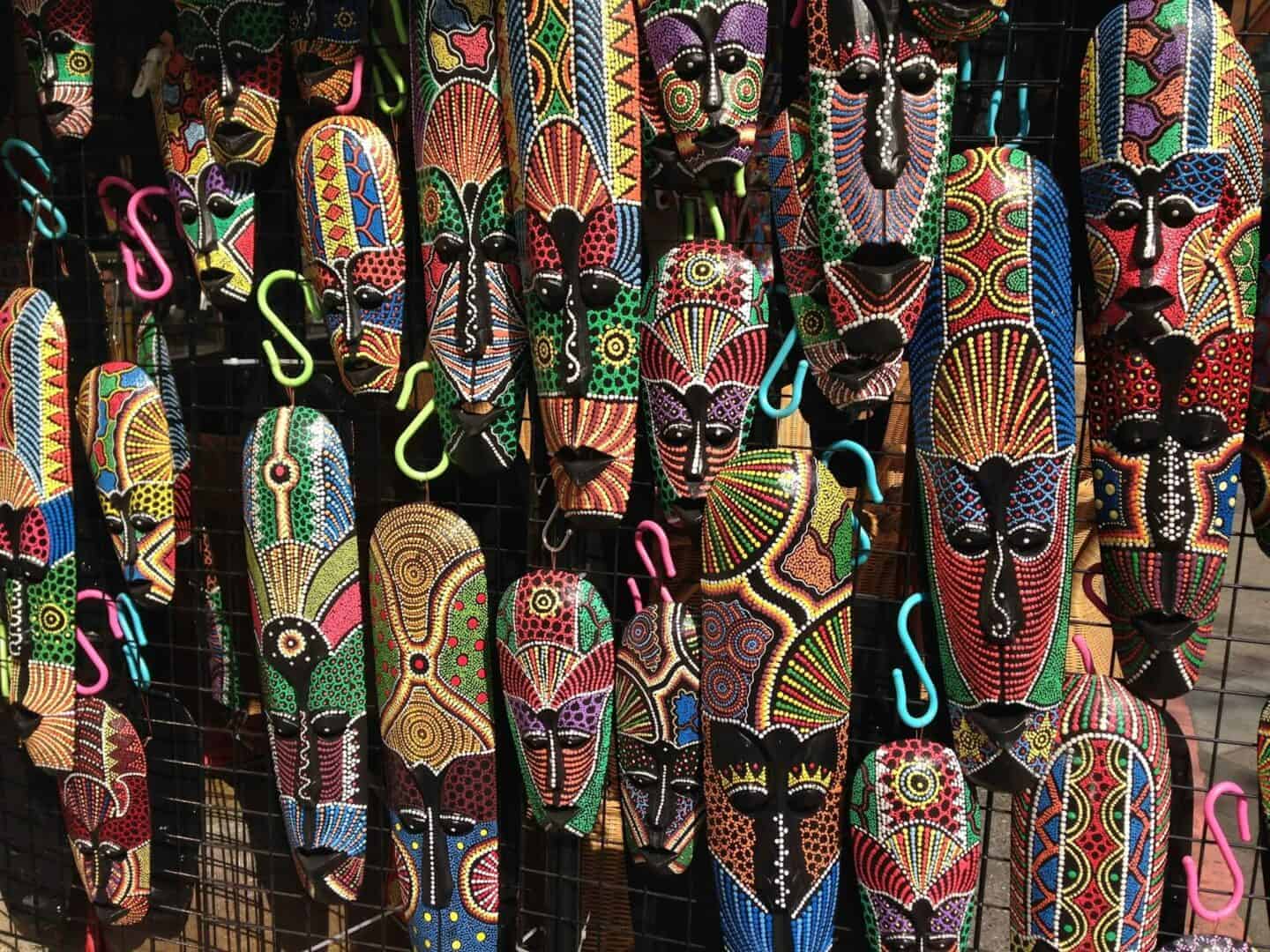
Aboriginal art often involves intricate techniques, such as dot painting, cross-hatching, or bark painting. These methods require years of practice and cultural learning. Some artworks take weeks or even months to complete, particularly large canvases or highly detailed pieces.
The level of craftsmanship involved naturally influences pricing. As with any fine art, the more skilled and experienced the artist, the higher the value of their work. Established Aboriginal artists with international recognition can command premium prices due to their reputation and contribution to the art world.
Limited Supply and High Demand
Another key factor driving the cost of Aboriginal art is its limited supply. Authentic works are created by a relatively small number of Indigenous artists, many of whom live in remote communities. This scarcity, combined with growing global demand, increases market value.
Collectors, museums, and investors worldwide seek Aboriginal art not only for its beauty but also for its cultural and historical importance. As awareness and appreciation continue to grow, so too does the demand, further elevating prices.
Ethical Considerations and Community Support
Purchasing Aboriginal art often supports Indigenous communities directly. Many artists are part of cooperative art centres that reinvest profits into local infrastructure, education, and cultural preservation. This ethical dimension adds another layer of value to each piece.
Higher prices can therefore reflect fair wages, sustainable practices, and community empowerment. For many buyers, this makes Aboriginal art not just a purchase, but a meaningful contribution to preserving one of the world’s oldest continuous cultures.
Conclusion
The cost of Aboriginal art is shaped by a combination of cultural depth, authenticity, craftsmanship, and ethical responsibility. Far from being overpriced, these works embody stories, traditions, and identities that have endured for tens of thousands of years. For collectors and admirers alike, understanding these factors reveals that Aboriginal art is not just expensive, it is invaluable.