
When it comes to golf, most people obsess over clubs and swings, but grips are just as important in terms of performance. Although these grips wear out with time, they can often do so unnoticed. Knowing when your clubs need replacing can make a significant difference in both acute comfort and long-term performance on the course. While you may not feel comfortable removing grips regularly, identifying them is a crucial step in improving your game.

Visible Wear and Tear
Visible cracks, splits, or shiny spots on the surface around the grip indicate deterioration. Loss of texture, particularly in areas of high contact, can lead to reduced traction. If the grips exhibit discoloration or uneven surfaces, they remain functional. One early sign that replacement is due is that they look well-worn. Prevent sudden surprises before a round through regular inspection. Golfers improve their swing consistency by choosing premium golf grips that enhance comfort and control.
Slipperiness and Poor Control
If you don’t have a proper grip, you will lose control over the ball or hit it incorrectly. The surface becomes slick with sweat, dirt, and oils from your hands. If the club twists during your swing or is harder to hold, the grip is ineffective. New grips that have some tackiness improve the grip’s effectiveness. Every shot is more accurate, and you are more confident in those shots with stable control.
Reduced Comfort and Hand Fatigue
The new grips’ absorption and dampening protect the hands while playing. Comfort crumbles with use as the material hardens or thins. After a round, golfers might feel a little more hand fatigue or some small blisters. Physical Discomfort: If you are uncomfortable, it can distract from your focus and performance. New grips restore the grip and comfort necessary for completing a successful round.
Loss of Tackiness
When playing in humid conditions or rain, the surface must remain tacky to ensure a consistent grip. Excessive use of factory grips causes them to lose their stickiness, which makes it challenging to maintain a firm grip. People try to compensate by squeezing their hands harder, which leads to tension and poor swings. The tackiness you desire for an effortless, controlled grip diminishes over time, but replacing those old grips will restore it.
Noticeable Change in Performance
Worn-out grips often lead to a significant drop-off in shot accuracy or distance. Even with the same swing technique, clubs might feel heavier or less controllable. A re-grip can restore the feel and consistency you remember. Adjusting grip conditions is a relatively simple change that can significantly improve your chances of playing effectively.
Grip Longevity
Frequent golfers might have to change the grips more often than infrequent players. If you are a weekly player or practice regularly, your grips need to withstand additional stress. However, high traffic is still high traffic; some wear is only natural, regardless of how often you have your floors cleaned. Tracking the condition of the grip based on playing habits can guarantee the best performance and comfort level at all times.
Environmental Agents
Hot sun, rain, and temperature fluctuations can cause grips to age rapidly. Keeping clubs in a vehicle or garage exposes them to extreme climates. Moisture or UV rays tend to disintegrate grips prematurely. Storing gear in a dry, calm environment and renewing environmental grips keeps the function intact.
Simple Testing Can Help Decide
Grips can be evaluated in a hands-on manner, such as pressing a thumb against the surface to assess the grip strength. If the material does not spring back quickly, it may have lost elasticity. Gently twist the grip and check it for play or feel if it is loose inside. This simple test enables the straightforward determination of whether replacement is needed.
Why Timely Replacement Matters
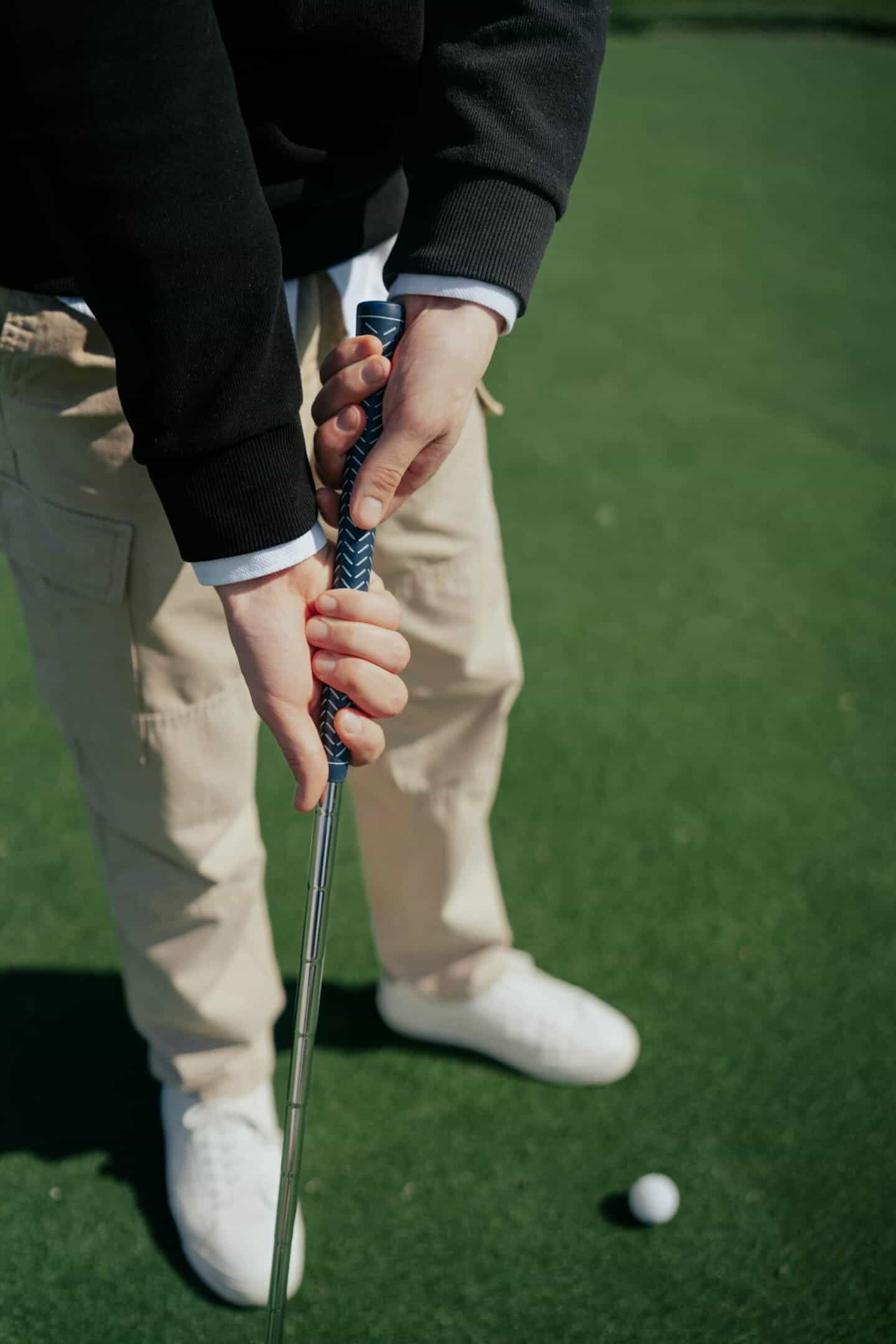
New grips equal better performance and enjoyment on the course. They offer improved grip, reduce hand fatigue, and aid in a more consistent swing. Failing to replace worn grips will result in inconsistent shots and discomfort. Frequent grip updates demonstrate attention to detail but also suggest a lack of commitment to improving at golf.
Conclusion
Being able to identify old grips and taking necessary action can help golfers of all levels. Routine checkups and replacement make every round feel nice and composed. Whatever the level, a good set of grips will aid in technique and build confidence amongst players to get every last drop out of each match.