
The world today is rapidly evolving, spearheaded by technology that aims to enhance the lives of individuals with disabilities. Accessibility has become a critical concern, and numerous tools and solutions emerge each day to address these challenges.
In this guide, we will explore various modern accessibility tools and devices, their importance, and how they contribute to freedom and independence for individuals with disabilities.
Understanding Accessibility Tools
Accessibility tools are designed to assist individuals with disabilities in performing tasks that may otherwise be difficult or impossible. These tools encompass a broad range of products, from software solutions that aid navigation on digital platforms to physical aids that support mobility. By breaking down barriers, these tools empower users to engage fully in everyday activities.
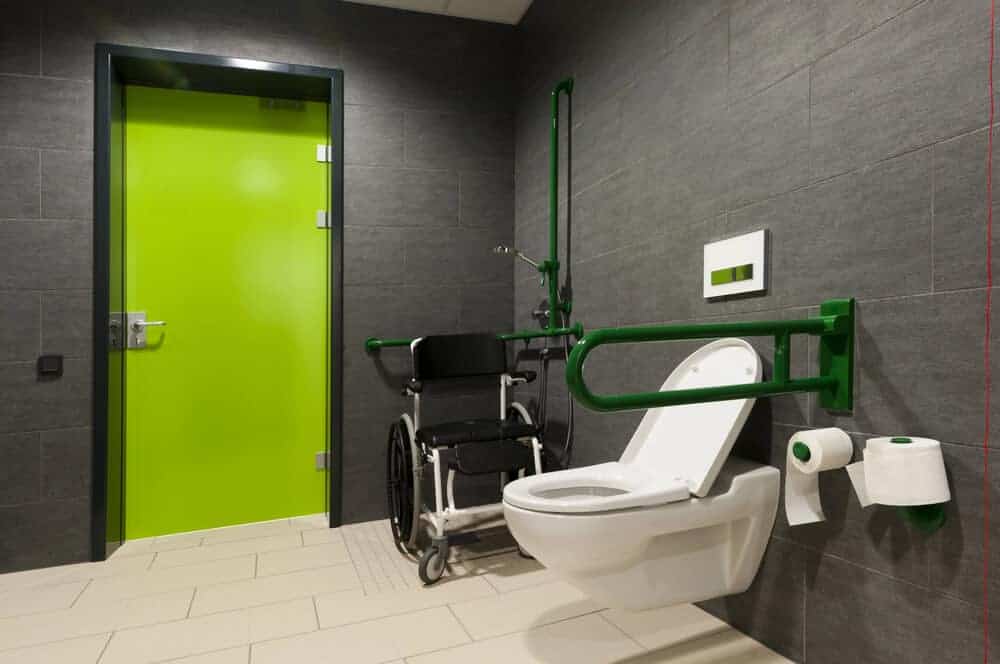
Assistive technology often refers to devices or software specifically optimized for this purpose. They include everything from screen readers for visually impaired users to grab bars and ramps for those with mobility challenges. According to a report by the World Health Organization, an estimated 1 billion people worldwide experience some form of disability, highlighting the urgent need for more inclusive solutions.
Promoting Independence
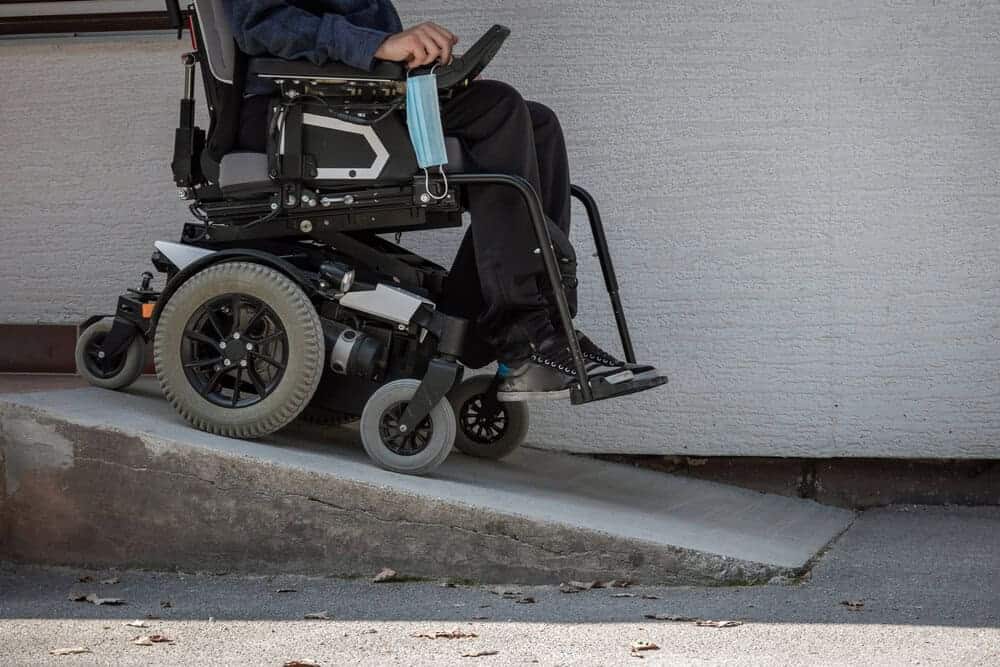
For many individuals, mobility is one of the most significant challenges faced daily. Mobility aids such as wheelchairs, scooters, and walkers are key tools that facilitate movement and independence.
Over the years, these aids have evolved tremendously, with features designed for various needs and environments. Powered wheelchairs and scooters provide a layer of independence for those who cannot propel themselves manually.
Modern designs often include customizable controls, ergonomic seating, and enhanced safety features. For individuals considering the purchase of such devices, exploring websites that sell electric wheelchairs, such as Mobility Department, can provide an array of options catering to diverse needs and preferences. Innovations in lightweight materials mean that today’s mobility aids are more portable and easier to handle.
Technology and Communication Aids
Access to communication is vital for meaningful engagement in the community. For individuals with speech or hearing impairments, communication aids can facilitate interaction with others. Devices such as augmentative and alternative communication (AAC) systems provide users with various methods to express themselves.
With the rise of smartphones and tablets, communication has been redefined. Many applications cater to users’ specific needs, offering speech-to-text capabilities or customizable icon-based communication systems. Sign language technology is on the rise, enabling users to express themselves more effectively than ever before.

Smart Home Technologies for Increased Accessibility
Smart home technologies have transformed living environments, making them more accessible for individuals with disabilities. These technologies allow users to control various aspects of their home, such as lighting, heating, and security, using voice commands or mobile applications. As a result, individuals can live more independently, with less reliance on caregivers.
Features such as automated door systems, motion sensor lighting, and smart appliances can significantly enhance the quality of life for individuals with limited mobility. Such technologies are increasingly recognized for their convenience and for their role in promoting autonomy.
As more homes become ‘smart’, the associated technologies will continue to evolve, becoming more integrated and intuitive.
Visual and Hearing Impairment Tools
Visual impairments present a wide array of challenges, from reading to navigation. Various tools are designed to support individuals with low vision or blindness.
Screen magnifiers, braille displays, and smart glasses are just a few examples of this tech. These tools enable users to interact with their environment and technology in more empowering ways.
Hearing impairments can hinder social interaction, but modern technology addresses this issue through hearing aids, cochlear implants, and smartphone applications that provide real-time translation of spoken words into text. By integrating these tools into daily life, individuals can participate more fully in society, reducing feelings of isolation.
Financial Support and Resources
Investing in modern accessibility tools can be a costly endeavor, making financial support important. Various government programs, non-profit organizations, and healthcare providers offer assistance to individuals in need of these technologies.
Medicaid and Medicare may cover some costs associated with mobility devices and communication aids. Many non-profits focus on providing resources and potential funding opportunities for individuals with disabilities.
Several community programs offer free workshops and demos of accessibility tools, giving individuals the opportunity to test products that may benefit them. Taking advantage of these resources can help individuals make informed decisions about what tools can best enhance their lives.
The Future of Accessibility
The landscape of accessibility technology is ever-changing, and the future looks promising. With the ongoing advancements in artificial intelligence, machine learning, and personalized technology experiences, the next generation of tools aims to provide even more tailored solutions for users based on specific needs.
Collaborations between tech companies, advocacy groups, and universities are paving the way for innovation in this field. By promoting inclusivity and creating more accessible environments, the emphasis is on ensuring that everyone, regardless of ability, has the opportunity for independence and freedom.
While accessibility remains a challenge, progress is being made at an unprecedented pace. By embracing modern tools and technologies, individuals with disabilities can take charge of their lives, foster connections, and delight in countless experiences that await them.