
Watching our children get lost in a world of make-believe is one of the most rewarding parts of parenting. One moment they are exploring a jungle in the living room, and the next they are astronauts blasting off to Mars. This type of play is not just a way to pass the time; it is a crucial building block for their future development.
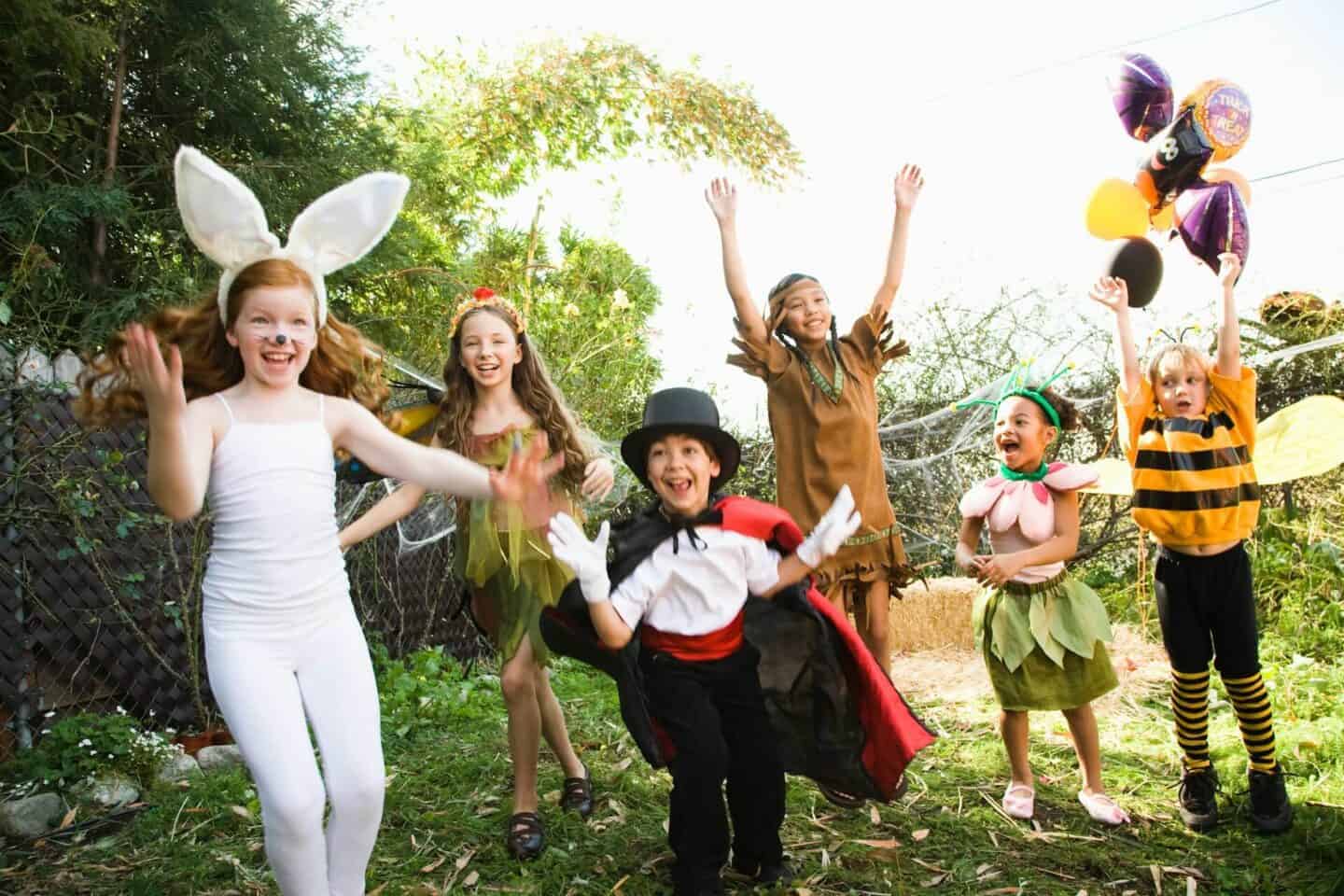
When kids engage in imaginative play, they are actively learning about the world around them. It allows them to experiment with different roles and scenarios in a safe environment. By encouraging this creativity at home, we are helping them build confidence and skills that will last a lifetime.
The Developmental Benefits of Dress-Up
Many of us see dress-up clothes as just a pile of messy fabric, but for kids, they are tools for learning. When a child puts on a costume, they are stepping into a character’s shoes. This simple act helps them process complex emotions and social situations they encounter in real life.
It also fosters a sense of independence and self-worth. They get to be the decision-makers in their imaginary worlds, which is a powerful feeling for a little one. Giving them the freedom to lead the story builds their self-esteem and encourages them to trust their own ideas.
Boosting Cognitive Skills
Imaginative play is a serious workout for a developing brain. It requires a child to recall stories they have heard and adapt them into new narratives. This mental flexibility helps improve their memory and their ability to plan out sequences of events.
Furthermore, it encourages abstract thinking. A simple cardboard box becomes a race car or a castle, requiring the child to use symbolism. This ability to let one object stand in for another is a foundational skill for later literacy and numeracy learning.
Problem Solving in Action
During play, children constantly encounter imaginary problems they must solve. The “lava” on the floor might require them to build a bridge, or a sick creative patient might need a specific “medicine.” Figuring these things out teaches them to think critically on their feet.
These low-stakes challenges allow them to practice resilience. If their first idea doesn’t work, they have to come up with a Plan B immediately. This trial-and-error process is excellent for developing logical reasoning and persistence.
Enhancing Emotional Intelligence
Role-playing allows children to explore feelings safely. They can act out being angry, sad, or scared without the real-world consequences. This helps them understand and regulate their own emotions better over time.
It also gives parents a peek into their child’s inner world. You can often tell what is worrying a child by observing the themes in their play. It opens a door for you to talk about these feelings later in a calm moment.
Developing Empathy
When children pretend to be someone else, they practice empathy. If they are playing the role of a parent soothing a crying baby doll, they are learning to nurture. They have to imagine what that other character needs and feels.
This skill translates directly to their interactions with friends and siblings. A child who practices kindness in play is more likely to show kindness on the playground. It plants the seeds for strong, compassionate relationships in the future.
Building the Perfect Costume Collection
You do not need to spend a fortune to create a wonderful dress-up box. The best collections are often a mix of store-bought items and household treasures. The goal is to provide enough variety to spark ideas without overwhelming the play space.
I try to focus on items that are easy for kids to put on themselves. Capes, vests, and hats are perfect because they don’t have tricky zippers. This promotes independence and keeps the frustration levels low during playtime.

Essential Headwear and Props
Hats are fantastic because they instantly define a character. A firefighter helmet or a crown can transform a child in seconds. I always keep a few versatile options in the bin that can work for multiple stories.
For example, a classic purple witch hat can be used for a spooky story, a magical wizard adventure, or even a fairy tale. Simple, iconic items like this are staples because they are durable and immediately recognizable to children of all ages.
Safety and Comfort
When choosing accessories, comfort must be the priority. If an item is itchy or too tight, it will end up at the bottom of the pile. Look for soft fabrics and adjustable straps that can grow with your child.
Safety is also a major consideration, especially for younger kids. Avoid items with long strings that could be a choking hazard. Stick to foam swords and soft wands rather than hard plastic ones to prevent accidental bumps and bruises.
Versatile Fabric Scraps
Some of the most used items in our house aren’t “costumes” at all. Large pieces of colored fabric can become anything a child imagines. A blue sheet is the ocean, a green scarf is a vine, and a red towel is a superhero cape.
These open-ended items force children to use their creativity. They have to verbally explain what the item represents, which boosts their communication skills. It keeps the play dynamic and ever-changing.
Encouraging Creative Use
I love watching my kids argue over who gets the “magic cloak” (which is actually just an old curtain). It shows that the value of the toy is entirely in their imagination. We should encourage this by praising their inventive uses of ordinary objects.
You can ask them questions like, “What does that cloth do?” to prompt further storytelling. It validates their ideas and makes the game more immersive. It turns a simple piece of material into a central plot point.
Creating an Inviting Play Space
Having a designated area for dress-up helps keep the chaos manageable. It doesn’t need to be a whole room; a corner of the bedroom or playroom works fine. The key is making it accessible so they can start playing whenever inspiration strikes.
An organized space also teaches them about responsibility. If they know where everything goes, they are more likely to help with cleanup. We want to make the process of tidying up as easy as the process of getting the toys out.
Storage Solutions
Open bins or baskets are often better than deep toy chests. When kids can see the colorful fabrics, they are drawn to them. I use shallow storage containers that slide under the bed or stack neatly in a corner.
Hooks are another game-changer for organization. Hanging up capes and hats prevents them from getting wrinkled or crushed. It also makes it easy for little hands to grab exactly what they need without dumping out the whole box.
Labeling for Success
To help with cleanup, I use picture labels on our bins. One bin might have a picture of a mask, and another a picture of a shoe. This helps even pre-readers know exactly where to put their things.
It turns cleanup into a matching game rather than a chore. You can challenge them to see how fast they can sort the items into the correct bins. It builds a good habit of caring for their belongings.
Setting the Stage
A little bit of “scenery” can make dress-up play even more fun. You don’t need to paint a mural; a simple mirror is a powerful tool. Kids love watching themselves transform into their characters in the mirror.
You can also use a pop-up tent or a blanket draped over chairs to create a “base.” This gives them a secret hideout for their characters. It defines the play zone and adds an element of mystery to their games.
Simple Backdrops
If you want to get crafty, you can paint a large piece of cardboard to serve as a background. One side could be a forest, and the other a city. It is a fun weekend project to do together.
This doesn’t have to be permanent. Even leaning a large pillow against the wall can serve as a “throne.” The idea is to provide just enough structure to let their imaginations fill in the rest.
DIY Costume Projects to Try
Making costumes together is a fantastic bonding activity. It teaches kids that they can create what they need rather than just buying it. Plus, DIY costumes are often unique and much more cherished than store-bought ones.
You don’t need to be an expert at sewing to make great costumes. Many projects can be done with glue, staples, or simple knots. It is about the process of making it as much as the final result.
Upcycling Old Clothes
Before donating old adult clothes, check if they can be used for dress-up. An oversized white shirt makes a perfect doctor’s coat or artist’s smock. You can use fabric markers to draw on buttons, pockets, or badges.
Old ties, scarves, and costume jewelry are also great additions. Just make sure to remove any small parts that could come loose. These “real” adult items make kids feel grown-up and important.
No-Sew T-Shirt Capes
You can turn an old t-shirt into a superhero cape with just a pair of scissors. Cut off the sleeves and the sides, leaving the neckband intact. It is a quick and free project that yields hours of fun.
Let the kids decorate their new capes with fabric stickers or paint. They can design their own superhero logos. It gives them a sense of ownership and pride in their new outfit.
Cardboard Box Creations
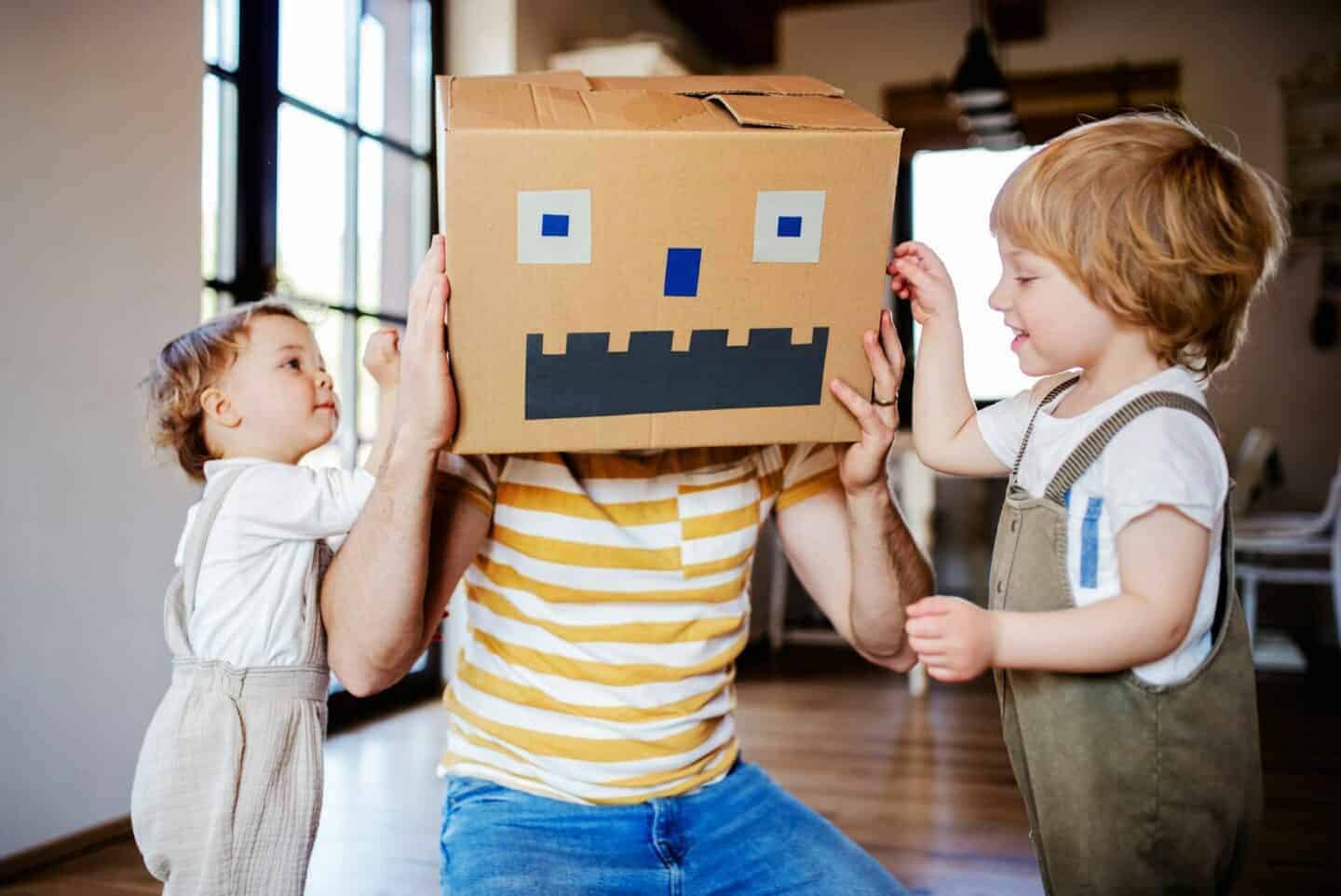
Never underestimate the power of a cardboard box. With some scissors and paint, a box can become a robot suit, a shield, or a pair of butterfly wings. We save our delivery boxes specifically for these rainy-day projects.
It teaches resourcefulness and recycling. Instead of seeing trash, they see potential. It encourages them to look at everyday objects with a creative eye.
Painting and Decorating
Set up a painting station and let them go wild on their cardboard creations. Whether they want silver armor or rainbow wings, let them decide. The mess is worth the creative expression it fosters.
Once the paint is dry, you can add details like glitter or foil. These custom props will likely become the favorites in the dress-up box. They have a story behind them before the play even begins.
The Role of Parents in Play
While independent play is important, your involvement can be very beneficial. You don’t need to take over the game; just being a supporting character can mean the world to them. It validates their play as something important.
It is also a great way to bond and relieve stress. Stepping into a silly role allows you to be playful and present. It creates happy memories that you both will cherish.
Supporting the Narrative
If your child is stuck, you can ask open-ended questions to move the story along. “Where is the spaceship going?” or “What will the princess eat for dinner?” This prompts them to think without taking control away from them.
You can also introduce new challenges if the game gets stale. Suggesting a “storm” or a “lost puppy” can reinvigorate the plot. It teaches them to adapt and keep the story moving.
Knowing When to Step Back
It is equally important to know when to withdraw. Once they are fully immersed and playing happily, you can quietly fade into the background. This allows them to enter a “flow” state of deep play.
Observe from a distance and enjoy their creativity. You will be amazed at the dialogue and scenarios they come up with on their own. It is a glimpse into their growing understanding of the world.
Hosting Playdates
Dress-up is a wonderful activity for playdates because it bridges age gaps. Older and younger children can play together in a shared world. It encourages cooperation and negotiation as they decide on roles.
To make it smoother, have enough props for everyone. You don’t need identical costumes, just enough generic items like capes and hats. This prevents fighting and ensures everyone feels included.
Theme Ideas
To give a playdate some structure, you can suggest a broad theme. “Under the Sea” or “Space Explorers” gives them a starting point. You can even provide a simple snack that matches the theme.
This shared mission helps children who might be shy to get involved. Once they have a role to play, they often feel more comfortable interacting. It is a great social icebreaker for new friends.
Conclusion
Building a dress-up box is about more than just collecting toys; it is about creating a space for imagination to thrive. Through role-play, children develop vital social, emotional, and cognitive skills that prepare them for the real world. It is a safe harbor where they can be brave, kind, and adventurous.
So, take a look around your home for potential treasures and start curating your collection today. Whether it is a handmade shield or a shiny crown, these items are keys to a magical world. Enjoy the journey of watching your children grow, learn, and play.