
Building a wardrobe for babies and toddlers can quickly become overwhelming. Between growth spurts, changing seasons and endless adorable options in stores, it is easy to end up with drawers full of clothes that barely get worn. A practical wardrobe focuses on comfort, versatility and everyday convenience while still allowing little ones to look stylish.
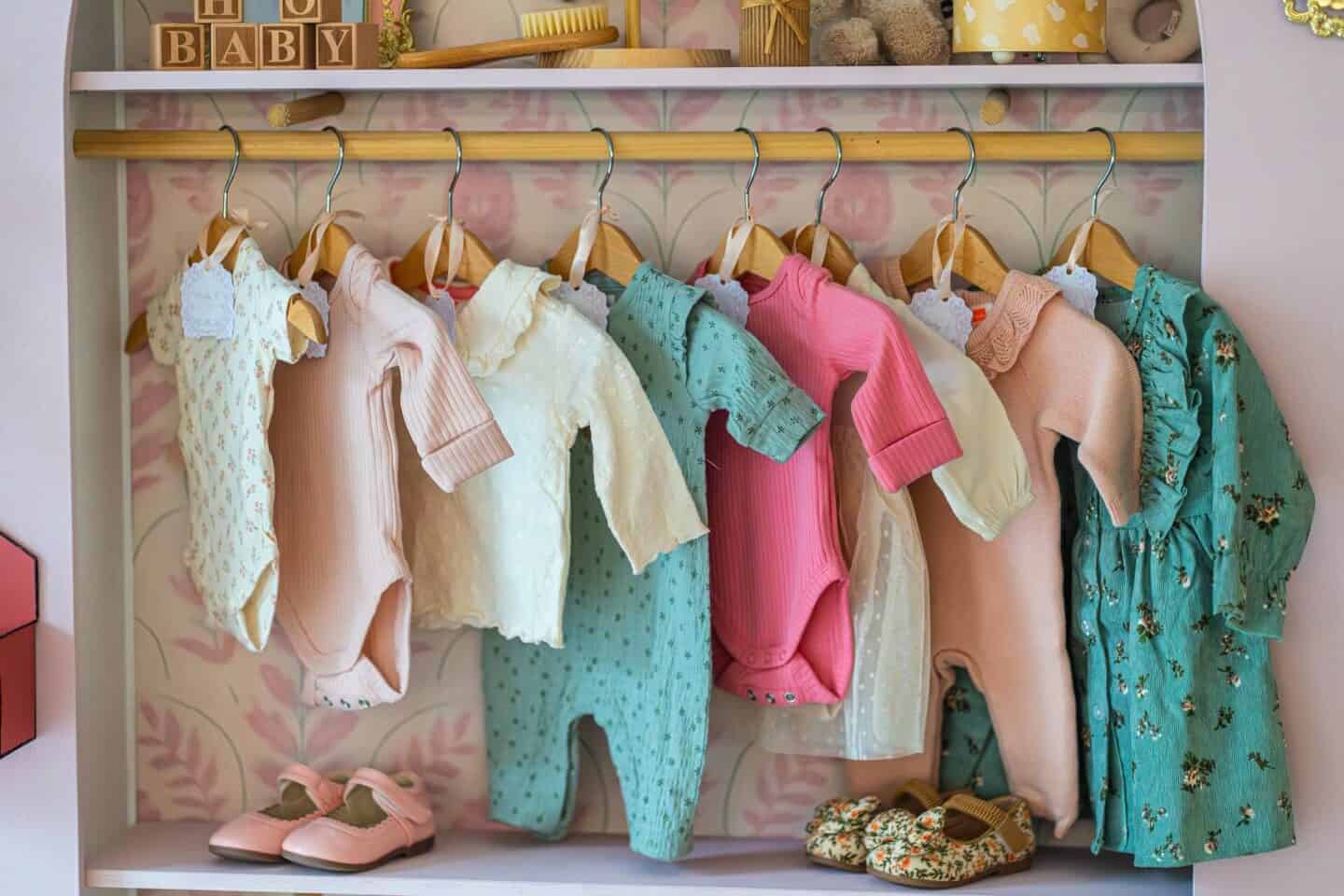
The key is choosing pieces that make daily life easier for both parents and children.
Focus on Comfort First
Babies and toddlers spend their days crawling, climbing, running and exploring. Their clothing needs to support movement rather than restrict it. Soft fabrics like cotton are ideal because they are breathable, gentle on sensitive skin and easy to wash.
Avoid items with stiff materials, scratchy tags or complicated fastenings. Elastic waistbands, stretchy necklines and relaxed fits make dressing simpler and help children stay comfortable throughout the day.
Comfort also means considering the weather. Lightweight layers work well because they can easily be added or removed as temperatures change.
Stick to Everyday Essentials
A practical wardrobe starts with reliable basics. Instead of buying lots of statement outfits that may only be worn once, focus on pieces that can be mixed and matched easily.
Some useful staples include:
- Neutral leggings or joggers
- Simple bodysuits and vests
- Cosy sweaters and hoodies
- Comfortable pyjamas
- Weather-appropriate jackets
- Durable shoes for active play
Tops are especially important because they tend to need changing more frequently throughout the day. Investing in comfortable and versatile toddler tops can make outfit planning much easier while still giving children plenty of variety.
When basics work together, you can create multiple outfits without needing a huge amount of clothing.
Choose Easy-To-Clean Fabrics
Life with small children is messy. Food spills, muddy puddles, paint and unexpected accidents are all part of the experience. Practical clothing should be able to handle regular washing without losing shape or softness.
Machine-washable fabrics save time and reduce stress. Darker colours and patterned items can also help disguise stains between washes. While special occasion outfits may require delicate care, everyday clothing should be durable enough to survive repeated use.
It is also helpful to avoid clothes that wrinkle easily or require ironing. Simplicity matters when you already have a busy schedule.
Buy for Growth
Babies and toddlers grow incredibly fast, which means clothing sizes can change within months or even weeks. Buying too many items in one exact size often leads to unworn clothes.
Instead, try to build a wardrobe gradually. Purchasing a few slightly larger items allows room for growth and can extend how long each piece lasts. Adjustable waistbands, oversized sweaters and flexible fabrics are especially useful for this reason.
It is also worth storing quality hand-me-downs when possible. Many baby and toddler clothes are barely worn before they are outgrown, making them perfect for siblings or future use.
Keep Seasonal Layers Simple
Layering is one of the easiest ways to create a practical wardrobe. Rather than filling closets with bulky seasonal outfits, choose lightweight pieces that work together throughout the year.
For example, a simple T-shirt can be paired with a cardigan in spring, worn alone in summer, or layered under a coat in winter. This approach reduces clutter and makes it easier to transition between seasons without constantly replacing everything.
Accessories like hats, socks and lightweight blankets can also help adapt outfits to changing temperatures.
Prioritise Function Over Trends
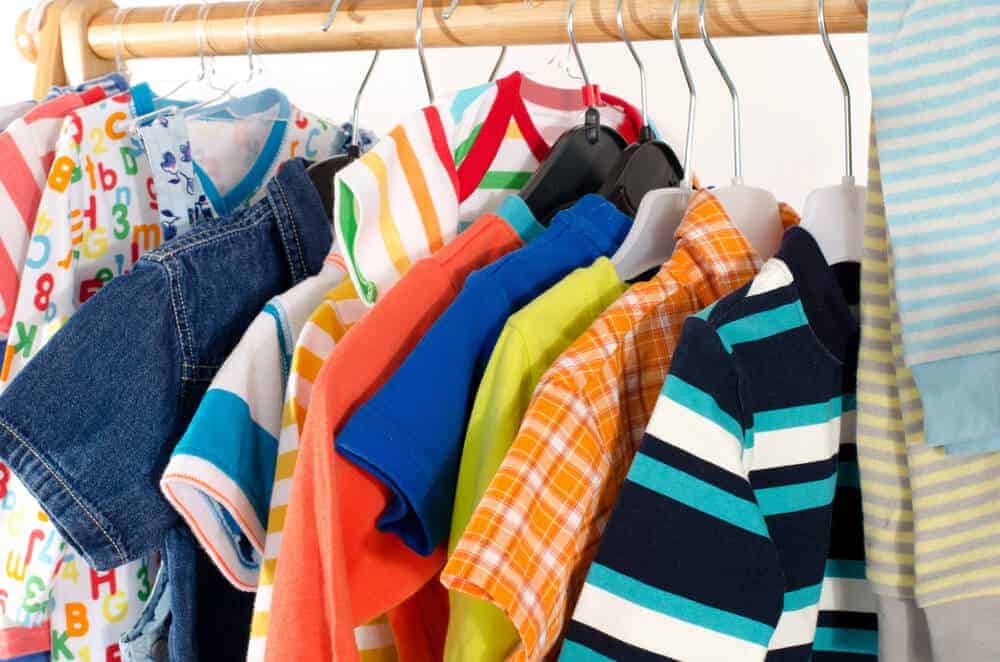
Children’s fashion trends change constantly, but practicality should always come first. While it is fun to include a few trendy pieces, most of a child’s wardrobe should focus on functionality.
Ask yourself a few simple questions before buying:
- Can my child move comfortably in it?
- Is it easy to wash?
- Will it match other items already owned?
- Is it suitable for everyday activities?
If the answer is yes, it is likely a worthwhile addition.
A practical wardrobe does not need to be large or expensive. By choosing comfortable basics, durable fabrics and versatile layers, parents can create a collection of clothes that keeps babies and toddlers comfortable, stylish and ready for whatever the day brings.