
As a parent, preparing your children for outdoor activities is essential to ensure their comfort, safety, and enjoyment. Making sure that they are dressed appropriately can significantly impact their experience outdoors, especially when it comes to weather conditions and the type of activity being engaged in. In this article, we will delve into the best practices for layering your kids’ clothing, as well as specific considerations based on weather and activity requirements. Lastly, we discuss the importance of accessories such as hats, gloves, and proper footwear in keeping your little ones protected and comfortable outdoors.

The Perfect Layered Clothing Approach
Dressing your kids according to a layering system is an effective method to keep them warm and dry during outdoor activities. This system consists of three primary layers: a base layer to wick sweat away from the skin, a middle insulating layer for warmth, and an outer waterproof layer for protection against rain or snow.
The first step in adequately dressing your child for outdoor activities is choosing the right base layer. This layer should be made of a moisture-wicking fabric that keeps sweat away from the skin. Merino wool, bamboo, or high-quality synthetic fibers like polyester or polypropylene are ideal materials for a base layer, which usually includes long-sleeve shirts and tights or leggings. Cotton should be avoided, as it retains moisture and can leave your child feeling wet and cold. The idea is to provide a breathable barrier between their body and the subsequent layers. Coincidentally, the right selection of clothes for babies plays a crucial role in ensuring their comfort.
The middle layer serves as insulation, trapping heat generated by your child’s body to maintain their core temperature. Materials like fleece, down, or synthetic fibers are perfect for this task because they provide warmth while being lightweight and breathable. Puffy insulated jackets or vests, sweaters, and fleece pants can be utilized as the middle insulating layer. It’s crucial to choose a thickness of outer clothing that is suitable for the weather conditions; you may also consider using multiple thinner layers rather than one thick piece. This approach will allow for better regulation of body temperature when it starts getting too hot.
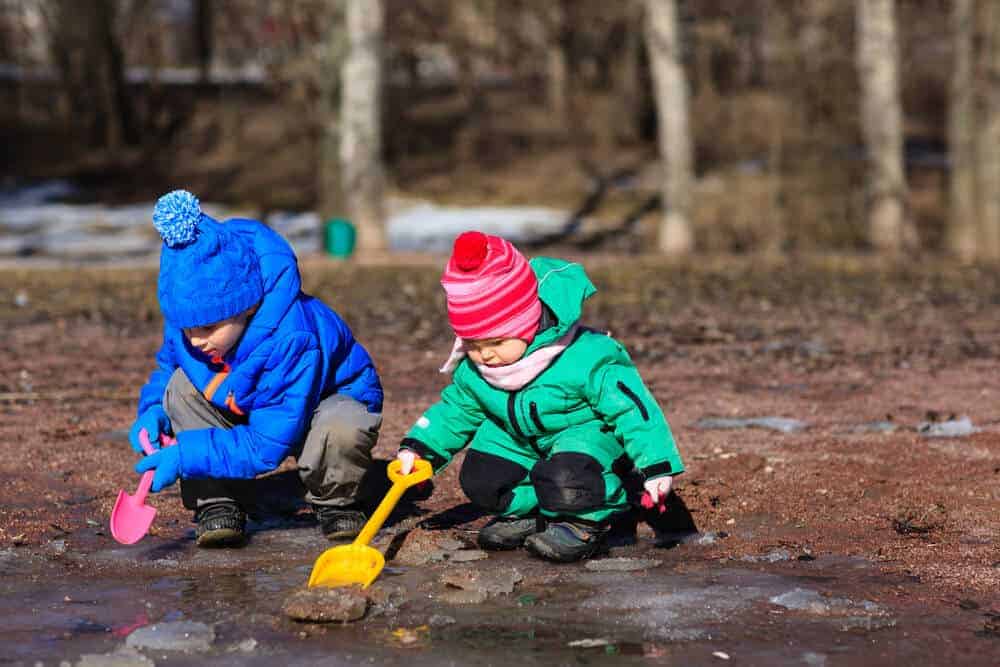
Considering Weather & Activity Requirements
When dressing your kids for outdoor adventures, it’s vital to factor in the specific needs based on the weather conditions and the activity type. Always check the local forecast before heading out, as temperatures, wind chill, and precipitation predictions play a considerable role in dressing appropriately.
In colder climates, it’s essential to keep your child’s body heat intact. Layering is critical as it allows you to add or remove individual layers based on the changing weather and activity level. Remember that a thicker insulating middle layer will be required in extreme cold, but can always be adjusted if they become too warm during an activity.
In wet and windy situations, ensuring your child is entirely encased by their waterproof outer layer is crucial. Sealed seams, neck gaiters, and adjustable hoods are all must-haves when trying to protect against wind-driven rain or snow. Also, consider arming your child with additional waterproof or quick-drying accessories such as hats and gloves to keep them comfortable and dry throughout their outdoor adventure.