
Does your living room feel a little tired, even though there’s nothing particularly wrong with your furniture? Perhaps the sofa is still comfortable, the coffee table is perfectly functional, and the storage units have years of use left in them. Yet something about the room no longer feels quite right.
It’s tempting to start browsing furniture shops, but replacing everything can be expensive and unnecessary. Often, it’s the smaller details, such as lighting, furniture placement, and soft furnishings, that make the biggest difference.
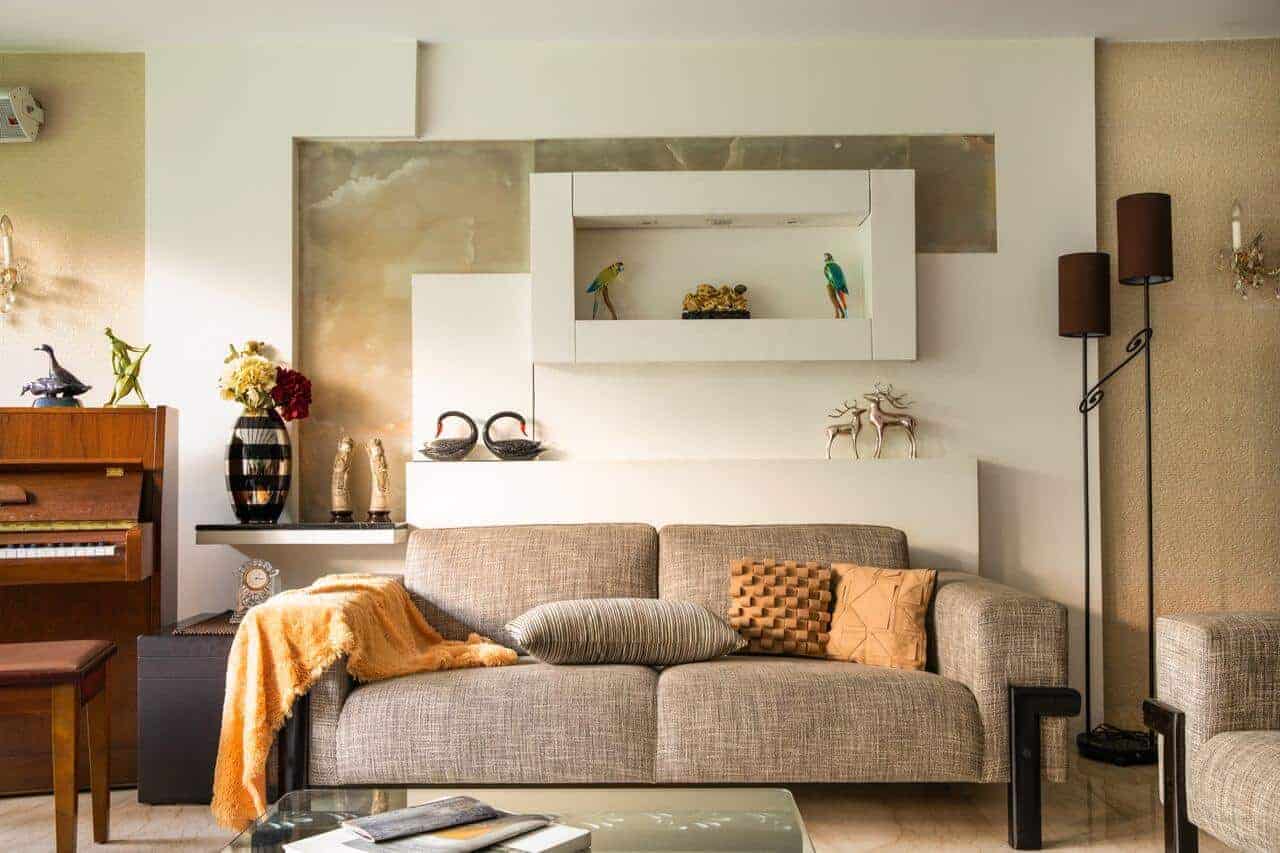
With a little creativity and a sensible budget, you can give your living room a fresh appearance while keeping the furniture you already own.
Start by Rethinking Your Furniture Layout
Before spending anything, consider whether your furniture is arranged in the best possible way. It’s easy to leave sofas and armchairs in the same positions for years, even when the layout isn’t particularly practical. Try moving your sofa away from the wall, repositioning an armchair near a window, or creating a more sociable seating arrangement.
Think about how your family uses the space. If the living room doubles as a play area, leave enough floor space for children to move around comfortably. Avoid blocking doorways or natural walking routes with bulky furniture. Even a small adjustment can make the room feel more balanced without costing a penny.
Give Your Flooring a Fresh Look
Flooring has a considerable influence on how a living room looks and feels. A worn or poorly positioned rug can make the space appear unfinished, even when the furniture is in good condition.
Start by thoroughly cleaning your existing flooring. If you already have a rug, consider moving it or rotating it to distribute wear more evenly. If your rug no longer suits the room, replacing it is generally more affordable than purchasing a new sofa or flooring. When shopping on a budget, it’s worth checking sale collections from retailers such as Double Studio, which offers discounted rugs in various colours, materials, and sizes.
Pay attention to proportions before purchasing. Ideally, your rug should help connect the main seating furniture rather than appearing isolated in the centre of the room. For family homes, consider how easily the material can be cleaned. Always check the manufacturer’s care instructions before buying.
Change Your Colour Scheme Through Accessories
You don’t need to repaint every wall to introduce a different colour scheme. Cushions, throws, curtains, and decorative accessories can change the character of a room without requiring a major investment.
If your furniture is neutral, experiment with earthy greens, warm terracotta, or soft blues. Rather than introducing several competing colours, choose two or three complementary shades and repeat them throughout the room. For example, a green cushion might complement botanical artwork or a ceramic vase in a similar tone.
Before buying anything, check whether accessories from other rooms could work in your living room. Sometimes, simply swapping cushions or moving a decorative piece can provide the change you’re looking for.
Update Your Lighting for a Cosier Atmosphere
Lighting can completely change how a room feels, particularly during darker evenings. A single bright ceiling light might be practical, but it doesn’t always create the warm, comfortable atmosphere you want when relaxing.
Try introducing different light sources, such as a table lamp beside the sofa or a floor lamp near your favourite reading chair. Consider warm-white bulbs for softer evening lighting, while keeping brighter task lighting where it’s needed.
Energy efficiency is worth considering, too. According to ENERGY STAR (2014), certified LED bulbs use approximately 75% less energy than traditional incandescent bulbs and can last significantly longer. This makes updating older bulbs a practical improvement that may also reduce electricity consumption.
Refresh Existing Furniture Instead of Replacing It
Before replacing a tired-looking piece of furniture, ask whether it could benefit from a little attention. Wooden side tables might look better after cleaning and refinishing, while an old armchair could benefit from professional upholstery cleaning.
Changing handles on suitable cabinets is another inexpensive way to update their appearance. For painted furniture, proper preparation matters. Clean surfaces thoroughly, select a compatible finish, and follow the manufacturer’s instructions.
The Environmental Protection Agency (EPA, n.d.) recommends adequate ventilation during decorating projects involving paints and finishes. Keep children away from work areas until products have dried or cured according to their instructions. A little maintenance can help you appreciate furniture that still has plenty of life left.
Make Better Use of Storage
Even the most attractive living room can feel cluttered when toys, books, remote controls, and everyday belongings have nowhere to go.
Before purchasing additional storage furniture, look at how you’re using what you already have.
Could a drawer be reorganised? Would a few baskets make existing shelves more useful?
Give frequently used belongings designated places so they’re easier to put away. For families with young children, accessibility and safety are particularly important. The U.S. Consumer Product Safety Commission (CPSC, n.d.) advises families to “Anchor and Protect!” by securing furniture and televisions against tip-over hazards.
Make sure tall cabinets and shelving units are appropriately anchored, and avoid storing tempting toys on high surfaces.
Bring Personality Into the Room
A living room shouldn’t feel like a furniture showroom. It should reflect the people who spend time there. Family photographs, children’s artwork, favourite books, and meaningful objects can make a space feel more personal.
Instead of buying expensive wall art, consider framing a few favourite photographs or creating a small gallery wall. Mix different frame sizes while keeping a consistent colour or finish to give the arrangement some structure.
Houseplants can also introduce colour and texture, although it’s important to check whether particular varieties are safe for children and pets.
Avoid filling every surface with decorations. A few carefully chosen pieces often have more impact than numerous small accessories competing for attention.
Set a Budget and Prioritise What Matters
One of the easiest ways to overspend on a living room refresh is to make several impulse purchases without a clear plan. Before shopping, identify what bothers you most about the space.
Perhaps it feels too dark, lacks storage, or needs softer furnishings. Set a realistic budget and tackle the most noticeable problems first. Second-hand shops, charity shops, online marketplaces, and seasonal sales can offer affordable options.
However, a discount doesn’t automatically make something good value. Check measurements, materials, condition, and maintenance requirements before committing.
Spend money where it will improve the room’s appearance or everyday usefulness rather than purchasing accessories simply because they’re inexpensive.
Conclusion
Refreshing your living room doesn’t have to involve replacing perfectly good furniture or committing to an expensive renovation.
Rearranging your existing pieces, improving lighting, introducing different textures, and organising everyday belongings can make the space feel surprisingly different.
The trick is to work with what you already have and make thoughtful changes that suit your family’s lifestyle.
Start with one or two manageable improvements and see how the room feels before spending more. After all, the best living room isn’t necessarily the one with the newest furniture. It’s the one that feels comfortable, welcoming, and right for the people who use it.
References
ENERGY STAR. (2014, April 24). U.S. retailers sell millions of ENERGY STAR LED bulbs as challenge ramps up. U.S. Environmental Protection Agency.
U.S. Consumer Product Safety Commission. (n.d.). AnchorIt.gov.
U.S. Environmental Protection Agency. (n.d.). Best practices for indoor air quality when remodeling your home.