
Hanging artwork is a superb way to bring colour, personality, and interest to your home. There are endless amounts of art to choose from to suit every budget and interior style. If you are creative enough, you can create artwork on your own.
For instance, you can create something from a resin mould that’s safe to use at home. Use paints to create a stunning variety of art that can be placed in different places around the house. Consider making them in a way that matches your home’s aesthetic.
However, there are different factors to consider for displaying art in each room of the house. To ensure every piece you select is used to its full potential, it should reflect the room’s function and aesthetic.
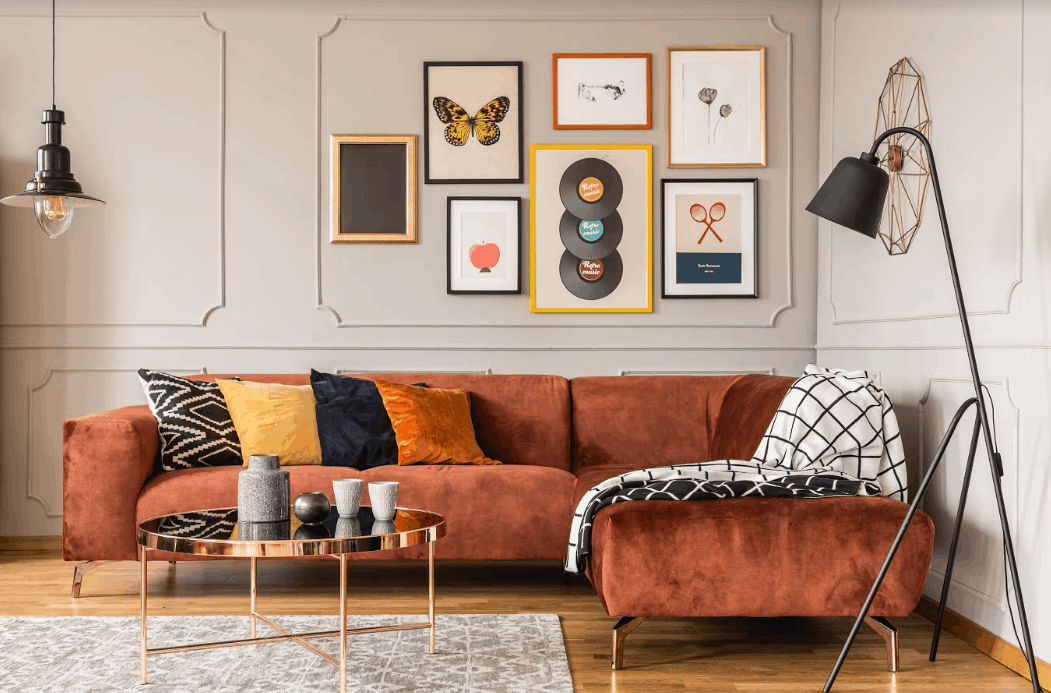
Living room
Living rooms are often the most-used area of homes, making it a great place for a striking gallery wall. Depending on the space available and your home aesthetic, you can curate an asymmetrical arrangement from floor-to-ceiling or a uniformed grid of artwork.
Grouping the chosen artwork with a theme will prevent them from looking out of place, but this doesn’t mean you have to be confined by one topic if you want to showcase several of your interests. Instead, you could choose a recurring colour palette, which may match the room’s colour scheme too.
To create an eclectic visual, use different art mediums within your display. The online art gallery, Bleur Art, has a diverse range of original art for sale, such as embroidered illustrations, charcoal drawings, and spray paint art, from various independent artists.
Bedroom
The interior design of a bedroom, including any featured wall art, should aid the purpose of sleep and respite. Choosing art with soothing colours incorporated, for instance, duck egg blue and blush pink, can evoke calming emotions.
You can also bring nature indoors with scenic photographs or paintings of gorgeous views to induce relaxation. Alternatively, typography prints of phrases like ‘sweet dreams’ or ‘my happy place’ can encourage contentment.
If you are hanging art above your bed, securely fasten it to the wall to avoid any accidents occurring during the middle of the night. You don’t want your artwork damaged and of course yourselves! To protect the artwork look into Art Galleries Insurance for peace of mind. Some collections cannot be replaced and damage to them could be costly.
Bathroom
Similar to bedrooms, bathrooms should ooze tranquillity. To distinguish both rooms’ visual, you could opt for artwork with an ocean or beach theme for this space.
Due to the condensation and humidity that usually occurs in bathrooms, avoid paper and other vulnerable art materials. Framing the artwork and using mounts will protect the painting from damage. Metal frames with acrylic glazing can further prevent mould build-up.
Kitchen
Kitchens aren’t typically associated with art displays, but they should be. It’s a space everyone spends a lot of time in, and artwork can help you feel inspired when cooking up a storm too.
To create a cosy café-like atmosphere, look for artwork with a kitchen theme, for example, retro food adverts or playful typography prints with quotes such as ‘what’s for tea?’ and ‘But first, coffee.’
Avoid placing artwork above kettles because of the steam and near the oven as this could be a fire hazard. Frame all art to protect it from the humidity created in this room.
Dining room
As this area of the home is often used for entertaining guests, you can use artwork to enhance the atmosphere. Abstract paintings with a distinctive look will instantly grab your guests’ attention while exhibiting souvenir posters from a trip will be a conversation starter. The best dining artwork will reflect your aesthetic and style while complimenting the space’s décor. You could even add a neon sign to your display to create a lively ambiance.
When choosing art for your dining room, avoid getting anything controversial, as it’s a social environment. It includes dead animals or intimate art. You can go for landscapes of still life and art featuring food, as these make a great fit while still telling a story.
If your dining room isn’t closed off, go for paintings that complement each other. This way, they won’t be competing for attention which might be overwhelming. You can combine different elements, such as color, to make things more cohesive.
Besides the flow, consider keeping your art in scale with the size of the room. If you have a big dining room, get a large statement piece. You can also opt for a gallery wall, as it’ll add interest to your décor. You can use your gallery wall to portray a story about a place.
Home office
Hanging artwork in your home workspace can help you stay productive. You can add pieces that inspire you and provoke creativity or showcase prints of motivational quotes. Including pops of energising colours like yellow and orange can also boost concentration.
Although choosing art shouldn’t be regimented and restrictive, considering each room’s requirements and purpose will ensure the artwork is protected from damage and showcased in its full glory.
*This is a collaborative post