
There’s a specific kind of living room that a lot of people know well: good bones, a decent layout, but somehow it still feels a little tired. Maybe the furniture was bought years ago for a different apartment, or maybe it just doesn’t reflect how you actually live anymore. The good news is you don’t need a full renovation to fix that. Sometimes a handful of well-chosen modern pieces is enough to completely shift how a room feels.
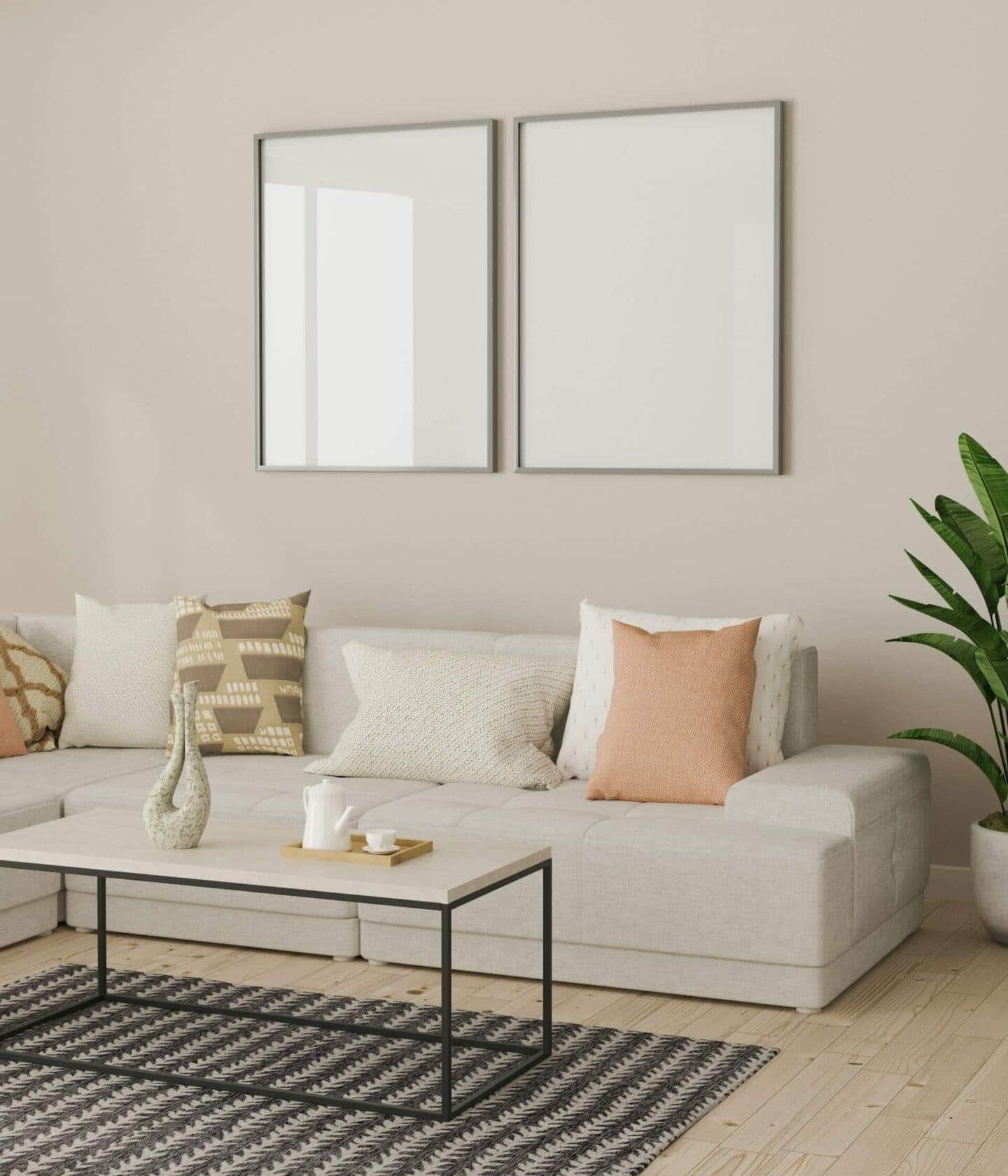
The good news is that refreshing a room doesn’t require an all-or-nothing approach. Small, deliberate swaps often create more visual impact than people expect, especially when the existing layout already works reasonably well.
For homeowners in Seattle, modern furniture can be a practical way to refresh a living room without a major remodel. Here’s how modern furniture specifically helps update your space, and where to focus your energy if you’re working with a limited budget or timeline.
1. Clean Lines Instantly Make a Room Feel Larger
Bulky, ornate furniture tends to visually shrink a room, even if the actual square footage hasn’t changed. Modern furniture favors simpler silhouettes and lower profiles, which naturally open up sightlines and make a space breathe better. Swapping out one oversized piece, like a heavy armchair or an overly deep sofa, for something with cleaner lines can make a noticeable difference without touching anything else in the room.
This effect is especially noticeable in older homes with lower ceilings or narrower layouts, where oversized furniture can make a room feel cramped almost immediately upon walking in.
2. Neutral Palettes Create a Calmer Visual Base
Modern design tends to lean on neutral tones as a foundation, letting texture and a few accent pieces do the visual work instead of busy patterns competing for attention. This doesn’t mean your living room has to feel sterile. It means the loud, expressive choices, like a bold rug or an accent chair, actually get to stand out instead of getting lost in visual noise.
According to a recent Houzz and Forbes report on home renovation trends, rugs and pillows were among the most commonly purchased items by homeowners updating a room, ranking ahead of larger furniture purchases. That tells you something useful: sometimes it’s the smaller layered details, not a full furniture overhaul, that make the biggest visible difference in a space.
3. Multi-Functional Pieces Solve Real Space Problems
Modern furniture design has leaned hard into multi-functionality lately, think storage ottomans, extendable coffee tables, and modular sectionals that can be rearranged as your needs change. This matters a lot in smaller living rooms where every piece needs to earn its space. Homeowners exploring a modern furniture store Seattle residents frequently visit often discover that a single well-designed multifunctional piece solves problems that used to require two or three separate items.
DIGS frequently highlights this exact approach with customers, since a living room doesn’t need more furniture, it usually needs smarter furniture. This is particularly useful for anyone working with an open-concept layout, where furniture often needs to serve more than one purpose depending on the time of day or occasion.
4. Statement Pieces Give a Room Personality
A fully matched furniture set can look polished, but it often lacks personality. Modern design tends to embrace one or two standout pieces, a sculptural lounge chair, an interesting coffee table, or a striking light fixture, paired with simpler supporting furniture around it.
This approach gives a room a clear focal point without requiring you to redesign the entire space from scratch.
5. Better Materials Age More Gracefully
Modern furniture often uses higher-quality materials like solid wood, quality leather, or performance fabrics designed to hold up over time. This matters more than people initially realize, since furniture that wears well continues looking intentional years later instead of dating quickly. Investing a bit more upfront in well-made pieces usually costs less over time than replacing cheaper furniture every couple of years.
It’s worth asking about warranty coverage and care instructions before buying, since even quality materials need proper maintenance to hold up as long as they’re designed to.
Final Thoughts
You don’t need to gut your living room to make it feel new again. A few thoughtful modern pieces, chosen with your actual space and lifestyle in mind, can shift the entire feel of a room without a massive budget or timeline. Start with the piece that bothers you most, and build outward from there rather than trying to change everything at once.
Visiting a showroom in person before committing to anything larger, like a sofa or sectional, is usually worth the extra step, since scale and texture are hard to judge from photos alone.
A living room refresh doesn’t need to happen all at once. Even spacing out changes over a few months can help you make more intentional choices instead of rushing into decisions you might second-guess later.