
The moment sneaks up on you. One day the room works just fine, and the next it feels like a costume your child has outgrown. The shelves are suddenly low. The artwork feels babyish. Even the bed seems to whisper that it is time to move on. Updating your toddler’s room into a big kid space is less about a dramatic overhaul and more about paying attention to who your child is becoming. The goal is not to rush childhood or erase its sweetness, but to make the room feel like it belongs to the person sleeping there now, not the version from two birthdays ago.
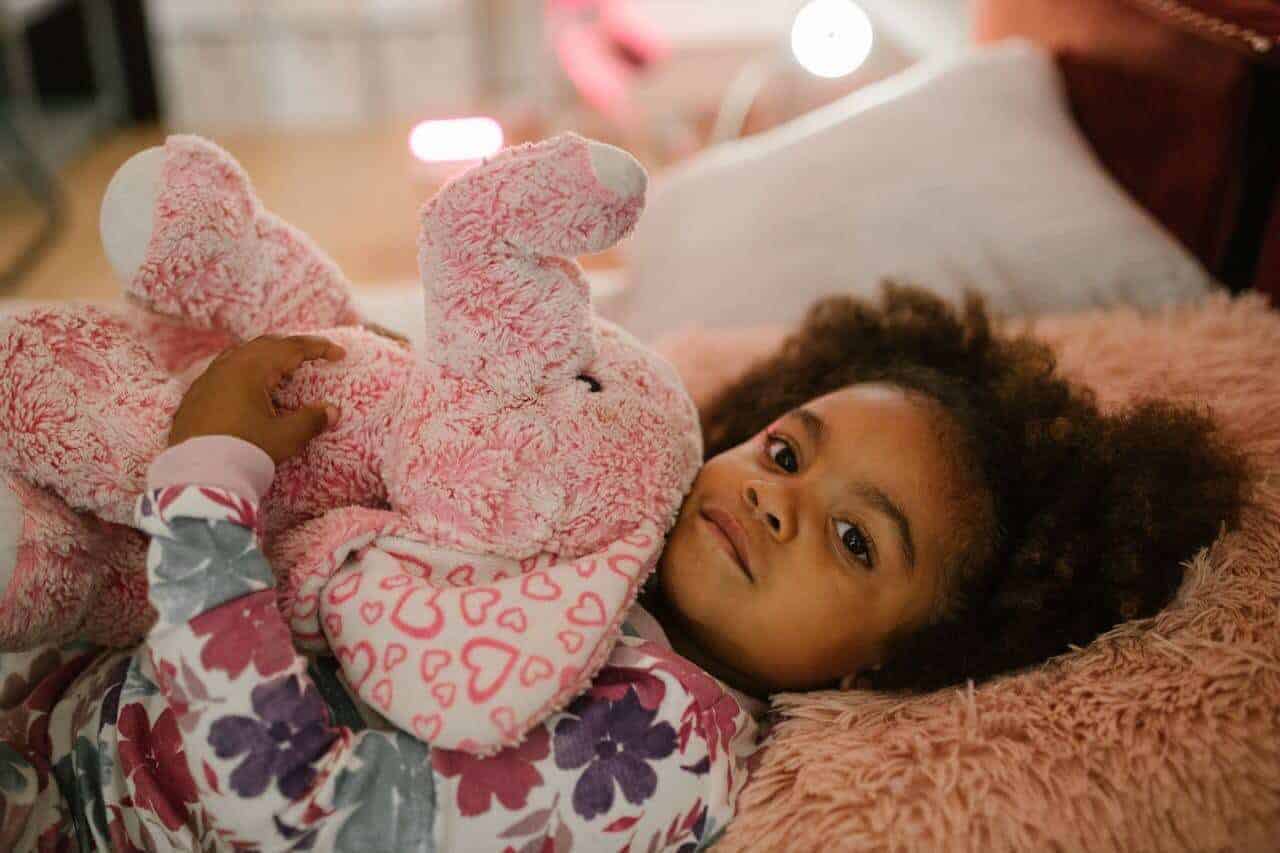
Photo by RDNE Stock project
This transition can be surprisingly emotional for parents, and oddly empowering for kids. It marks a shift toward independence, curiosity, and confidence. The trick is to make the room grow up without making it feel cold, intimidating, or like a showroom designed by adults who forgot what it feels like to be small.
Let the Room Reflect Who They Are Becoming
A big kid room should feel personal, not staged. This is the moment to start involving your child in small but meaningful decisions. Color choices, artwork, bedding themes, and even where furniture sits can become gentle ways for them to express preferences. You are not handing over the keys to a design free for all, but you are signaling that their opinions matter.
What works well is narrowing the field. Offer two paint colors instead of ten. Let them choose between framed art or a pinboard for drawings. When kids feel heard, they tend to take more pride in their space. That pride often shows up in better habits, from tidying up to spending quiet time reading or playing independently.
The room does not need to scream maturity. It just needs to stop talking down to them.
A Bed That Signals the Shift Without Feeling Overwhelming
The bed is often the emotional center of the upgrade. Moving from a crib or toddler bed to a twin mattress can feel enormous, both physically and symbolically. For kids, it can feel like a promotion. For parents, it can feel like a leap.
Grounding the transition with familiar textures helps. Keep favorite blankets, stuffed animals, or even the same sheets at first. A new bed frame or headboard can add structure without making the space feel too adult. Low profiles are still comforting, and guardrails can quietly stick around longer than you might expect without making the room look juvenile.
What matters most is that the bed feels safe and inviting. Sleep is not the place to force growth.
Small Updates That Make the Room Work Harder
You do not need to knock down walls or order custom furniture to make a toddler room function like a big kid space. Many of the most effective changes fall into the category of easy home fixes, the kind that quietly improve daily life without calling attention to themselves.
Swapping low bins for shelving that grows upward encourages organisation without making cleanup feel like a chore. Adding better lighting, especially for reading, shifts the room from play space to multi purpose retreat. Hooks at kid height for backpacks or pajamas introduce responsibility in a way that feels natural.
These adjustments support independence without turning the room into a checklist of expectations. The room starts working with your child instead of against them.
Storage That Grows With Them, Not Against Them
One of the biggest mistakes in big kid room updates is over correcting. Suddenly everything is hidden, labeled, and locked away, and the room loses its warmth. Storage should feel intuitive and flexible, not rigid.
Open shelves mixed with closed storage strike a good balance. Books, favorite toys, and display items stay visible, while clutter has somewhere to land out of sight. Furniture that can adapt, like dressers that later double as desks or storage benches that become reading nooks, buys you time as tastes and needs evolve.
The goal is not perfection. It is usable and does not need constant adult intervention.
Creating Space for Quiet, Not Just Play
As kids grow, they need space to decompress as much as they need space to move. A big kid room benefits from at least one area that feels calm and contained. This could be a reading corner, a small desk for drawing, or even a cozy rug with floor cushions.
This kind of space sends a subtle message that rest and focus matter too. It also gives kids ownership over how they spend time alone, which becomes more important as they get older. The room stops being just a place where things happen and becomes a place where they can think, imagine, and reset.
Updating your toddler’s room into a big kid space is not about rushing milestones or chasing trends. It is about creating an environment that respects who your child is right now while leaving room for who they are becoming. When the space feels supportive rather than performative, kids notice. They settle into it. They grow into it. And that quiet sense of belonging is what makes the transition feel right.