
A hailstorm can come and go in less than an hour, but the roof over your head may keep dealing with the effects long after the sky clears. That’s part of what makes roof damage frustrating. At first glance, everything can seem fine. Then weeks later, you notice a water stain, loose shingles, or granules collecting in the gutter.
In places like Chicago, where weather shifts quickly and storms can hit hard, homeowners often face another question after the damage itself: will the repair actually last?
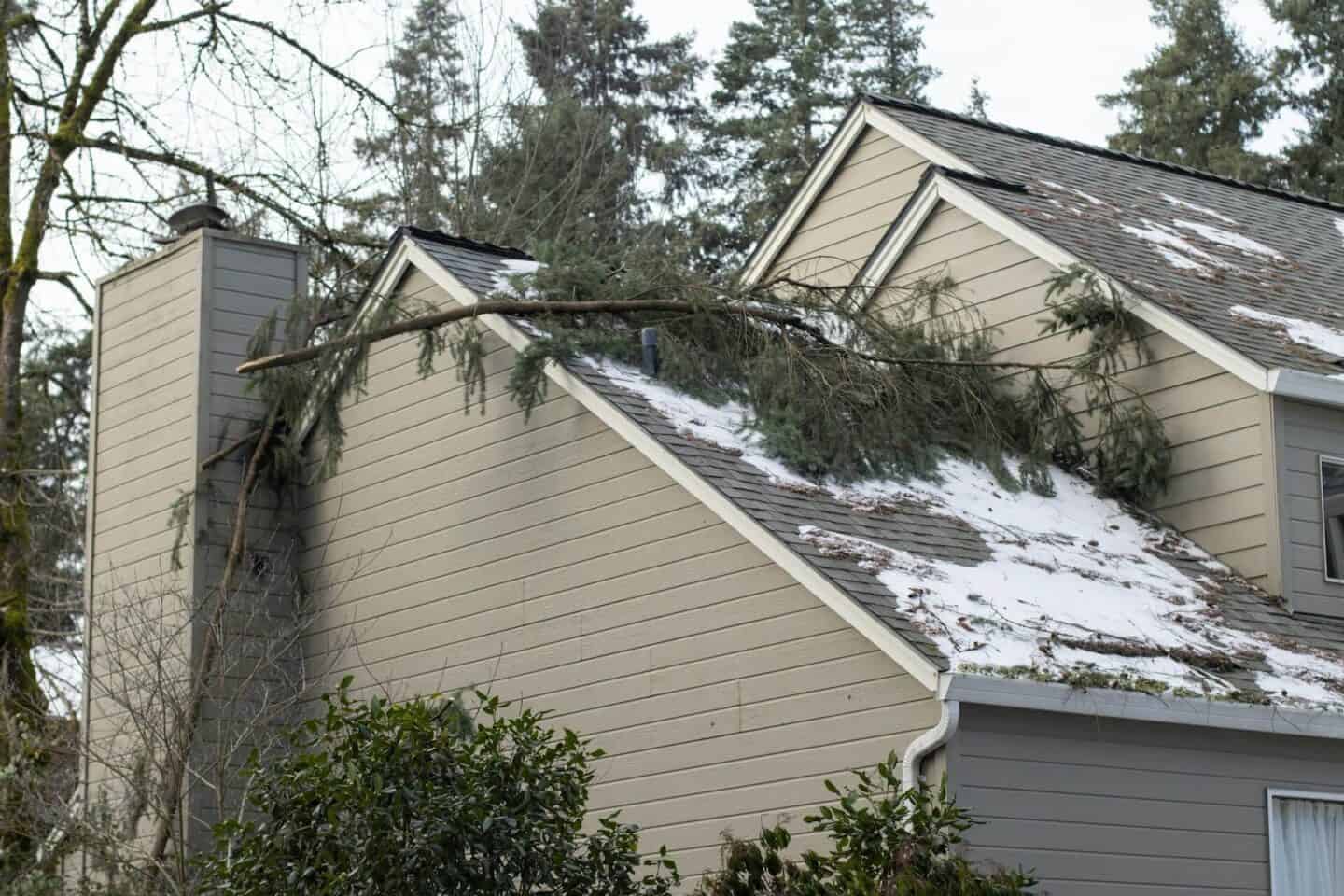
That answer depends on more than replacing what looks broken. Durability comes from a series of choices made during inspection, repair, and follow-up work. Here are five factors that often make the biggest difference.
1. The Damage Assessment Was Done Properly
One of the biggest reasons roof repairs fail is simple. The original damage was never fully identified. Hail damage is not always obvious. A roof can look normal from the ground while small impact points weaken shingles, loosen protective granules, or affect flashing around vents and edges. Some damage does not show signs until months later.
According to data from the Insurance Information Institute, wind and hail are the most common causes of homeowner insurance claims in the United States. That is why the first inspection matters so much. A durable repair starts with understanding what happened across the whole roofing system instead of focusing only on the most visible spot.
2. Repair Quality Matters More Than Repair Speed
After a storm, there is pressure to fix everything fast. That urgency makes sense, but speed alone does not create a stronger roof.
A repair that lasts usually involves matching materials properly, checking seal points, and making sure underlying layers have not been affected by impact. So before rushing to carry out hail damage roof repair Chicago, it’s worth understanding that durability depends less on replacing visible damage and more on identifying weaker areas that may fail after the next storm.
Organizations like Lakeland Exteriors & Roofing often explain that storm damage can include issues beneath the shingles and that documenting conditions early helps homeowners make better decisions about repairs. That approach also highlights the value of working through both visible and hidden damage before restoration begins. A roof repair should solve the problem, not pause it.
3. Material Choice Changes How Long Repairs Hold Up
Not all roofing materials respond to hail the same way. Age matters. Material quality matters too. Older shingles may already have wear before a storm ever arrives, which means repairs need to account for the surrounding roof condition.
Some homeowners focus only on replacing damaged pieces. That works in certain cases, but if nearby sections have become brittle or weakened, those areas may fail sooner than expected. Roofing professionals have long noted that roof repairs perform best when they consider the condition of connected components rather than isolated spots.
Choosing materials that fit local weather patterns can help reduce repeat issues over time.
4. Installation Details Often Decide Whether Water Gets In
Most people think durability starts with shingles. It often starts underneath. Flashing, underlayment, sealing methods, and edge protection all influence how well a repaired roof handles the next storm. If those details are skipped or rushed, moisture may slowly work its way in even when the surface looks fine.
This is one reason roofing professionals often inspect areas around vents, chimneys, valleys, and gutters after hail events. Those transition points tend to experience more stress than flat sections. Small installation details do not always stand out right away. Months later, they usually do.
5. Ongoing Checks Extend the Life of the Repair
Repairing a roof is rarely the final step. Weather exposure continues. Seasonal changes shift materials. Debris builds up. Gutters clog. Tiny problems stay tiny only if someone notices them early.
What we’ve seen is that homeowners who schedule occasional roof inspections after major storms often catch issues before they turn into expensive repairs. This does not mean climbing onto the roof after every rainstorm. Even a simple ground-level check for missing shingles, dents, or unusual debris can help.
A durable roof is usually the result of small decisions repeated over time rather than one perfect repair.
Conclusion
A hail-damaged roof is stressful enough without wondering whether the repair will hold up six months later.
Durability comes down to more than replacing what broke. It starts with a careful inspection, continues through material and installation choices, and lasts longer when homeowners keep an eye on changing conditions. Storms may be unpredictable. The quality of the repair does not have to be.