
Repointing ridge caps, replacing cracked tiles, and applying protective roof coatings extend a family home’s lifespan without full reconstruction.
Harsh summer UV rays bake your roof tiles all afternoon before freezing winter nights contract the materials beneath them. That constant cycle of thermal expansion and contraction cracks rigid mortar and wears down protective surfaces on busy family homes.
Catching those small fractures early saves you from the stress and disruption of a full roof replacement. A targeted restoration seals vulnerable entry points, strengthens aging materials, and keeps your household dry through every season.
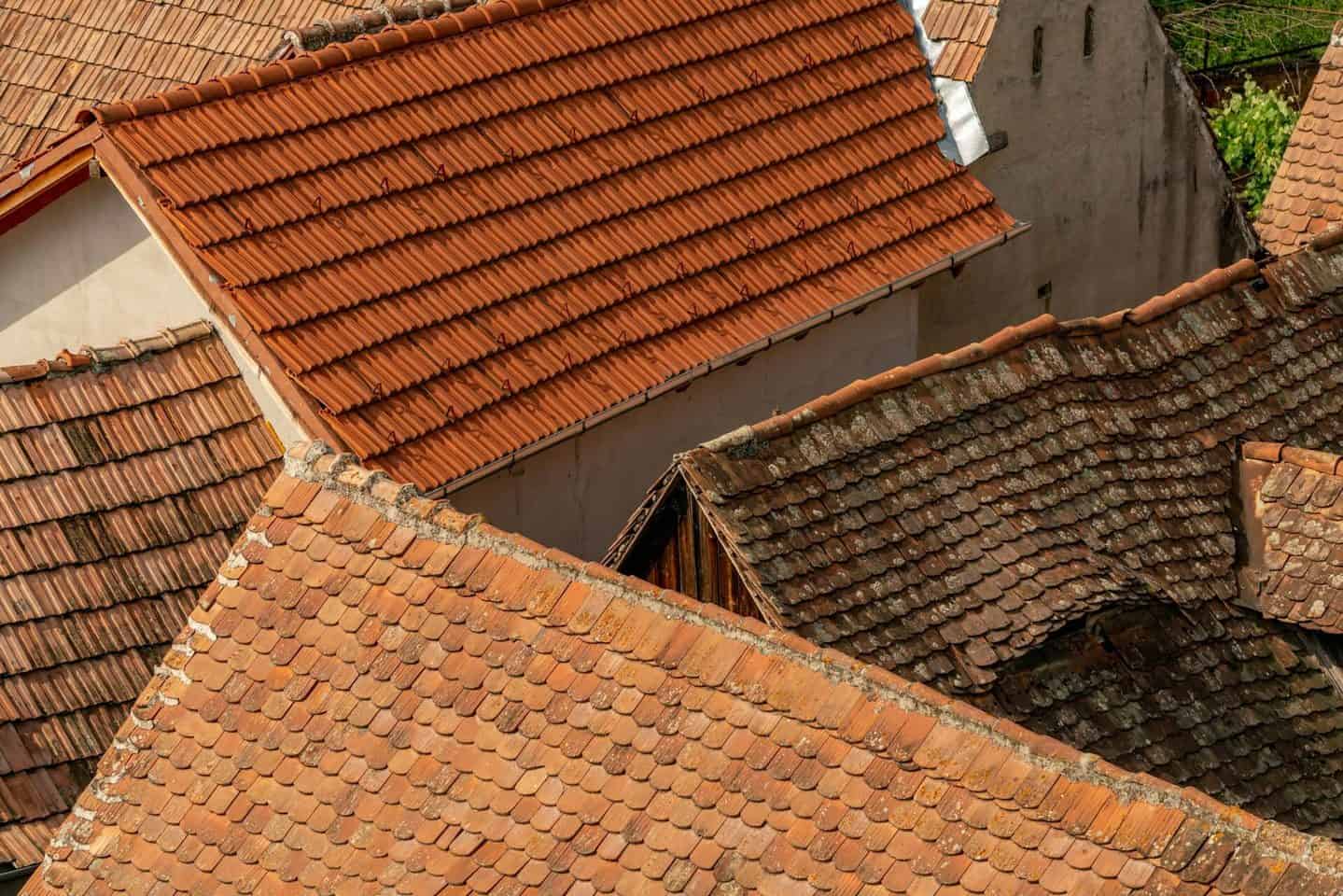
What Early Warning Signs Point to Roof Wear?
Subtle exterior clues appear long before rainwater drips onto your living room floor. Checking your roofline from the ground after severe storms helps you spot minor surface damage while repairs remain simple and affordable.
Walk around your property perimeter on a bright morning and look closely for 4 common warning signs:
- Spot cracked or slipped tiles: Scan the roof slopes for broken tile corners, displaced rows, or dark gaps where wind has lifted a section.
- Inspect worn ridge capping: Look along the highest peaks of your roof for crumbling mortar, hairline splits, or loose concrete caps.
- Watch for ceiling dampness: Check upstairs bedrooms and hallway plaster for faint yellow water rings, bubbling paint, or musty odors after rain.
- Clear clogged valley gutters: Notice if coarse sand grit or broken mortar chunks collect inside your downpipes during routine gutter cleaning.
Ignoring any of these early symptoms allows wind-driven rain to soak your sarking and roof timbers. Once moisture reaches your ceiling cavity, mold growth and plaster damage follow quickly.
How Does Extreme Seasonal Weather Damage Your Roof?
Intense summer heat dries out traditional cement bedding while sub-zero winter frosts force trapped moisture to expand inside tiny mortar pores. Season after season, those sharp temperature swings pry ridge caps loose and leave concrete or terracotta tiles porous and brittle. When rainwater slips beneath shifted ridge lines, timber battens and ceiling insulation absorb moisture out of sight.
Addressing those climate-driven vulnerabilities early prevents minor surface wear from turning into a major structural headache for your family. Experienced roofers working in Canberra, for example, routinely restore weather-worn family roofs by stabilizing shifted tiles and sealing exposed ridge lines against harsh temperature swings. Acting at this stage lets you preserve your existing roof frame while stopping hidden leaks before winter storms arrive.
Why Does Restoration Beat Full Roof Replacement?
Tearing off an entire roof requires weeks of noisy demolition, heavy skip bins, and steep material bills. Research from This Old House shows that over half of homeowners who undergo a complete roof replacement spend upwards of $10,000 on the job. Restoring your current roof delivers reliable weather protection for a fraction of that budget and finishes in just a few days.
Your family stays comfortable at home without scaffolding blocking your driveway for a month. You keep sound concrete, terracotta, or steel materials out of local landfills while extending your roof’s service life by 15 years or more.
How Do Specialists Rebuild Weather Resistance?
Professional roof restoration follows a systematic sequence that repairs structural weak spots before sealing the entire surface. Each stage prepares your roof to shed heavy downpours and resist strong gusts.
Cleaning and Tile Replacement
Technicians start by high-pressure washing the entire roof to strip away thick moss, lichen, and oxidized grime. Clean surfaces reveal hidden hairline cracks so specialists can swap out broken tiles and clear blocked drainage channels immediately.
Rebedding and Flexible Repointing
Crew members remove perished cement mortar beneath loose ridge caps and lay fresh bedding sand and cement to lock every cap firmly in place.
Can Reflective Roof Coatings Lower Your Energy Bills?
Dark, weathered roof surfaces absorb massive amounts of solar radiation during peak summer afternoons and radiate that heat straight into your ceiling space. Applying a solar-reflective roof coating bounces harsh infrared rays away from your home before they warm your upstairs bedrooms.
Cooler roof cavities take heavy strain off your air conditioner during heatwaves and help stabilize indoor temperatures across the whole house. Your family enjoys quieter, more comfortable living spaces during hot afternoons while trimming monthly cooling costs.
When Should You Schedule a Professional Roof Inspection?
Booking an assessment during mild spring or autumn weather gives technicians dry, safe conditions to repair mortar and apply protective coatings properly. Scheduling a routine checkup every 5 years catches minor sealant wear long before storm season tests your ceiling.
Asking for a written condition report with clear roof photos helps you budget calmly and prioritize urgent repairs first. Knowing the exact state of your tiles and ridge caps takes the guesswork out of long-term home maintenance.
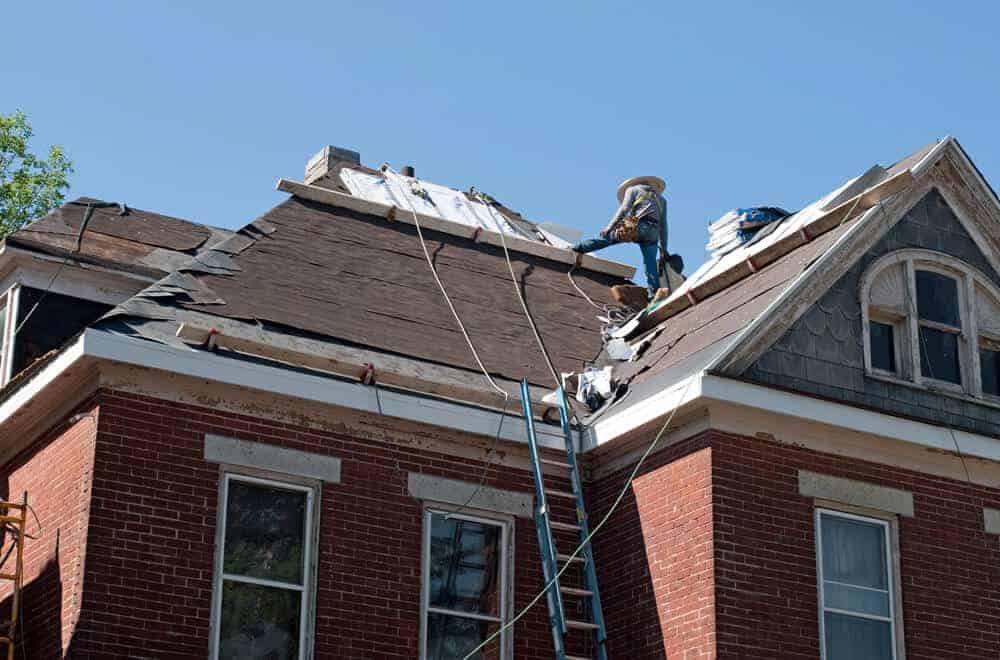
Restoring an aging tiled or metal roof before water ingress spreads protects your family’s living spaces and saves tens of thousands compared to full reconstruction. When you tackle cracked tiles, brittle ridge caps, and faded surfaces early, you turn a looming structural risk into a manageable home upgrade.
Step outside to check your roofline from the ground, and line up a professional inspection before the next extreme season arrives.