
Solar heat gain is the process where sunlight enters a residence through windows, doors, roofs and exterior walls, which increases indoor temperatures. Although natural light makes rooms luminous, excessive exposure causes discomfort and increases the energy required – cooling equipment. Residences with expansive windows or those facing south plus west are often the most impacted during warm seasons. Minimizing unnecessary solar heat gain helps maintain stable indoor temperatures and increases the comfort of residents.
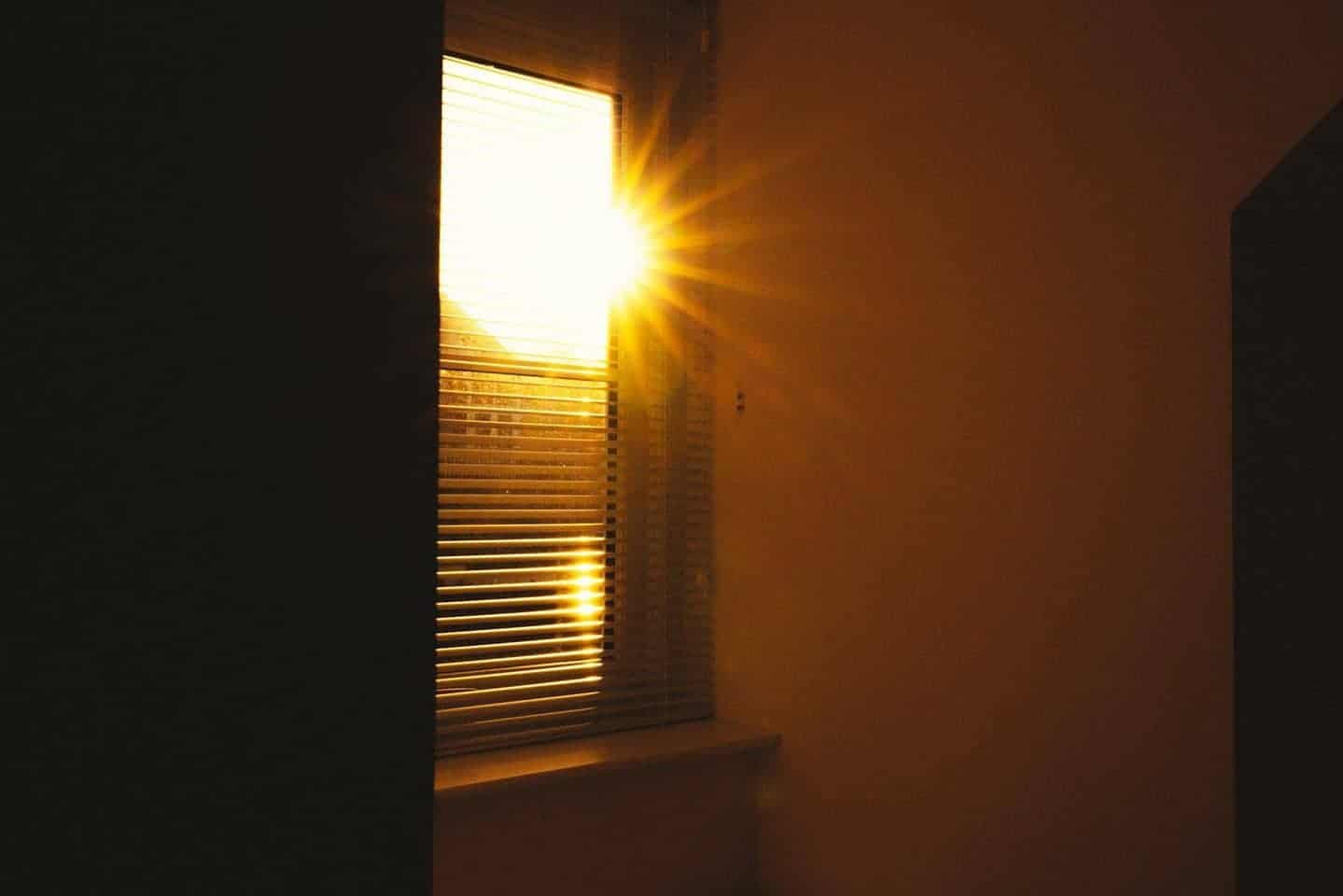
Heat entry depends on the dimensions of windows, the category of glass used, available shading, insulation levels and the orientation of the structure. Identifying the specific areas that receive direct sunlight is a necessary initial step. Residents can then prioritize improvements in those locations to achieve the most significant results without performing expensive modifications to the entire structure.
Improve Window Protection
Windows are primary locations where solar heat enters a residence. Installing blinds, shades or curtains can block direct sunlight during the warmest hours of the day. Exterior shading is often more effective because it stops sunlight before it touches the glass. Exterior shutters but also shade structures are useful tools to limit heat entry through exposed windows.
Upgrading windows provides durable temperature control – Low emissivity glass and specialized window films minimize heat transfer while permitting natural light to enter. Residents should evaluate energy performance and window orientation when selecting replacements. A suitable window increases comfort as well as reduces the necessity for mechanical cooling.
Use Exterior Shading
Property owners manage solar heat effectively when they place trees and vegetation in specific locations. Deciduous trees create shadows during hot seasons and permit sunlight to enter buildings once branches become bare in autumn. Wooden frameworks or dense bushes also protect exterior walls plus glass panes from bright, concentrated light. Careful positioning is required so that these features lower temperatures without obstructing essential visibility or increasing repair requirements.
Residential roofs absorb a large portion of thermal energy, particularly when attics lack dense fiberglass or cellulose protection. Metal surfaces with light colored coatings and thick thermal barriers decrease the energy that transfers from the roof into rooms. Continuous airflow within an attic is another method to regulate heat, if residents also seal structural gaps to ensure the exterior shell of the building remains airtight.
Minimize Heat Transfer Through Walls & Doors
Exterior walls absorb sunlight next to this heat and eventually move into internal rooms. High quality insulation slows this process and keeps indoor temperatures consistent. Light colored paint or finishes reflect more radiation than dark colors, which reduces the heat the building envelope absorbs – these strategies are helpful when planning renovations or replacing siding.
Doors with large glass panels or poor insulation allow heat to enter the residence. Weatherstripping and door sweeps minimize air movement, while insulated doors limit heat conduction – these improvements are most effective when they are part of a plan to strengthen the thermal envelope of the structure, which helps the cooling system function efficiently.
Support Efficient Cooling Systems
Lowering solar heat gain reduces the demand on an air conditioning system. The system operates less frequently when less heat enters the residence, which leads to consistent comfort plus lower energy use. Residents must also ensure that cooling equipment receives regular professional care to remain functional.
Regular maintenance identifies issues like restricted airflow or mechanical failures that make cooling systems less effective. If a system is not performing correctly, scheduling for air conditioner repair London Ontario, can resolve problems before they worsen. Residents who are performing major renovations may also require air conditioning installation to replace old units or meet new cooling needs.
Plan Improvements Systematically
Combining multiple methods is more effective than relying on a single solution. Window treatments, exterior shading, insulation and reflective materials work together to block heat. Residents should focus on the areas with the most sunlight and consider how each change affects the entire residence.
Controlling heat entry before relying on mechanical systems is the primary goal of these improvements. Thoughtful changes result in comfortable rooms but also lower the strain on cooling equipment. By analyzing windows, surfaces, insulation and shading together, residents can maintain a comfortable home during periods of intense sunlight.