
Working up high on a roof is dangerous business, so you need the right prep and gear before you start. Every commercial building needs a solid setup to keep maintenance crews safe during roof checks. Skipping the proper installation steps leads to terrible injuries and massive legal headaches for owners.
This guide will walk you through the essential steps to get your ladder mounted securely and safely. You will look at structural planning, the tools you need for the job, and the safety rules to keep in mind. Read on to learn how to bring your facility up to excellent height safety standards.
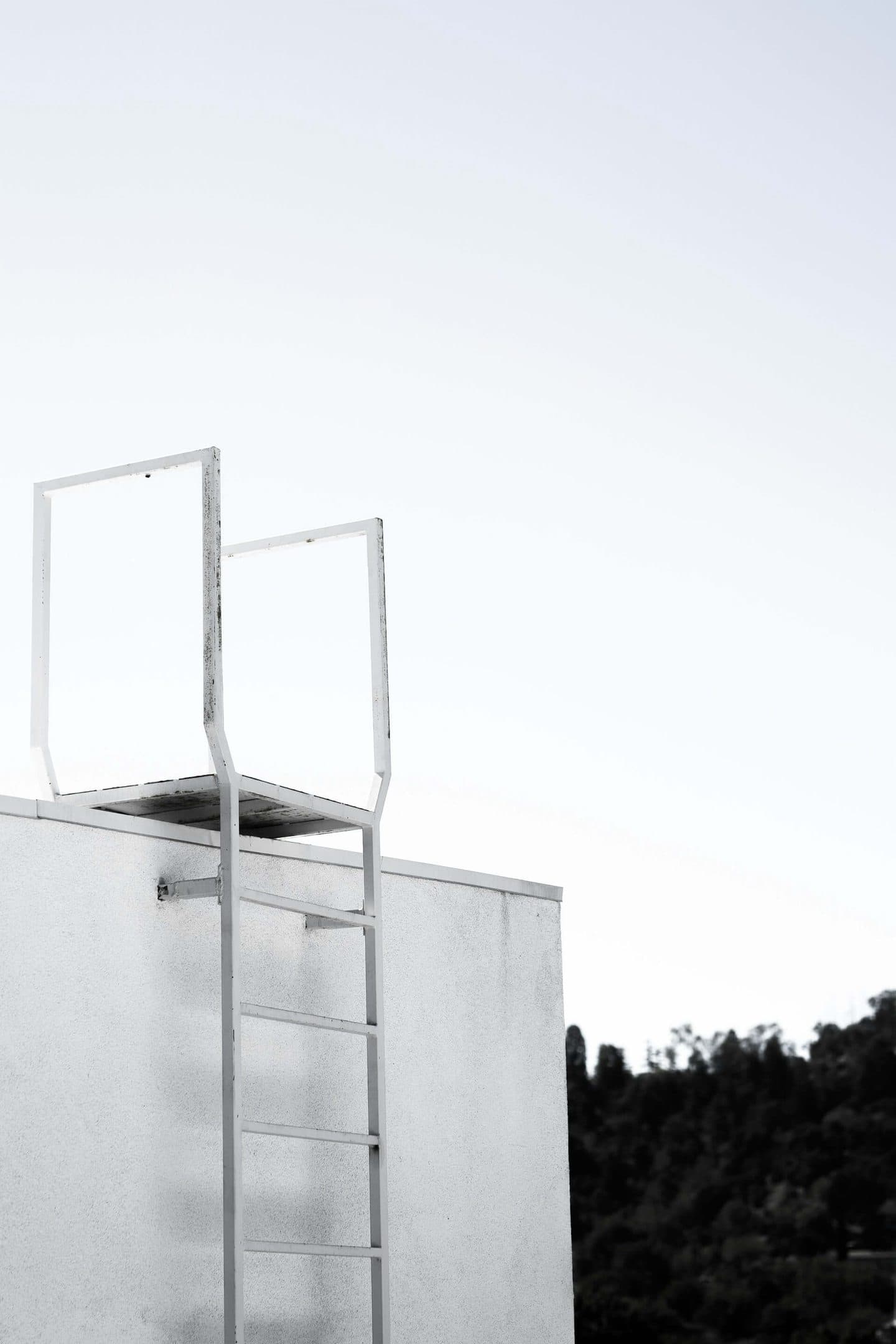
Preparing and Planning Your Installation
Before you grab a drill, you have to look closely at the building wall you plan to use. Choosing a quality roof access ladder ensures that workers can climb up without the structure bending under pressure. Make sure the wall itself is strong enough to handle heavy weight over many years without cracking.
In terms of a good safety system, it’s all about the right and good measurements. Measure the exact vertical drop from the ground all the way up to the roof landing point. Remember to leave plenty of open clearance space so workers do not hit surrounding objects if they have to move quickly.
Essential Safety Equipment and Tools
Getting all your gear together before you start makes the physical installation much faster and smoother. Good anchor bolts, good industrial brackets, and good levels keep everything in perfect alignment. Take note that using cheap, flimsy tools will only ruin the strength of your entire setup.
Here are the parts and speciality tools to make sure you have a good installation.
- Full Body Harnesses: All climbing crews will wear approved fall arrest gear at all times
- Heavy anchors: Strong fasteners secure solid concrete walls to the ladder frame
- Calibrated spirit levels: Tool-free setup of the level for straight side rails
- Impact Drilling Matrices: Mighty masonry drills penetrate exterior walls without damaging them
- Torque Wrench Kit: Torquing fasteners to specifications so they never come loose
Securing Mounting Process
A lot of detail has to be taken into account to put the ladder pieces together so the structure is stable. Before you make any permanent changes, it is important to mark the bracket locations on the outside wall. So before you drill the first hole in the structure, you need to check your layout marks.
The following steps will ensure that your mounting assembly is structurally functional as expected:
- Base Fixing: Bolt the bottom feet of the ladder to a solid concrete foundation pad
- Bracket spacing: To prevent flexing of the ladder, wall supports should be two metres apart
- Splice Joint Integrity: Modular pieces of ladder connected by sleeve connectors on the inside
- Landing Platform Alignment: Ensure that the top step is flush with the actual roof surface
- Guardrail Attachment Setup: Required handrails extend one metre beyond the roof edge
Mitigating Fall Risks During Access Transitions
The most dangerous part of the climb is the transition from the ladder to the flat roof. With a good exit point, workers won’t have to take awkward steps that could knock them off balance. Non-slip rungs and handrails that are easy to hold give workers steady holds and footrests as they climb. Remember, you must have three points of contact at all times so you reduce human error up high.
Compliance and Inspection Protocols
Keep in mind that safety officials have very strict rules for any equipment that is used at high altitudes. When your ladder is in position, it has to undergo rigors weight and safety tests before it can officially be used by anyone. Clean digital records demonstrate your business stays on top of local building codes.
To comply with regulations, follow these protocols:
- Load Testing Validation: Step on the ladder to show that it can take heavy stress
- Clearance Zone Proof: Inspect the area for overhead power lines that could pose a hazard
- Signage Placement: Check for signs that indicate weight limits and who is allowed to climb on
- Annual Certification Audits: Have a safety inspector certify the ladder setup every year
- Corrosion Defects: It should be checked for rust or weather damage on all metal parts.
Secure Your Workplace Today
Your team needs protecting, and great commercial safety gear is a must, so choose to repair your building’s roof access. Don’t be afraid to reach out to a professional and a well-trained engineering team and let them develop a safety plan that is customised for your property. Furthermore, with a roof access ladder, you will be able to protect your business assets well and have total peace of mind.