
A bedroom should be the easiest room in the house to relax in, yet it often ends up the most overlooked. Between busy mornings, piles of washing, and everyone’s odds and ends, the one space meant for rest can quietly turn into a dumping ground. The good news is that a calmer, safer room is well within reach, and the changes that matter most are small.
Whether the space belongs to you, a child, or a family member who needs a gentler setting, a few thoughtful choices make a real difference to how well everyone sleeps. Here is how to get there without a full renovation.
Start by clearing the decks
Before adding anything new, take things away. A restful bedroom begins with clear surfaces and a floor you can actually see, since clutter keeps the mind busy long after the lights go out.
Try these quick resets:
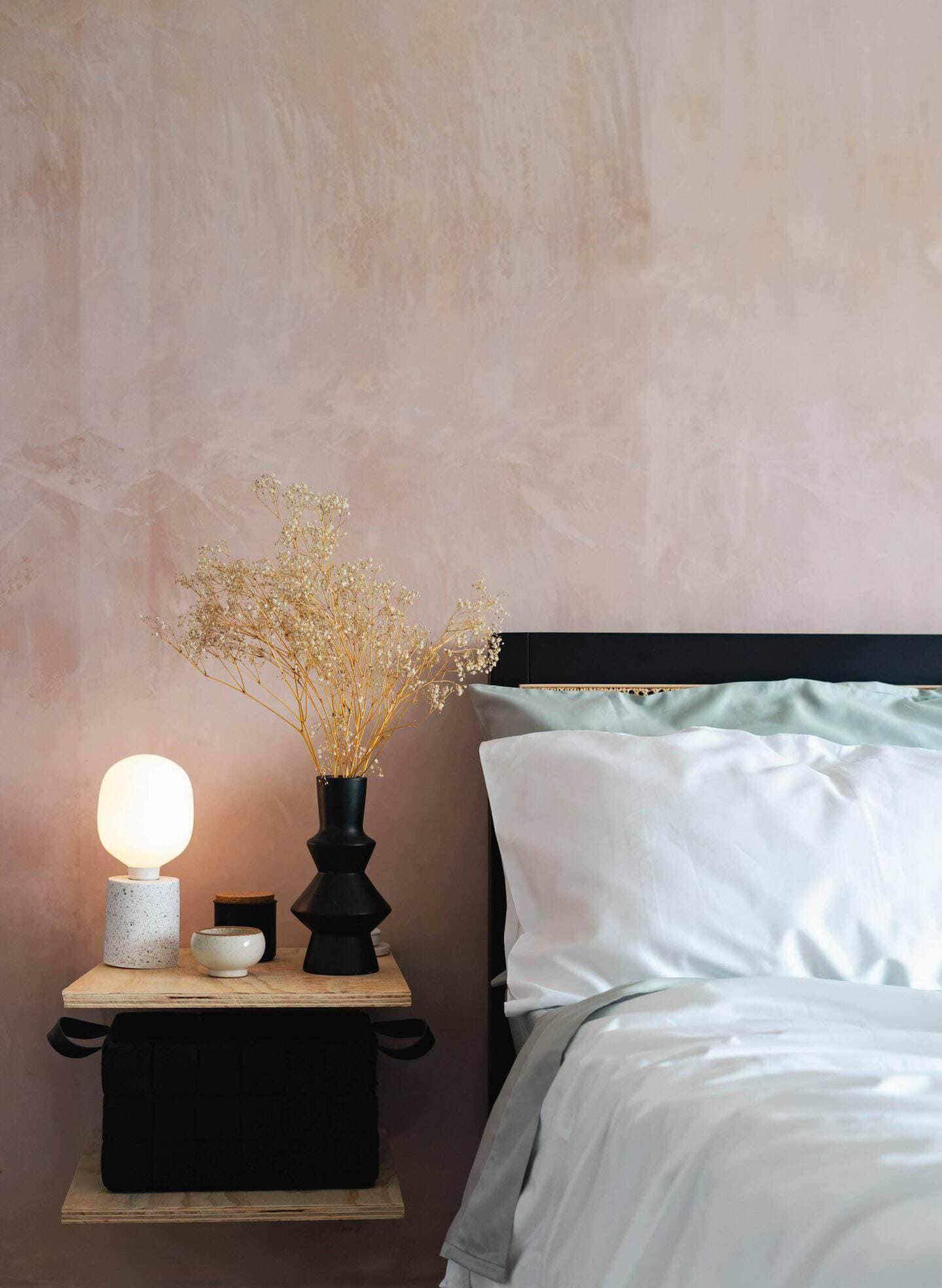
- Keep only the essentials on each bedside table, such as a lamp, a glass of water, and a book.
- Move laundry baskets, bags, and paperwork out of the room so it reads as rest, not admin.
- Give toys and clothes a proper home, because an ordered space is far easier to keep tidy than a styled one.
Choose furniture that keeps everyone safe
Once the room is clear, look at what fills it. When we set up a bedroom with safety in mind, we can borrow a few tricks from places built entirely around it. Care settings and children’s rooms work on the same principle, which is soft edges, sturdy builds, and nothing that can topple or trap.
Designers of those spaces favour safe bed head designs that round off hard corners, sit flush against the bed, and hold up to years of daily wear. The same thinking works beautifully at home, so choose pieces with gentle shapes and solid construction over anything sharp or flimsy.
Get the light and colour right
Harsh overhead lighting is the enemy of a restful room. Swap a single bright globe for a couple of softer sources, and let the evening feel warmer than the middle of the day.
A few small changes go a long way:
- Add a bedside lamp with a warm globe for low, cosy light after dark.
- Lean on a calm colour palette of muted greens, soft blues, and warm neutrals drawn from nature.
- Layer bedding, a throw, and a rug so the room feels snug rather than bare.
Give sleep its own quiet corner
Good rest is far easier when the bedroom is used for winding down, not working or scrolling. Keeping screens and clutter out protects the room’s one real job, which is helping everyone switch off.
If space at home feels tight, there are clever ways to carve out somewhere peaceful. Even turning an unused loft into a bedroom can give a restless sleeper the quiet corner they have been missing.
Build a wind-down routine the room supports
A calming space works best alongside a calming habit. The hour before bed sets the tone for the whole night, so fill it with things that slow you down rather than wind you up.
Keep the ritual simple, whether that is a warm bath, ten pages of a good book, or a cosy bedtime drink to mark the end of the day. Repeated often enough, these small cues tell the body that rest is on its way.
Your nightly reset
A safe, restful bedroom is one of the kindest things we can set up for ourselves and our families, and it pays off every single night. Start with one change this week, whether that is clearing a surface, softening the lighting, or swapping out a wobbly piece of furniture, then notice how the room begins to feel. Better sleep usually starts with the space around it.