
As a large storage space with a cooling function, refrigerators can easily store as much food and ingredients as we like. Sometimes, the larger the fridge, the more enthusiastic we are to fill up the storage space. But storing food in the refrigerator requires more thought if we want to ensure that everything stays fresh.
Improper storage can make your food go bad faster, even if the items are in the fridge.
Save yourself time, money, and stress by storing your food properly. Storing your food properly can also help you organize it. Organizing food is particularly helpful for smaller fridges or single door refrigerators as proper utilization of space lessens food waste and helps your fridge stay cool.
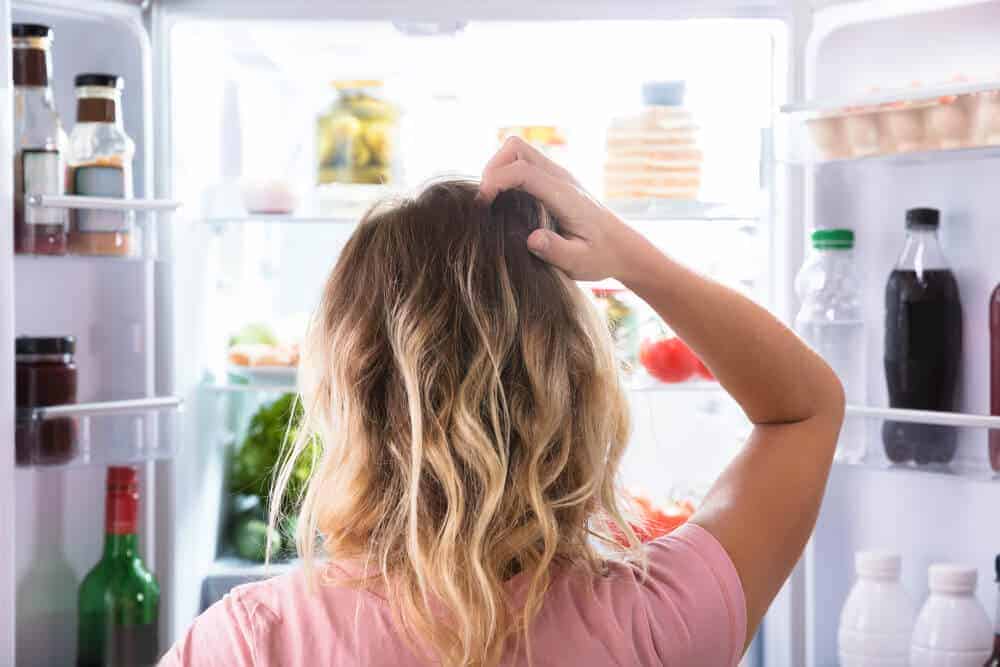
If you don’t know where to start when organizing your refrigerator, the first step is to identify the problem. Below is a list of mistakes you might be making with your fridge’s storage.
Placing Perishable Food Items on the Door Shelves
The door of your refrigerator is pretty handy with its shelves. Some refrigerator doors even come with egg compartments to keep them from rolling around. While this may seem like a nifty accessory, the refrigerator door’s shelves aren’t an ideal location for something as perishable as eggs. Due to the door being opened whenever you need something from the fridge, these shelves are the warmest spot in your fridge. The items stored here get exposed to the warm air whenever the door is opened, and this constant exposure can cause your food to spoil faster.
Aside from eggs, perishable items like dairy products and fresh juices shouldn’t be placed on the door shelves. What you can store on the door shelves are condiments and sodas. These items won’t expire easily despite exposure to warm air.
Incorrect Usage of Refrigerator Compartments and Shelves
Most refrigerators nowadays come with labeled compartments. While you can store other things in them, doing so may mean that more sensitive food items are not stored in optimum conditions. For example, crisper compartments are the best location for storing produce. These compartments allow for a more humid environment, which is perfect for extending the life of your produce but can negatively affect the taste and preservation of other food items. If you have two crisper drawers, one at the top and one at the bottom, place leafy vegetables at the top compartment and fruits at the bottom.
The shelves in your refrigerator might seem like a free-for-all storage space, but there is an order to follow when storing food on the shelves. Food that doesn’t need to be cooked goes on the top shelf, like pre-made food and leftovers. Raw meat should be stored at the lowest shelf to prevent any liquids from dripping down and contaminating other food. If you’re not sure about where to store certain food items, follow this rule: the more heat is required to prepare the food, the lower they should be placed on your shelves.
Leaving Uncovered Food in the Refrigerator
Open containers like jars or condiment bottles can spread harmful bacteria in your fridge and contaminate other products. Likewise, leaving uncovered food in the fridge may result in cross-contamination, which results in food spoiling faster.
Wrap open containers and leftover food in cling wrap or aluminum foil before storage to help preserve them and avoid cross-contamination. Make sure bottles and jars are sealed tightly after usage before returning them to your fridge.
Using Any Container to Store Food
Not all containers can be used for storing food in the fridge. Styrofoam and takeout containers aren’t ideal as they aren’t airtight and eventually degrade. Likewise, some plastics may contain concentrated amounts of BPA, which can leak chemicals into your food.
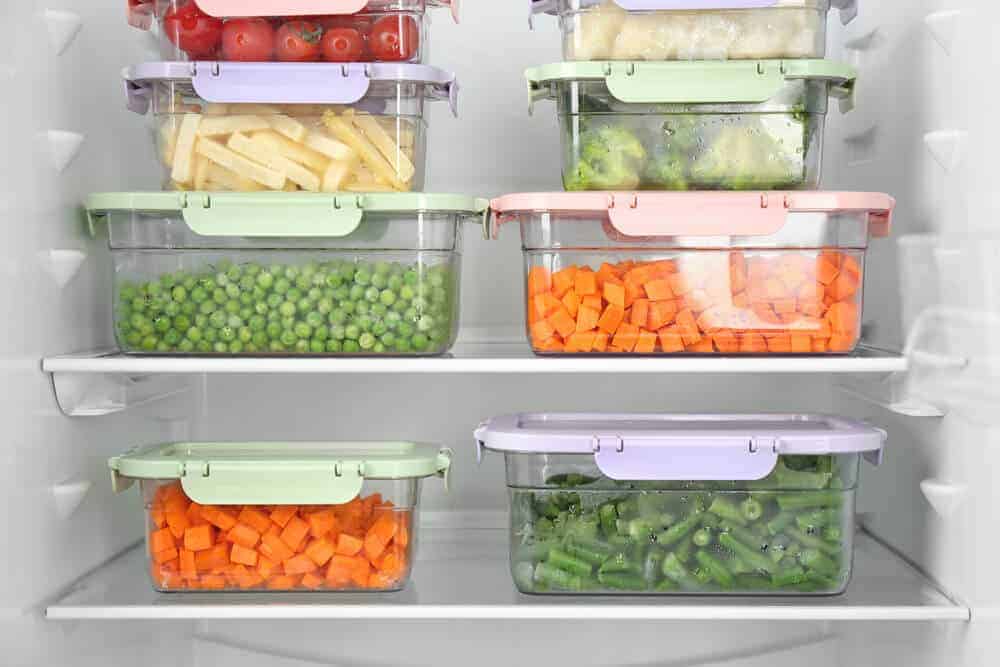
If you must use plastic containers, make sure that they are labeled as food-safe and BPA-free. However, it’s best to use glass and steel containers. These materials provide better protection from cross-contamination and can thus preserve your food better. They are also more stable and won’t leak out any dangerous chemicals into your food, even if the food has been left in the container for some time.
Cooling Food Items That Don’t Need to be Refrigerated
The ability of your refrigerator to extend food shelf life may have led you to store all your reserves in there. But not all food items need refrigeration and some may even deteriorate faster when chilled.
Below is a list of foods that don’t need to be refrigerated:
- Bananas
- Tomatoes
- Melons
- Onions
- Garlic
- Oil
- Potatoes
A good rule of thumb is to observe how food items are stored in grocery stores. If they’re not in refrigerators, you probably don’t need to store them in your fridge.
Forgetting to Check Expiration Dates
You might store newly-bought food at the very front of your fridge because this space is the most accessible, but this habit makes you forget about older products. Leaving these products at the back keeps them out of your sight, and you might forget to check their expiration date. Not only are you more likely to forget to consume these products, but they can also rot in your fridge and affect the freshness of your other food.
When storing groceries, always check the expiration dates of the food items you’ve had previously. Those with later expiration dates should be placed at the back of the fridge, while those that need to be eaten soon should be placed at the front.
Not Using Organization Techniques
Storing food in the fridge deserves more thought than randomly cramming it into an available space. Filling up shelves and crisper drawers with as many items as you can is also not a good practice. Poor organization and overfilling your fridge can result in cross-contamination of cooked food and faster spoilage of fresh produce. Utilize simple organization techniques to help avoid wasting food and storage space.
Organize your shelves into specific areas and group similar kinds of food together. For example, place produce together on the top shelf and store dairy products on the middle shelf. If your fridge has wide shelves, you might want to separate the shelf into two sections with the use of containers and fridge organizers. You can put soda cans on one side of the shelf and tightly-sealed leftovers on the other.
You should also label food containers, especially if they’re opaque. Aside from labeling the contents, write down when you stored the food and the expiration date, if available. This technique also helps you keep track of the freshness of your food.
Improper food storage is not only bad for your health, but also bad for your wallet. Aside from increasing your risk of food poisoning and causing food waste, improper food storage can also affect the functionality of your fridge, so it uses more energy and becomes more prone to breaking down. Save yourself the trouble of throwing away wasted food and needing to buy a new refrigerator by avoiding these seven fridge storage mistakes.