
The first time I really noticed my hairline, I was standing in a chilly Edmonton parkade in January, toque in one hand, keys in the other, catching my reflection in a car window. Minus twenty-five outside, and there it was: a lot more forehead than I remembered.
What followed was about eighteen months of late-night scrolling, forum rabbit holes, before-and-after photos that all looked suspiciously perfect, and one very persuasive sales call. I did eventually get a hair transplant, and I’m genuinely happy with where I’ve landed. But if I could sit across from my past self with a double-double, these are the things I’d want him to hear before he signed anything.
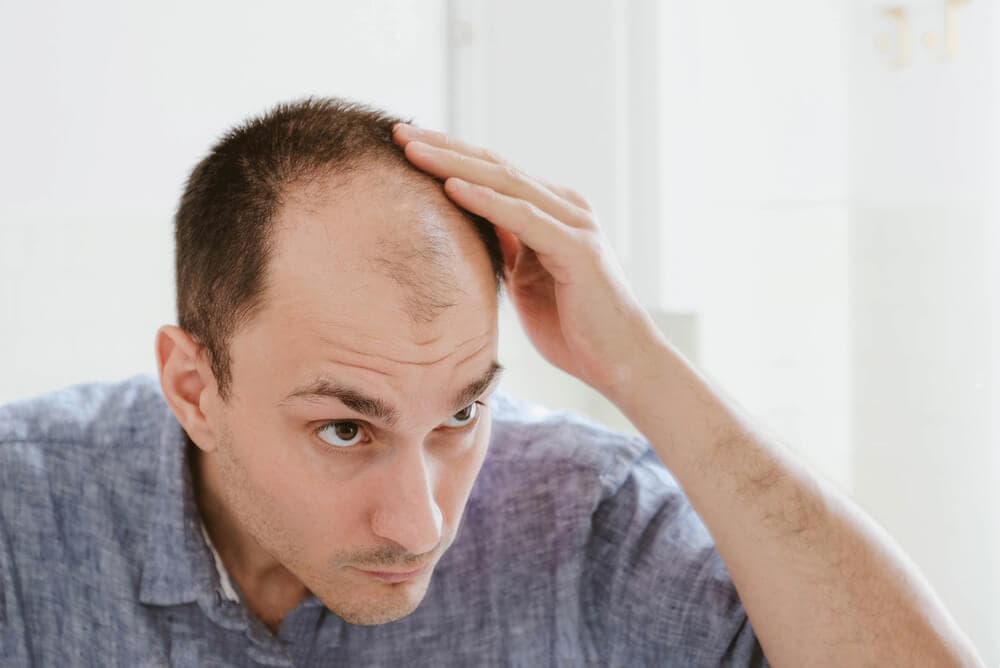
1. Your Hairline Is Still Moving, So Plan for Future You
Nobody spelled this out for me early on: a transplant moves hair you already have. It doesn’t create new hair. The grafts come from the back and sides of your head (the donor area), and that supply is limited. Once it’s used, it’s gone.
That matters because hair loss usually keeps going. A sharp, low hairline designed for 28-year-olds can look odd at 45, sitting there like a little island while the hair behind it keeps thinning. The surgeons I trusted most talked about the long game: a slightly more mature hairline, keeping some donor hair in reserve, and slowing ongoing loss before cutting anything.
2. A Cheap Deal Can Get Expensive Fast
I’ll admit it, I was tempted by the package deals abroad. Flights, hotels, and thousands of grafts for a fraction of local prices. What I didn’t appreciate was how often those shortcuts end up needing repair.
According to the International Society of Hair Restoration Surgery’s practice census, 5.4% of hair restoration patients in 2021 were seeking treatment to repair a previous surgery done by another physician or a black-market clinic, up from 4.2% in 2019. Fixing a transplant is much harder than doing it right the first time, because scar tissue and an over-harvested donor area leave the next surgeon far less to work with.
3. Start With a Diagnosis, Not a Graft Count
My first consultation was basically a price quote. A number of grafts, a total, and a “special offer if you book this month.” Looking back, that should have been my cue to leave.
Hair loss has plenty of possible causes, including genetics, thyroid problems, stress, low iron, and autoimmune conditions like alopecia areata. Not all of them respond well to surgery, and some need medical treatment first. The consultation that finally earned my trust began with questions about my health history, family patterns, and medications, followed by a proper look at my scalp under magnification.
Whether you’re looking for a hair loss doctor in Edmonton or anywhere else, that diagnosis-first approach is what separates medical care from a sales pitch. Canadian Hair Transplant Centre determines candidacy through a clinical consultation that includes a full scalp assessment and a review of medical history, which is a useful benchmark for what any good consultation should cover.
4. FUE vs. FUT Isn’t a Popularity Contest
Online, FUE gets all the hype. FUE (follicular unit excision) removes grafts one at a time and leaves tiny dot-like scars. FUT (follicular unit transplantation, sometimes called strip surgery) removes a thin strip of scalp, leaving a fine linear scar but often yielding more grafts in a single session.
Neither is automatically better. The right choice depends on how short you like to wear your hair, how dense your donor area is, and how many grafts you might need over your lifetime. I almost picked a technique because a YouTuber liked it. Please don’t be me.
5. The “Ugly Duckling” Phase Is Very Real
This was the part I was least prepared for. A few weeks after surgery, much of the transplanted hair falls out. It’s completely normal, since the follicles are resting before they regrow, but it’s unnerving when you’ve just paid for new hair and watch it land on your pillow.
New growth typically starts showing around the three- or four-month mark, and the full result can take a year or longer. My best tip: take a photo once a month in the same spot, with the same lighting. Mirrors play tricks on you. Photos don’t.
6. Surgery Is One Chapter, Not the Whole Book
Transplanted follicles are generally resistant to the hormone behind pattern hair loss, but the original hair around them isn’t. Without a plan to protect it, you can keep your shiny new hairline and slowly lose the hair behind it.
Ask your doctor whether options like minoxidil, finasteride, or platelet-rich plasma (PRP) make sense for you, what the possible side effects are, and how you’ll be monitored over time. The best results I’ve seen, my own included, come from treating surgery as part of a longer plan.
The Cheat Sheet I’d Hand My Past Self
Before making a decision about hair restoration, a few practical lessons can help you avoid common mistakes and make the most of your results.
- Get a diagnosis before you get a quote.
- Design your hairline for age 50, not just next summer.
- Know who’s actually holding the instruments.
- Expect shedding and give it a full year.
- Have a maintenance plan for the hair you still have.
A successful hair transplant is about more than the procedure itself—it starts with the right diagnosis, realistic planning, and long-term care.
Final Thoughts
A hair transplant can be a genuinely life-changing decision, and I don’t regret mine for a second. What I do regret is how much of my early research came from ads instead of doctors. So take your time, ask the slightly awkward questions, and choose someone who’s thinking about your hair ten years from now, not just on surgery day. If you’re only at the “noticing it in the mirror” stage, that’s actually the perfect time to start.
Early on, you have the most options and the most donor hair to work with. Book a proper medical assessment, write your questions down before you go, and don’t let anyone rush you with a limited-time offer. A good doctor will happily give you time to think, and some of the best advice I got was simply to wait and stabilize first.