
Getting a tattoo removed isn’t a one-size-fits-all process. Your unique skin type plays a crucial role in determining how effectively and quickly your unwanted ink will fade. Understanding this relationship can help you set realistic expectations and choose the right treatment approach for your specific needs.
Why Skin Type Matters in Laser Tattoo Removal
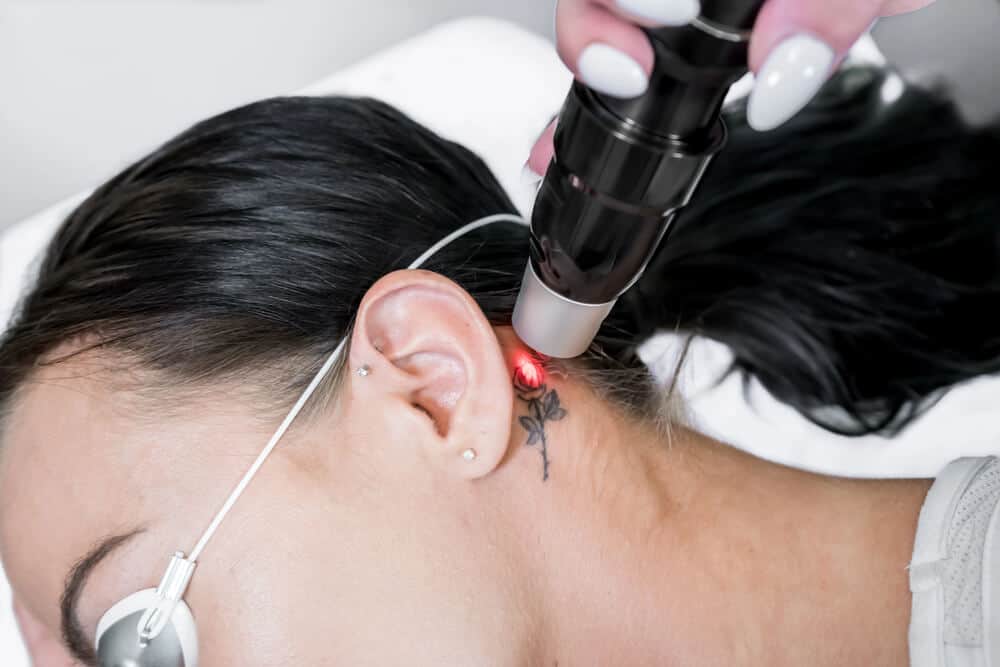
Laser tattoo removal works by targeting ink particles beneath your skin’s surface with concentrated light energy. However, the laser doesn’t just see the ink—it also interacts with melanin, the pigment that gives your skin its color. This is where skin type becomes critically important.
People with lighter skin tones generally experience fewer complications because there’s less melanin to compete with the tattoo ink for laser energy. Darker skin tones contain more melanin, which means the laser must work harder to distinguish between natural pigmentation and tattoo ink. This doesn’t mean removal is impossible for darker skin types, but it does require more careful treatment planning.
The Fitzpatrick Scale, which classifies skin into six types ranging from very fair to very dark, helps practitioners determine the safest and most effective laser settings for each individual. Using the wrong settings can lead to hyperpigmentation, hypopigmentation, or even scarring.
How Different Skin Types Respond to Treatment
Lighter skin types, particularly Fitzpatrick types I and II, typically see faster results with fewer sessions. The laser can operate at higher energy levels without risking damage to surrounding tissue, allowing for more aggressive ink breakdown.
Medium skin tones, types III and IV, require a more balanced approach. Vancouver tattoo removal specialists often adjust laser wavelengths and pulse durations to protect the skin while still effectively targeting the ink. These skin types may need slightly more sessions but still achieve excellent results with proper technique.
Darker skin types, V and VI, need the most specialized care. Advanced laser technologies like Q-switched Nd:YAG lasers with specific wavelengths are preferred because they minimize melanin absorption while maximizing ink fragmentation. Treatment intervals are often longer to allow complete healing between sessions.
The Role of Skin Thickness and Texture
Beyond color, your skin’s thickness and texture also influence removal outcomes. Areas with thicker skin, like the back or thighs, may require more sessions because the ink sits deeper beneath the surface. The laser energy has to penetrate further to reach all ink particles effectively.
Scarred or textured skin from the original tattooing process presents additional challenges. Scar tissue can scatter laser light unpredictably, making removal less efficient. If your tattoo was applied with heavy-handed technique or has raised areas, you might need customized treatment protocols.
Skin elasticity matters too. Younger, more elastic skin typically heals faster between sessions and responds better overall. As we age, our skin’s ability to regenerate and flush out fragmented ink particles naturally decreases, potentially extending the removal timeline.
Managing Expectations Based on Your Skin
Understanding your skin type helps you develop realistic timelines for tattoo removal. While someone with fair skin might see significant fading in four to six sessions, someone with darker skin might need eight to twelve sessions for similar results.
This doesn’t reflect any limitation of your skin—it’s simply about working safely within your skin’s parameters. Rushing the process with overly aggressive treatments can cause permanent damage that’s far worse than the original tattoo.
Your skin’s healing response between sessions is equally important. Some people naturally heal faster and can schedule treatments closer together, while others need extended intervals to avoid complications. Paying attention to how your skin recovers helps your practitioner optimize your treatment schedule.
Protecting Your Skin Throughout the Process
Regardless of your skin type, proper care maximizes your results and minimizes risks. Sun protection is absolutely essential—UV exposure can cause pigmentation changes that complicate treatment and healing.
Keeping your skin well-hydrated and healthy supports the removal process. Your body’s lymphatic system needs to flush out fragmented ink particles, and overall wellness directly impacts this natural cleansing mechanism.
Following aftercare instructions specific to your skin type prevents complications. What works for one person might not work for another, so personalized guidance from your practitioner is invaluable.
Conclusion
Your skin type isn’t a barrier to successful tattoo removal—it’s simply a factor that shapes your unique treatment journey. By understanding how your specific skin characteristics influence the removal process, you can work with qualified practitioners to develop a safe, effective plan. Whether you have porcelain-fair skin or a rich, deep complexion, modern laser technology offers solutions tailored to your needs. The key is patience, proper technique, and realistic expectations based on your individual biology.