
Skin texture is one of those details people in Charlotte and beyond often notice before they can explain it. Makeup doesn’t sit the same way, light reflects differently, and skin may feel rougher or uneven to the touch. While these changes can feel sudden, they usually develop gradually over time as the skin responds to aging, environment, and daily habits.
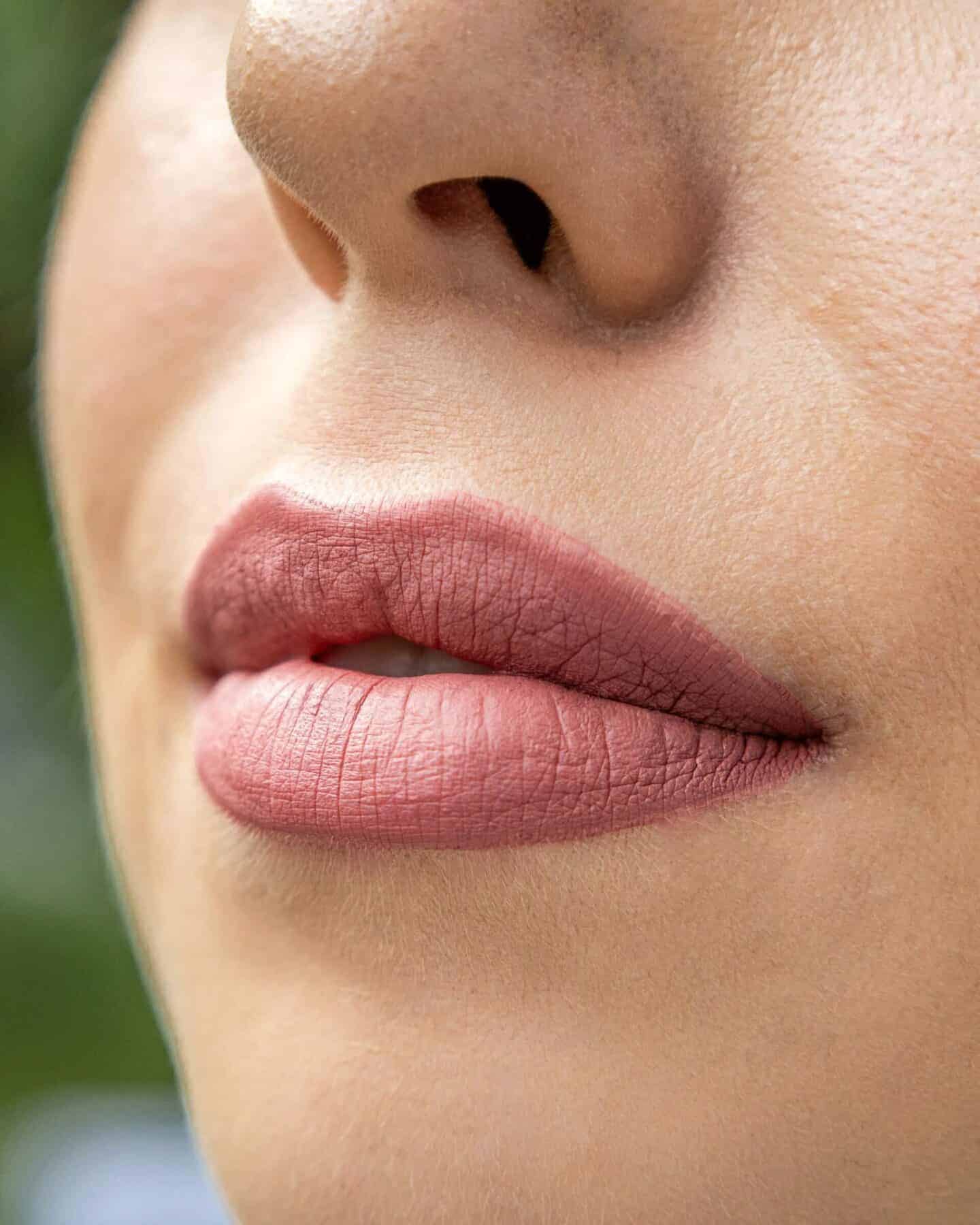
What’s important to understand is that skin texture issues aren’t just surface-level concerns. They’re influenced by how skin cells regenerate, how collagen supports the skin, and how well the outer barrier retains moisture. Therefore, understanding why texture changes happen makes it easier to see why certain treatments help—and why others fall short.
That said, below are the most common reasons skin texture changes over time and the approaches people consider to restore a smoother, healthier glow.
1. Slower Cell Turnover Affects Skin Smoothness
Healthy skin constantly renews itself. New skin cells form in deeper layers and gradually move upward, replacing older cells that naturally shed. When this process slows—as it does with age—dead skin cells can build up on the surface.
This buildup often leads to:
- Rough or uneven texture.
- Dull, tired-looking skin.
- Makeup settling into fine lines.
- A lack of natural radiance.
Slower cell turnover is one of the earliest contributors to texture changes, and it can begin as early as the late 20s or early 30s. While gentle exfoliation at home can help temporarily, it often isn’t enough to fully correct uneven texture once cell renewal has significantly slowed. Hence, restoring smoothness at this stage usually involves encouraging healthier turnover rather than simply masking the issue.
2. Sun Damage and Pigment Irregularities Disrupt Texture
Long-term sun exposure is one of the biggest contributors to uneven skin texture. UV damage affects both the surface and deeper layers of the skin, disrupting normal cell behavior and accelerating collagen breakdown.
Over time, this can lead to:
- Rough patches or thickened skin.
- Uneven tone that affects overall smoothness.
- Visible sun damage that dulls the complexion.
When sun-related texture changes persist, many people explore professional exfoliation and resurfacing options. The best part? Reputable clinics such as Novella Form & Facial often evaluate how sun damage and pigment irregularities are contributing to texture concerns before recommending the suitable treatment.
By the way, options like a chemical peel in Charlotte, NC, are often recommended because they work by removing damaged surface layers and stimulating healthier skin renewal beneath. By targeting uneven cell buildup and discoloration together, the treatment can help restore a smoother texture and improve overall clarity when used appropriately.
3. Collagen Loss Changes How Skin Feels and Looks
Collagen plays a major role in how smooth and firm skin appears. Over time, natural collagen production declines, and the existing collagen fibers weaken. As this support structure diminishes, skin becomes thinner and less resilient.
These changes may show up as:
- Fine lines that feel more pronounced.
- Enlarged or uneven pores.
- Crepey or fragile skin texture.
- A loss of firmness beneath the surface.
When collagen support weakens, skin texture can feel less uniform, even if the surface appears relatively clear. This is why some people notice texture issues even without acne, discoloration, or visible damage.
Addressing collagen-related texture changes often requires treatments that work beneath the surface, not just topical products that hydrate temporarily.
4. Lifestyle and Skin Barrier Health Matter More Than You Think
Daily habits quietly influence skin texture over time. Stress, lack of sleep, dehydration, and inconsistent skincare can weaken the skin barrier—the outer layer responsible for retaining moisture and protecting against irritants.
When the barrier is compromised, skin may feel:
- Rough or tight.
- Easily irritated.
- Prone to flaking or sensitivity.
- Less responsive to skincare products.
While professional treatments can correct existing texture concerns, maintaining results often requires supportive habits. Hydration, sun protection, gentle cleansing, and barrier-repairing products all help preserve smoother skin once improvements are made. Texture restoration works best when treatments and lifestyle support each other rather than acting independently.
When Texture Restoration Becomes a Priority
Skin texture concerns become more noticeable when they affect confidence or daily routines—such as how skin looks without makeup or how products apply. Many people reach a point where at-home solutions no longer deliver visible improvement, prompting them to seek professional guidance.
A personalized approach helps determine:
- Whether texture issues are surface-level or structural.
- Which treatments align with skin sensitivity and goals?
- How to combine professional care with at-home maintenance.
The goal isn’t perfection—it’s healthier skin function and a smoother, more consistent appearance over time.
Final Thoughts
Skin texture changes gradually as cell turnover slows, collagen declines, sun damage accumulates, and lifestyle factors take their toll. While these changes are a natural part of aging, they don’t have to define how skin looks or feels.
By understanding what drives texture issues and choosing treatments that address the root causes—not just surface symptoms—many people successfully restore a smoother glow. With thoughtful care and realistic expectations, skin texture can improve in ways that feel both noticeable and natural.