
Have you ever looked in the mirror and felt that your eyes made you look more tired than you really were? Puffy under-eyes, loose skin, or drooping upper eyelids can change the way your face looks, even when you feel rested and well. Sometimes, these changes come with age. In other cases, they run in the family and appear much earlier.
For people in Portland, understanding the cause of these changes can help when deciding what to do next. Blepharoplasty, also known as eyelid surgery, may help remove excess skin or fat around the eyes. However, it is not the answer to every concern, so it helps to know when the procedure may be worth considering.
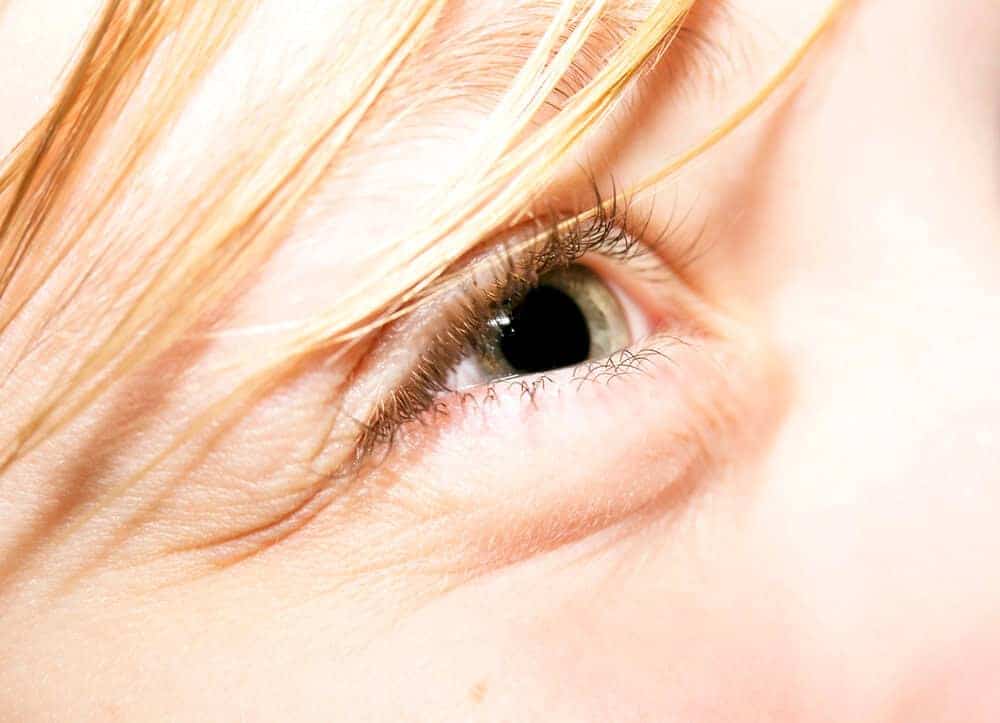
What Is Blepharoplasty?
Blepharoplasty is a surgical procedure that improves the appearance of the upper eyelids, lower eyelids, or both. Depending on a person’s needs, a surgeon may remove or reposition excess fat, remove loose skin, and adjust some of the tissue around the eyelids.
The goal is to address concerns such as heavy upper eyelids or bags beneath the eyes. In some cases, removing excess skin can also improve vision when drooping eyelids block part of the person’s view.
The procedure is fairly common. According to the International Society of Aesthetic Plastic Surgery (ISAPS), eyelid surgery was the most performed surgical procedure in 2025.
Still, whether surgery is appropriate depends on what is causing the change around your eyes.
4 Signs Blepharoplasty May Be Worth Considering
Puffy eyes and sagging eyelids can have different causes. These four situations may help you understand when eyelid surgery could be an option.
1. Your Upper Eyelids Have Excess Skin
As we age, the skin loses some of its firmness. The upper eyelids may begin to droop, creating a heavy or hooded appearance. This can make the eyes look smaller or leave less visible space for eye makeup. In more severe cases, the skin may hang over the eyelashes or block part of your upper or side vision.
In that case, upper blepharoplasty may help by removing the excess tissue. This sagging skin above the eyes is actually one of the foremost reasons people seek out blepharoplasty in Portland. And the results can be significant, as the procedure creates a more open, awake, and youthful appearance without making you look like someone else.
In more severe cases, the skin may hang over the eyelashes or block part of your upper or side vision. If you notice this, an eye care professional can assess whether the eyelids are affecting your sight.
2. Under-Eye Bags Remain Even When You Are Rested
Under-eye puffiness is often linked to fluid buildup, lack of sleep, allergies, or changes in the tissues around the eyes. A late night may leave you looking tired the next morning, but that type of puffiness can improve with rest and simple home care.
Persistent bags may have a different cause. As the tissues supporting the eyes weaken, fat can move forward and create a fuller appearance beneath the lower eyelids.
Lower blepharoplasty may help when excess fat or loose skin is responsible. The surgeon may remove or reposition fat and address excess skin to create a smoother transition between the lower eyelid and cheek.
However, not every dark circle or hollow can be corrected with surgery. Identifying the cause is an important first step.
3. Your Eyelids Affect Everyday Activities
Sometimes, drooping eyelids cause more than a cosmetic concern. Excess skin may make it harder to see objects above you or to the side. You may also find yourself raising your eyebrows to keep your eyes open or struggling to apply makeup because the skin folds over the eyelid.
When excess skin affects vision or daily activities, a medical assessment can help determine whether eyelid surgery may be useful. Some cases may require a different procedure, especially if the problem comes from a low eyelid position rather than loose skin alone.
If vision is affected, ask about the tests needed to assess the problem and whether treatment may qualify for insurance coverage.
4. The Changes Are Affecting How You Feel About Your Appearance
Some people have naturally heavy eyelids or under-eye bags because of family traits. Others notice these changes gradually and feel that their eyes no longer reflect how they feel.
If the appearance of your eyelids has become a lasting concern, surgery may be worth discussing with a qualified surgeon. Portland Face Doctor explains how upper and lower eyelid procedures can be tailored to concerns such as excess skin, under-eye bags, and drooping eyelids. A consultation should cover your goals, eye health, medical history, and realistic expectations. You should feel comfortable asking questions and taking time to decide.
What to Know Before Having Eyelid Surgery
Blepharoplasty is a surgical procedure, so it comes with risks. Risks from cosmetic surgery can include swelling, bruising, dry or irritated eyes, infection, bleeding, and visible scarring. Rarely, serious complications involving vision can occur.
Recovery also takes time. Swelling and bruising are common during the first days after surgery and often improve over one to two weeks, although healing varies. Your surgeon will explain how to care for your eyes, when to return for follow-up visits, and when you can resume normal activities.
It is also important to have the right expectations. Eyelid surgery can address excess skin and certain types of puffiness, but it will not remove every wrinkle or stop the natural aging process. Other concerns may need different treatments.
Conclusion: Finding the Right Next Step
Puffy eyes do not always mean you need surgery, and sagging eyelids can have more than one cause. Rest, allergy care, or other non-surgical options may help some concerns, while persistent excess skin or fat may respond better to blepharoplasty.
If changes around your eyes bother you or affect your vision, start with a professional assessment. Understanding what is causing the problem will help you explore suitable options and decide whether eyelid surgery fits your needs, health, and goals.