
Pain and stiffness gradually limit your everyday activities. Back pain can make sitting through the workday unbearable, stiff shoulders can interrupt your sleep and a nagging knee can keep you from going on your daily walks. The good news is, physiotherapy can help you recover from your injury and move more confidently with less pain and stiffness. Here is what you need to know about it.
What Physiotherapy Actually Does
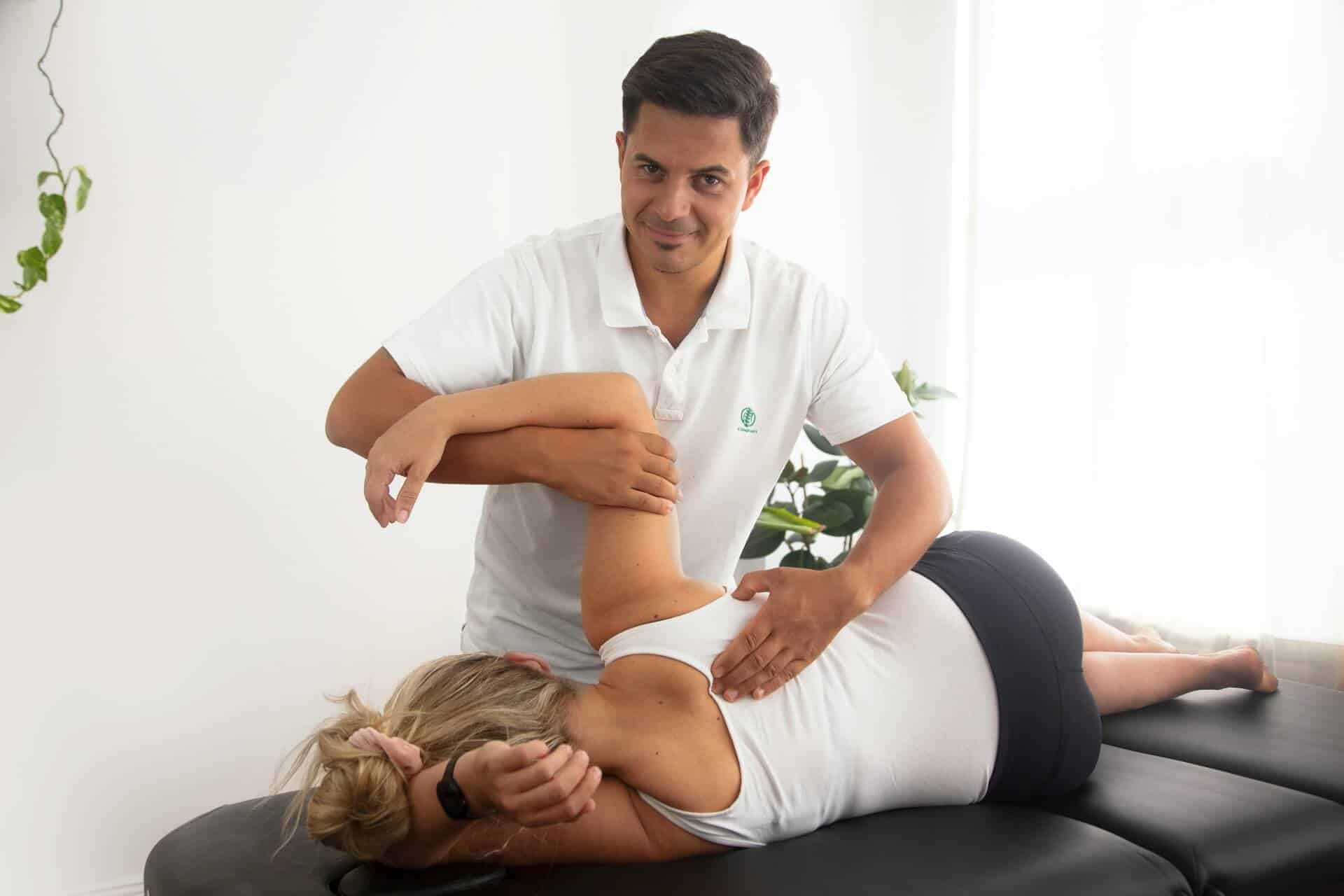
Physiotherapy focuses on movement and function. Physiotherapists are experts in understanding how the body moves. They analyze your movement to identify your restrictions and develop a plan to resolve them. Rather than just giving you strategies to manage pain, they address the root cause of your problems to eliminate it for the long-term.
The treatment plan is individualized and often incorporates hands-on techniques, personalized exercises, and modifying your movement to function in everyday life. The treatment plan is changed as your body changes.
Who Can Benefit
Physiotherapy is for everyone. Some common reasons people see a physiotherapist include:
Neck or back pain from everyday activities, like poor desk posture or awkward lifting.
Sprains and strains from everyday activities or sports.
Overuse injuries.
Pre- and post-surgical treatment (for example, joint replacement or ligament repair).
Joint stiffness and arthritis.
Aging-related decreases in balance and mobility.
Postural and repetitive strain problems from work or hobbies.
You should see a physiotherapist before painful problems become chronic. Often, addressing an issue early on leads to a shorter, easier treatment plan.
What will happen during your first visit
The initial appointment usually involves an interview. During this interview, the physical therapist will discuss with you your current symptoms, relevant medical history, lifestyle factors, and what you hope to achieve through treatment. After discussing these topics, the physical therapist will assess your posture, how well you move, how strong you are, and how flexible you are. They will then explain to you their thoughts on what may be causing your problem.
At that point, both you and the clinician can decide what steps should be taken. A quality clinician will describe why they are doing what they do, give you an idea of how long it takes to accomplish the goals established in the plan, and allow you to ask any questions you may have. It has been found by many people who understand their conditions that knowing about them decreases anxiety and increases their ability to follow through with the treatment.
The reason why the personal approach is so important.
As we know, two individuals who have received the same medical diagnosis may require vastly different types of health care. Factors such as age, physical condition/fitness, employment/occupation, and daily routines all influence how well a particular treatment strategy will work for an individual. For these reasons, many individuals find that they receive much better results from clinics that provide personalized physiotherapy treatments programs as opposed to those that provide general exercise sheets. An individualized program takes into consideration each person’s unique physical characteristics and schedule; therefore, it is likely to be adhered to more closely.
The Value of Evidence-Based Care
Healthcare advice can be confusing, and fads come and go. Look for a clinic that uses evidence-based physiotherapy care, meaning treatments chosen because research and clinical experience show they work. This approach helps you avoid spending time and money on methods with little proof behind them, and it keeps your recovery focused on techniques with a track record.
Ask your physiotherapist why they recommend a particular treatment and what outcome to expect. A confident, honest answer is a good sign.
Doing Your Part at Home
Sessions are only part of recovery. Much of the progress happens between appointments. You can improve your results by:
- Doing your prescribed exercises consistently, even when you start to feel better
- Pacing your activity rather than overdoing it on good days
- Moving regularly during the day, especially if you sit for long periods
- Reporting changes in symptoms so your plan can be adjusted
- Sleeping and eating well, since recovery depends on both
Small, steady effort usually beats occasional bursts of intense training.
Preventing Problems Before They Start
Physiotherapy also supports prevention. A short assessment can reveal weak muscles, tight joints, or movement habits that raise your risk of injury. Simple adjustments to your workstation, lifting technique, or exercise routine can make a real difference over time. Building strength, flexibility, and balance protects you well beyond the treatment room.
When to Seek Help Quickly
Mild aches often settle with rest and gentle movement, but some symptoms need prompt medical attention. Seek advice if you have severe pain after a fall, numbness or weakness that is spreading, pain that wakes you at night and does not ease, or any symptom that worries you. A qualified professional can tell you whether physiotherapy is the right first step.
Final Thoughts
Physiotherapy gives you tools to understand your body, recover from setbacks, and keep doing what you enjoy. Choose a clinician who listens, explains clearly, and builds a plan around your goals, then commit to the work between sessions. With the right support and consistent effort, many people find they move more freely and feel stronger than before.