
Back pain, stiff neck, and headache (reoccurring) are the primary causes for individuals seeking medical attention. Many of these conditions are related to the way in which we conduct ourselves in our daily lives; e.g., sitting at desks all day long, slumping over cell phones, sleeping poorly, and not moving enough. Chiropractic treatment is one alternative people use to alleviate pain and discomfort associated with these types of ailments. The purpose of this document is to explain what chiropractic treatment entails, who it will benefit and how to make informed decisions regarding its use.
The Work of a Chiropractor
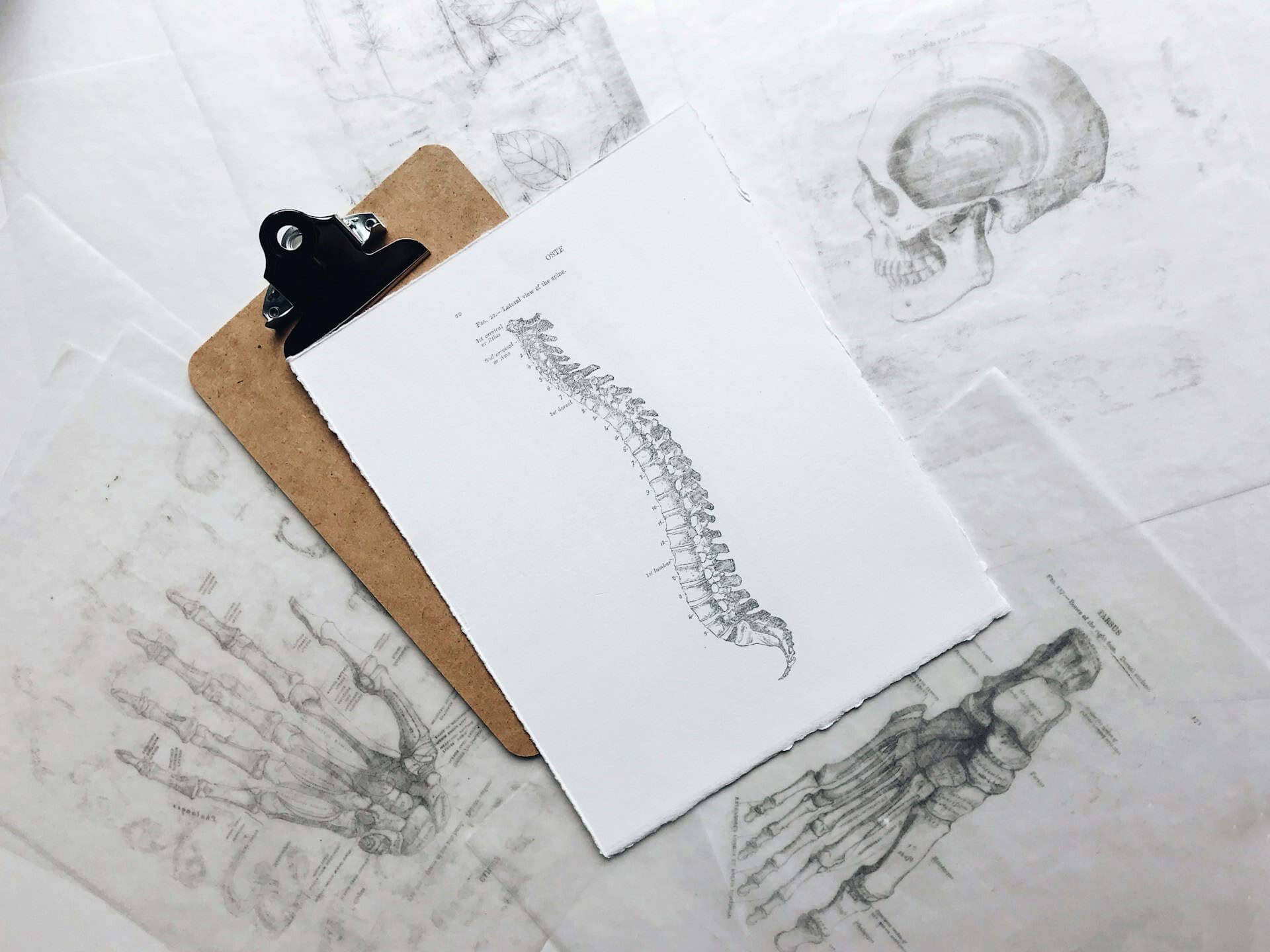
The emphasis of chiropractic care is on the musculoskeletal system (muscles and bones), particularly the spine and other joints, as well as the surrounding muscles and nerves. Chiropractors utilize a “hands-on” method of treatment. Once they have evaluated how your body functions mechanically, they will use methods that help increase joint movement, decrease muscle tension, and alleviate pain.
The most recognized treatment is a spinal manipulation; which is a quick, controlled motion used on a joint. However, many chiropractic practitioners will also provide you with soft-tissue treatment, stretching, exercise counseling, and lifestyle education. Therefore, when you come into the office, it’s very likely that you’ll be receiving more than simply “cracking” your joints.
Commonly Cited Reasons Why Individuals Seek Medical Attention
People use the services of a chiropractor for many reasons. Some examples are:
- The low back pain is caused by sitting, lifting, and sudden movement.
- Neck and shoulder pain from desk jobs, computer usage, etc.
- A tension-type headache that begins at the neck.
- Joint stiffness that restricts daily activities.
- The most common types of sports injuries are strains and overuses.
- Repeated patterns of use cause posture-related discomfort.
Chiropractic treatment has been found to be beneficial in helping some individuals manage their back and neck pain. However, there are no guarantees as to whether or not chiropractic treatment will work for everyone, and a professional chiropractor should inform you if there are better alternative treatments available.
How Your First Visit Works
The initial visit typically involves a discussion regarding what has been happening with you, including your symptoms, past health issues, job, physical activities, and desired outcomes. Following this, the chiropractor will assess your posture, flexibility, strength, and any other problem areas. An X-ray or similar imaging test is frequently suggested; however, it is often not necessary.
When leaving the office, you should be able to clearly identify why you think you are experiencing a particular issue, have a suggested course of action (treatment plan), and receive an idea as to how many times you will need to return. If you find yourself in the position of being given a treatment plan that seems unclear or is attempting to commit you to a long-term, pre-paid agreement, make sure to ask questions prior to signing.
I am looking to find a way to relieve my pain
When an ongoing ache interferes with your sleeping, working, or exercising, then seeking chiropractic care for pain relief would be appropriate; however, instead of using a standard treatment protocol for everyone, the best chiropractic plan will start by identifying the source of the pain and then developing a individualized treatment plan which may include both in-office treatments and home care instructions.
Understanding Your Treatment Options
Chiropractic treatment does not consist of only one type of treatment. A practitioner will select the appropriate method of treatment based upon the patient’s individual needs. Examples include using manual adjustments; gentle mobilization for those who would rather receive a lighter form of treatment; soft tissue release; and/or specific exercise programs. To determine if there are any differences among chiropractic treatments, find out what types of treatment methods are used; why each is suitable for the particular condition; and how success is being monitored.
All older adults, people who have had an osteoporotic fracture or condition, and individuals that have experienced any back issues in the past need to inform the practitioner of this when they first begin their treatment as well as throughout their treatment sessions. This is so that the practitioner may alter the use of the therapy to best fit the needs of each individual patient.
Helping Your Recovery Between Visits
Treatment works best when supported by daily habits:
- Move regularly. Stand up and stretch every 30 to 45 minutes if you sit for long periods.
- Set up your workspace. Keep your screen at eye level and your feet flat on the floor.
- Do the prescribed exercises. Short, consistent routines beat occasional long sessions.
- Lift with your legs. Keep loads close to your body and avoid twisting.
- Prioritize sleep. A supportive mattress and pillow help your spine recover overnight.
Safety; Urgent Medical Attention Required.
Chiropractic care is generally considered safe when performed by a qualified practitioner. Mild soreness or tiredness after a session is common and usually settles within a day or two. However, some symptoms need prompt medical attention rather than a routine appointment. Seek urgent help if you experience:
- Severe pain after a fall or accident
- Numbness, tingling, or weakness that is spreading
- Loss of bladder or bowel control
- Sudden, severe headache or difficulty speaking
- Chest pain, fever, or unexplained weight loss alongside back pain
Choosing the Right Practitioner
Quality matters, so look for these signs of a good clinic:
- Proper registration and credentials
- A thorough assessment before treatment begins
- Clear explanations in plain language
- Realistic goals and honest timeframes
- Willingness to refer you to another professional when appropriate
Be cautious of anyone who promises to cure unrelated conditions or insists on long-term treatment before examining you.
Final Thoughts
Chiropractic treatment may be a valuable component in the management of pain associated with the back, neck, and joints; particularly in conjunction with active movement, proper posture, and daily routines that promote wellness. When selecting a practitioner, it is important to find someone who will listen to you, clearly explain their assessment of your condition, and develop a treatment plan focused on achieving your specific health objectives. Be actively involved in your ongoing care throughout each appointment cycle and consult your primary care physician if you experience extreme pain or if you do not notice any improvement after several treatments. Many people find that making consistent, gradual adjustments to their lifestyles can lead to significant improvements in their overall quality of life.