
Garden design has come a long way in recent years. What used to be a space for lawnmowers and flowerbeds is now seen as an extension of the home — a place to relax, entertain, and express your style. With this shift has come a wave of new outdoor design trends, and one that’s really caught on is slatted cladding.
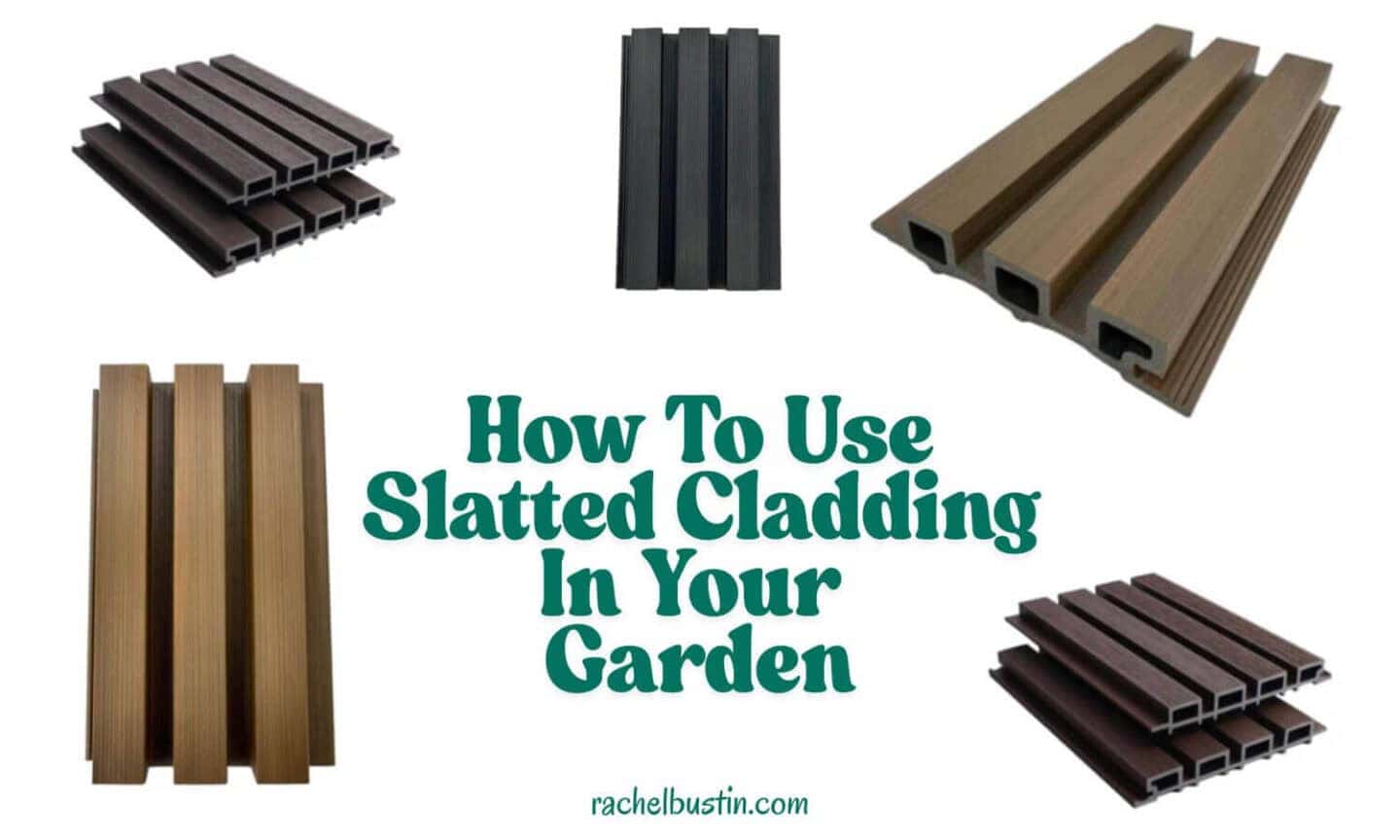
Simple, sleek, and surprisingly versatile, slatted panels can transform an ordinary garden into a more defined and visually appealing space. Whether you’re refreshing a tired fence or creating a modern feature wall, this trend is as practical as it is stylish.
What Is Slatted Cladding and Why Is It So Popular?
Slatted cladding consists of evenly spaced horizontal or vertical panels, often made from timber or composite materials. The look is clean and contemporary, making it a favourite for those wanting to add structure or interest to their garden without going over the top.
Unlike solid fencing, the gaps between the slats allow light and air to pass through, giving a sense of openness while still offering privacy. It’s a smart way to zone off areas, hide less attractive corners, or add contrast to leafy textures and soft landscaping.
One reason it’s catching on is that it’s suitable for almost any size or style of garden. Whether you’ve got a large outdoor space or a compact patio, slatted cladding can help you create definition and depth without taking up too much room.
Aesthetic Advantages in the Garden
From a design point of view, slatted cladding ticks a lot of boxes. It has a neat, modern feel that instantly updates outdoor areas, and it blends beautifully with both natural and man-made materials.
Here are just a few ways it can enhance your garden:
- Framing and Focus: Use it behind a seating area or planter to create a visual focal point and bring structure to your layout.
- Mixing Textures: Pair slatted panels with stone, gravel, or lush greenery for a look that feels both designed and organic.
- Cohesive Style: Match your fencing or screen with garden furniture for a more pulled-together finish, especially in contemporary settings.
- Vertical Interest: In smaller gardens, using cladding to create vertical height can make the space feel bigger and more layered.
It’s a subtle but effective way to make your garden feel more intentional, without the need for a full-scale landscaping project.
How to Use Slatted Cladding in Your Own Garden
Adding slatted panels doesn’t have to mean starting from scratch. In fact, many people incorporate them gradually — one wall, screen, or feature at a time. Here are some beginner-friendly ideas to try:
- Create a Cosy Corner: Use cladding to define a little nook for reading, lounging, or sipping a coffee outdoors.
- Upgrade Existing Boundaries: Attach slatted panels to tired fencing or walls to give them a new lease of life.
- Hide the Clutter: Conceal bins, storage areas, or garden tools behind a panel for a more polished look.
- Grow Upwards: Combine cladding with hanging pots or climbing plants for an easy vertical garden effect.
- Use as a Backdrop: Let your flowerbeds or planters pop by placing them in front of a neutral-toned panel.
For most projects, basic DIY tools and a weekend are all that’s needed. Composite options also tend to require less upkeep than traditional timber, which means your upgrade will keep looking good with very little effort.
A Simple Way to Refresh Your Outdoor Space
Whether you’re planning a full garden makeover or just want to improve a single spot, slatted cladding is a great place to start. It’s affordable, DIY-friendly, and stylish enough to give your outdoor area a lift — without needing to be an expert.
With just a few panels and a bit of imagination, you can create something that feels fresh, modern, and completely your own. So if your garden is looking a bit tired, now might be the perfect time to give slatted cladding a go.