
Hosting a major celebration brings plenty of excitement, but feeding dozens of guests can feel difficult. Planning a large meal requires smart organization, clear timelines, and practical strategies.
With a thoughtful plan, hosts can keep guests satisfied without spending the entire day in the kitchen. Here is how to keep meal prep simple, manageable, and enjoyable for everyone involved.
Set Your Overall Budget Early
Determining your total spend upfront prevents mid-planning surprises and guides every culinary choice. Allocating funds across appetizers, main courses, drinks, and rentals maintains control over your wallet. A clear financial baseline makes picking ingredients much simpler.
Food and beverage expenses account for an average of 36% of total event budgets for large gatherings. Knowing this baseline figure allows organizers to adjust portion sizes and menu complexity early in the process.
Setting aside 10% of the food fund for unexpected costs keeps the budget intact. That safety buffer covers extra ice, last-minute headcount shifts, or quick supply runs during the event.
Choose Smart Service Styles
Feeding dozens or hundreds of guests requires a setup that keeps lines moving quickly. Finding dependable large group catering solutions can help coordinate food service for large events. The right approach stops bottlenecks before they start and keeps everyone well-fed. It saves hosts from spending the entire party stuck behind a serving tray.
Plated meals work well for formal gatherings, but self-serve setups fit relaxed celebrations much better. Buffets let guests choose their own portion sizes, reducing leftover waste on plates. Guests enjoy choosing their favorite items at their own pace.
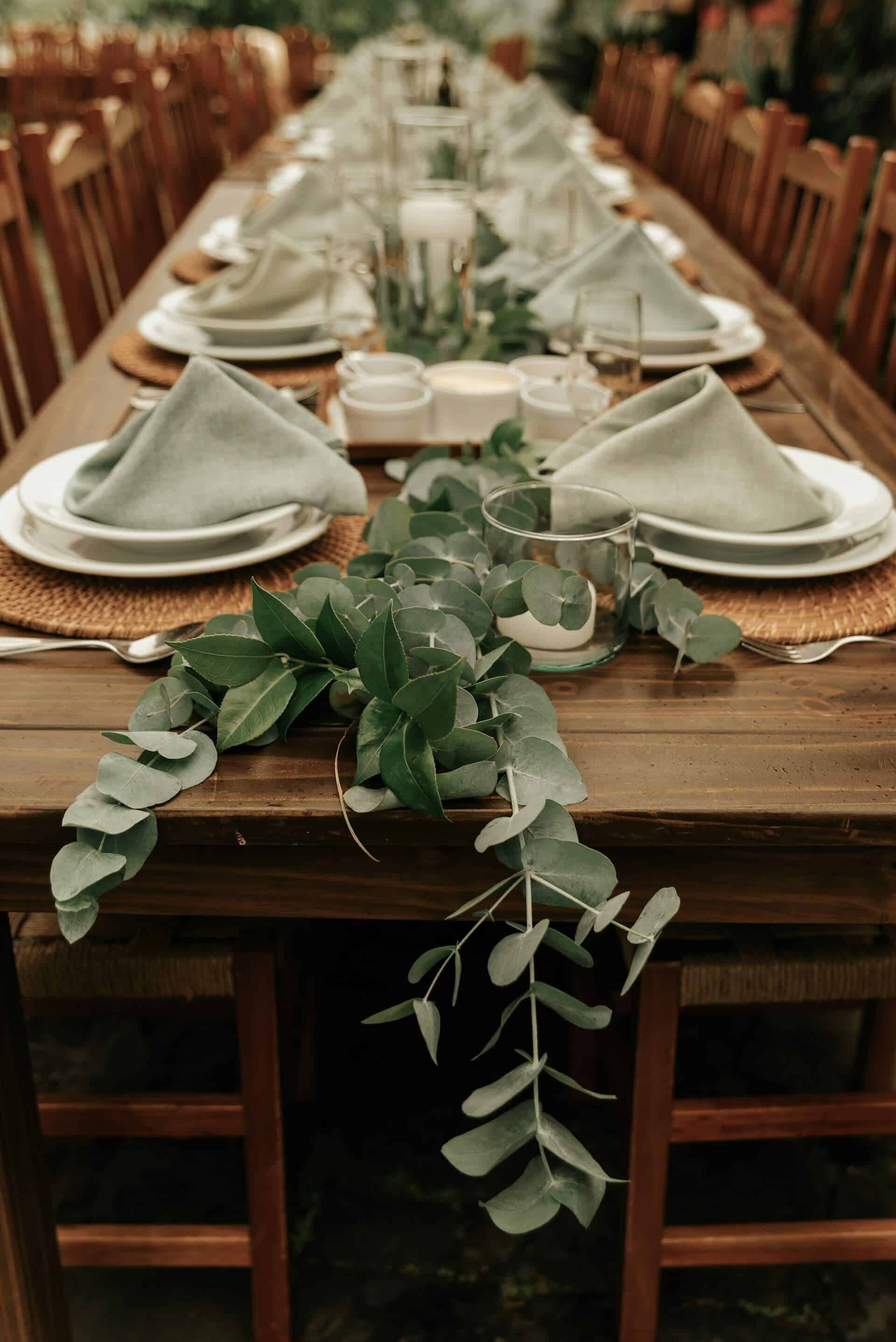
Family-style dining offers another great alternative for medium-sized groups at long tables. Passing large platters creates a warm, communal feel and avoids long lines at a central table.
Simplify Serving Lines with Food Stations
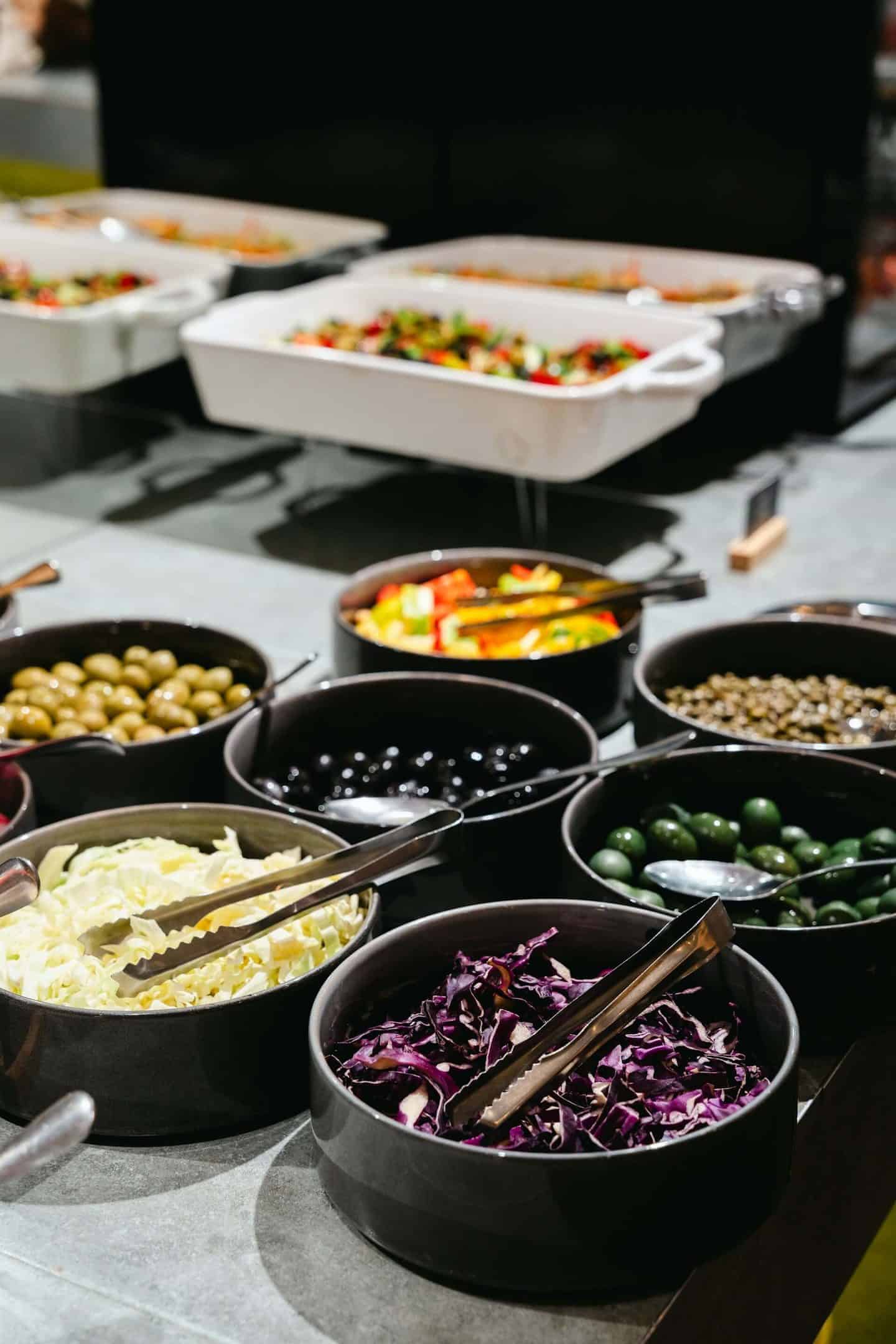
Single buffet lines create long wait times when serving 50 or more people. Splitting the dining space into multiple themed stations keeps guest movement smooth throughout the room. Spread-out setups encourage casual mingling during meal times.
Published findings on large-scale event dining indicate that selecting self-service station setups can improve guest flow speed by 40% during peak meal times. Placing salad stations, carving stations, and dessert bars in different areas prevents crowd density near the main entrance.
Duplicating identical buffet lines on opposite sides of the venue immediately doubles throughput. Guests appreciate fast access to food, and the entire event maintains a lively momentum.
Lock Down Your Headcount Timeline
Guest headcount drives your food quantities, prep schedule, and total grocery bill. Setting a clear RSVP deadline two weeks prior gives hosts ample time to organize ingredients without stress. Having an accurate list prevents overbuying unnecessary groceries.
Group dining efficiency demonstrates that accurate headcount confirmation 72 hours before an event reduces unexpected food waste by nearly 20%. Finalizing numbers three days before the gathering allows kitchen staff to purchase exact quantities.
Contacting unconfirmed guests a few days before the deadline prevents unexpected arrivals. Having a precise guest count guarantees everyone receives a full portion so they won’t run out of popular dishes.
Simplify the Menu Options
Offering too many menu choices increases kitchen workload and slows down prep time. Focusing on two main protein choices and three versatile sides keeps preparation streamlined. A focused menu allows for higher quality execution on every plate. Here are practical strategies for building an efficient menu:
- Pick dishes that hold temperature well in warming pans over extended periods
- Serve room-temperature side dishes to free up valuable oven space
- Choose ingredients that work for multiple dietary needs, such as gluten-free grains
- Select recipes that allow advance assembly 24 hours before service
Preparing complex dishes on the day of the party creates unnecessary tension. Batch-cooked meals like braised meats, baked pasta, or roasted vegetables scale up easily for large crowds.
Plan Equipment and Space Layouts
Serving large groups requires adequate holding equipment to maintain safe food temperatures throughout the gathering. Chafing dishes, Sterno, insulated transport boxes, and slow cookers keep hot dishes fresh for hours. Having the right tools prevents cold food and safety issues.
Renting serving gear proves more economical than buying items you might only use once a year. Rental companies deliver polished platters, serving tongs, and heating trays directly to your location. Returning unwashed dishes to rental providers saves post-party cleanup time.
Prep Non-Perishables and Logistics in Advance
Tackling non-cooking tasks days ahead frees up precious hours on event day. Setting tables, arranging signage, and counting glassware 48 hours prior keeps host stress levels low. Early prep allows you to spend event morning focusing purely on hot food.
Chilled beverages can be stocked in coolers with ice the evening before the main event. Setting up trash receptacles and recycling bins near exit doors makes post-party cleanup quick and effortless. Drafting a written timeline for cooking, heating, and serving keeps all kitchen helpers aligned.
Taking time to organize logistics early leaves hosts free to savor the special occasion right alongside their guests. With the right strategies in place, feeding a crowd becomes a rewarding highlight of any celebration.