
If you haven’t enjoyed the local craft cheeses, seasonal veggies, bountiful fruits, and freshly baked bread at your local farmer’s market, you’re really missing out – not only on a delicious opportunity, but also on a chance to support your local economy.
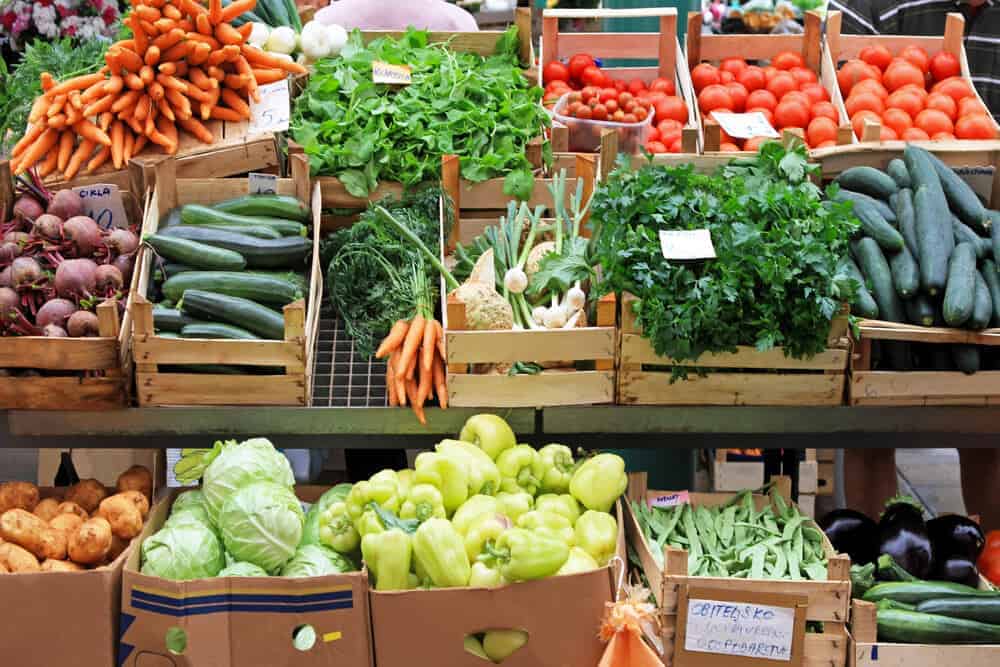
Eating locally is better for your family’s health and the environment, too. Here’s why your family should be eating food that has been grown and produced right in your own community.
1. Eating Local is a Learning Opportunity
Shopping at farmer’s markets, farm stands, and local food co-ops will likely introduce you to all sorts of new foods that are grown in your local area. It’s a wonderful way to teach your kids about the food history and farming practices of your local agricultural community.
Walking through the local market gives you the opportunity to talk to your kids about how cheese is made, how flour is milled, or how AI has been used in agriculture to grow food more efficiently. From hydroponically grown salad greens to teas made from locally foraged plants, there are tons of interesting products to learn about.
You might even discover a new favorite ingredient or food… or an amazing new growing method to try in your home garden. Many times, you’ll find things you’ve never seen at the grocery store, like pattypan squash or Romanesco broccoli.
2. Local Food is Tastier
Locally grown food hasn’t traveled across the country, or even across the globe, to get to your local grocery store. That means it’s much fresher. And the fresher the food is, the better it tastes.
If you’ve ever indulged in a perfectly ripe, fresh from the vine tomato, you know exactly what I mean. Local produce is harvested within a day or two of being sold… sometimes even on the morning of the farmer’s market.
Locally grown produce has been allowed to stay on the plant longer, which means it will last longer in your fridge. And thanks to hydroponics, AI, and indoor vertical farming, local produce can be grown in ideal growing conditions, so it’s often juicier and sweeter, too.
And the benefits of eating locally extend far beyond fruits and vegetables. Buying meat, eggs, dairy products, and baked goods from local farmers and producers means they’re fresher and tastier, too. Not only is locally grown food a treat for your taste buds, but it’s also more enjoyable to cook with.
3. Local Food is More Nutritious
Did you know that fruits and vegetables lose a lot of their nutritional value when they’re transported from far away and left sitting at your local grocery store for days or longer?
For example, water-soluble antioxidants like vitamin C are extremely important for the immune system and healing. In fact, all antioxidants fight free radicals, which cause disease and premature aging. But most begin to degrade almost immediately after fresh fruits and vegetables are harvested.
In fact, many of the vitamins and minerals in fruits and vegetables degrade in storage, too. The fresher your produce is, the higher its nutrient content. While shopping local may not always be an option, you’ll get the best nutrition from locally grown options.
4. Shopping Local is Better for the Environment
Supporting local farmers and food producers has multiple benefits for the environment, too. Since it doesn’t have to be transported by plane or truck from far away, it produces fewer carbon emissions and less pollution.
And food that has to travel over great distances requires protective packaging. But when you shop at local farmer’s markets, the food is often sold with minimal or no packaging. You can even bring your own reusable bags to take your food home. This minimizes waste and keeps packaging materials out of the landfill.
As an added bonus, locally grown food usually isn’t processed in big factories, further minimizing pollution and waste. And you can choose to purchase only from local farmers who use sustainable growing practices to protect pollinators and the planet.
5. Eating Local Supports the Local Economy
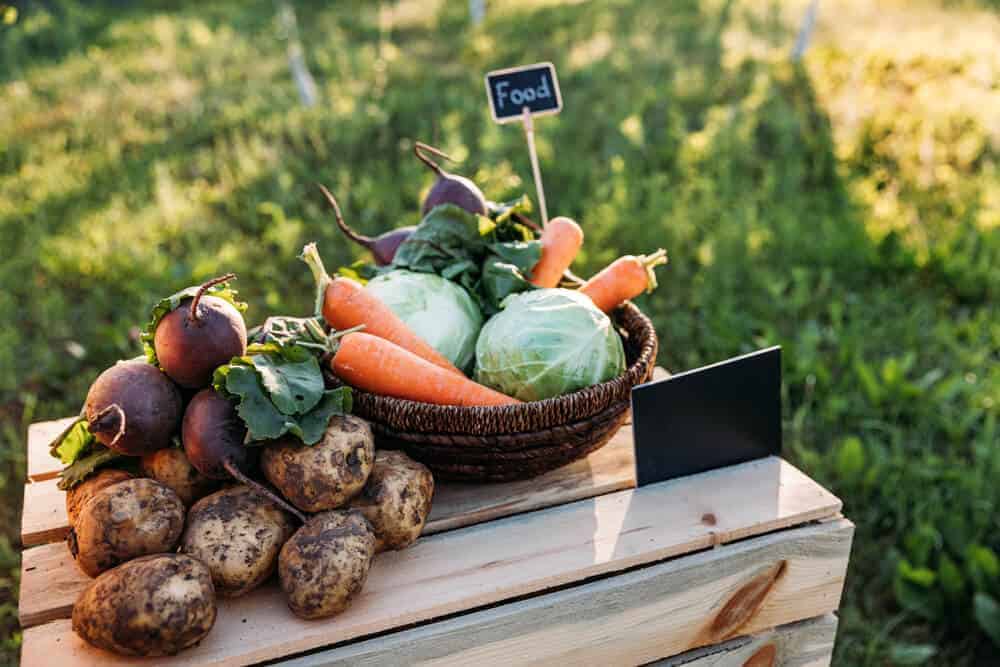
When you shop and eat locally, your money stays in your local economy. Not only does it support local farmers, but it also increases job opportunities in your area.
For example, farmers have to hire employees to help plant, harvest, transport, and market their crops. It also adds jobs in other areas, like equipment repair and sales, which further reinforces your local economy.
And don’t forget that supporting local farmers and their employees means that they will also have more money to spend locally. Their income will cycle back into other local businesses, which means everyone benefits.
6. Eating Local Teaches You Where Food Comes From
One of the best things about shopping for local food is making connections with local farmers and producers. Building relationships with the people who actually grew and produced your food creates a strong sense of community.
It also gives you an opportunity to learn where your food comes from and how it was grown or made. This gives you a deeper appreciation for your food. It reinforces a healthy relationship with food and encourages mindful eating.
Forming such connections can even evoke positive emotions and create lasting memories, just like that favorite family recipe your mum used to make.
Wrapping Things Up: Eating Local is Easier Than You Think
If eating local food sounds like a good move for your family, you’ll be happy to know that it’s easy to do.
The best ways to shop local are:
- Stopping by your local farmer’s market or farm stand
- Joining a local food co-op
- Purchasing a CSA share
- Eating at farm-to-table establishments in your area
- Talking to your grocery store manager about carrying more locally grown foods
Eating local isn’t only about your family’s health and the quality of your food. It also has a host of benefits for your community and the environment.