
You’ve probably seen pistachios everywhere lately, from grocery store endcaps to smoothie bowl toppings. But are they actually worth reaching for on a regular basis, or is this just another snack trend riding a wave of hype? Let’s look at what the research actually says.
If you’re on the fence about whether to spend a little more for buying organic pistachios versus the conventional bag, that decision matters less nutritionally than you might think. Both versions offer the same core benefits. The bigger question is whether pistachios deserve a spot in your daily rotation at all, and the evidence leans strongly in their favor.
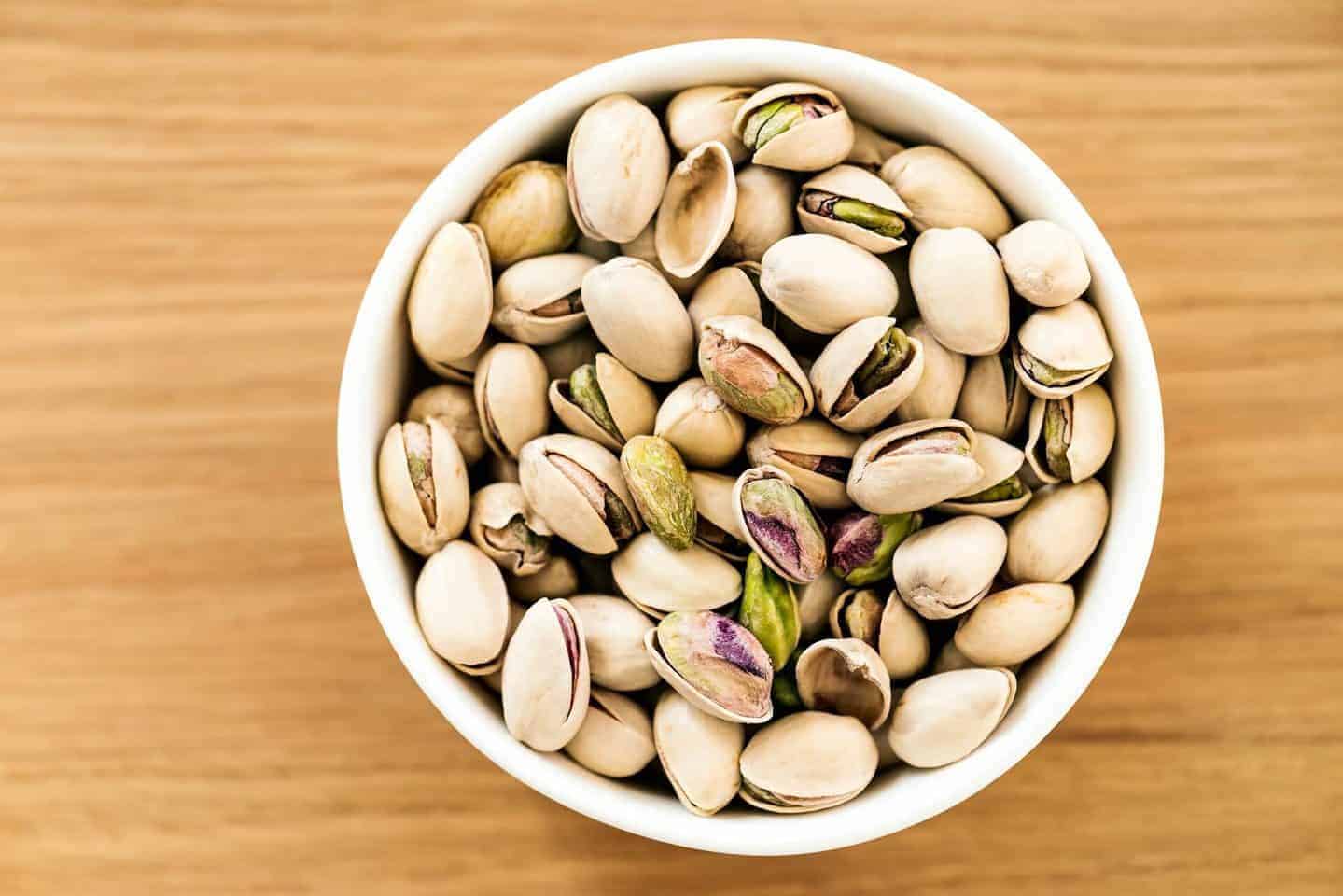
What Makes Pistachios Nutritionally Different
Pistachios stand out among nuts for a few reasons. They’re lower in calories per serving than almonds or cashews, and they pack in more protein and fiber than most people expect.
A one-ounce serving (about 49 pistachios) gives you:
- Roughly 6 grams of protein
- 3 grams of fiber
- Healthy unsaturated fats
- Potassium, vitamin B6, and antioxidants like lutein
That protein-to-calorie ratio is part of why nutritionists often point to pistachios as a smarter snack choice than chips or crackers. You get real staying power without loading up on empty calories.
The Heart Health Connection
You’ve likely heard that nuts are good for your heart, but pistachios have some specific research behind them. Several studies suggest they can help lower LDL cholesterol, the kind linked to heart disease. The fats in pistachios are mostly monounsaturated and polyunsaturated, which support healthier cholesterol levels compared to saturated fat sources.
There’s also decent evidence they help with blood pressure. One study found that eating pistachios regularly reduced blood pressure response during stress, which is a pretty interesting finding if you’re someone who snacks while working through a hectic day.
Blood Sugar and Weight Management
Here’s something that surprises people. Despite being calorie-dense, pistachios are often associated with better weight management, not worse. The fiber and protein combo helps you feel full longer, so you naturally eat less later.
They also have a low glycemic index. That means they don’t spike your blood sugar the way many packaged snacks do. For people managing diabetes or insulin resistance, this makes pistachios a genuinely useful option rather than just a “fine in moderation” food.
The Shell Factor Actually Helps
This one’s easy to overlook. Buying pistachios in the shell isn’t just tradition; it actually slows you down. Cracking each shell takes time, which naturally paces your eating.
Some research has found that people who eat shelled pistachios consume noticeably fewer calories than those eating pre-shelled nuts, simply because the process forces a pause between bites. It’s a small thing, but it adds up.
Things to Keep in Mind
Pistachios aren’t perfect for everyone. They’re high in calories, so portion control still matters if weight loss is your goal. They also contain FODMAPs, which can cause digestive discomfort for people with IBS.
And if you’re buying flavored or heavily salted varieties, you’re adding sodium and sugar that offset some of the benefits. Plain, roasted, or raw pistachios are your best bet.
The Takeaway
Pistachios hold up well under scientific scrutiny. They support heart health, help manage blood sugar, and offer a satisfying protein-and-fiber combo that most snack foods can’t match. Keep portions in check, watch for added salt or sugar, and pistachios can absolutely earn a regular spot in your snack rotation.