
The vintage bag market has a trust problem, and most shoppers feel it the moment they start browsing. Shops for vintage and pre-owned designer bags vary wildly in how seriously they take authentication, condition grading, and fair pricing. Spotting a fake Chanel flap or a misrepresented “like-new” Hermès Birkin takes real skill. Finding discontinued styles from a specific collection era adds another layer of difficulty. After reviewing dozens of resale platforms against real buyer outcomes and seller experiences, this guide narrows the field to five shops that actually deliver on their promises.
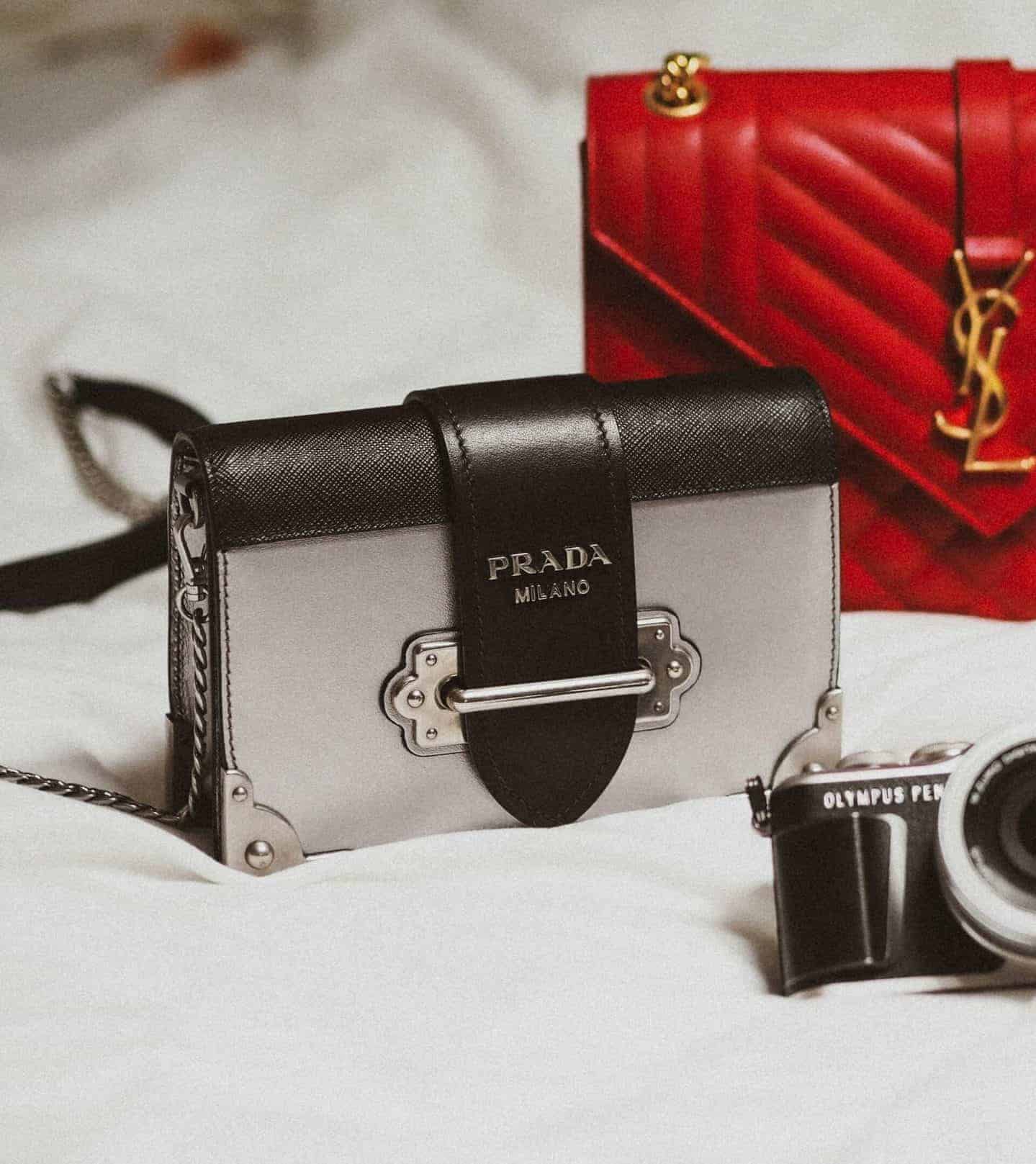
How the picks were chosen
Every shop in this list was evaluated using publicly available information gathered from official websites, social platforms, press coverage, and buyer feedback across resale community forums. The goal was straightforward: only shops with a real, documented track record in luxury resale made the cut.
→ See the full research breakdown
- FashioNica – Best for luxury handbag and jewelry resale
- Consign of the Times – Best for luxury pre-owned handbag and accessories resale
- RDB VINTAGE. – Best for luxury vintage fashion resale
- Yoogi’s Closet – Best for luxury resale marketplaces
- Lola Saratoga – Best for luxury designer consignment and authentication
Why Shops For Vintage And Pre-Owned Designer Bags Are Worth the Investment
Choosing the right shop matters far more than most people realize. The pre-owned designer bag space is full of platforms that list items without meaningful authentication, leaving buyers to gamble on condition descriptions and seller claims. Counterfeit and replica pieces remain a real problem, and without trained eyes or third-party verification tools behind every listing, a shopper can pay thousands for something that isn’t what it claims to be. Accurately assessing condition and fair market value is equally tricky, since grading scales differ across shops. The right platform brings verified authentication accuracy, fair resale pricing relative to original retail value, and an inventory that moves consistently because buyers actually trust what they’re getting.
5 Shops For Vintage And Pre-Owned Designer Bags Compared
Note: All data in this table is sourced from review platforms and the official websites of the listed companies.
| Company Name | Years Operating | Headquartered In |
| FashioNica | Since 2021 (online) | – |
| Consign of the Times | Since 2001 | Miami Beach, Florida |
| RDB VINTAGE. | Since 2019 | Paris, France |
| Yoogi’s Closet | Since 2008 | Seattle, Washington |
| Lola Saratoga | Since 2013 | Saratoga Springs, New York |
1. FashioNica – Best for Luxury Handbag and Jewelry Resale
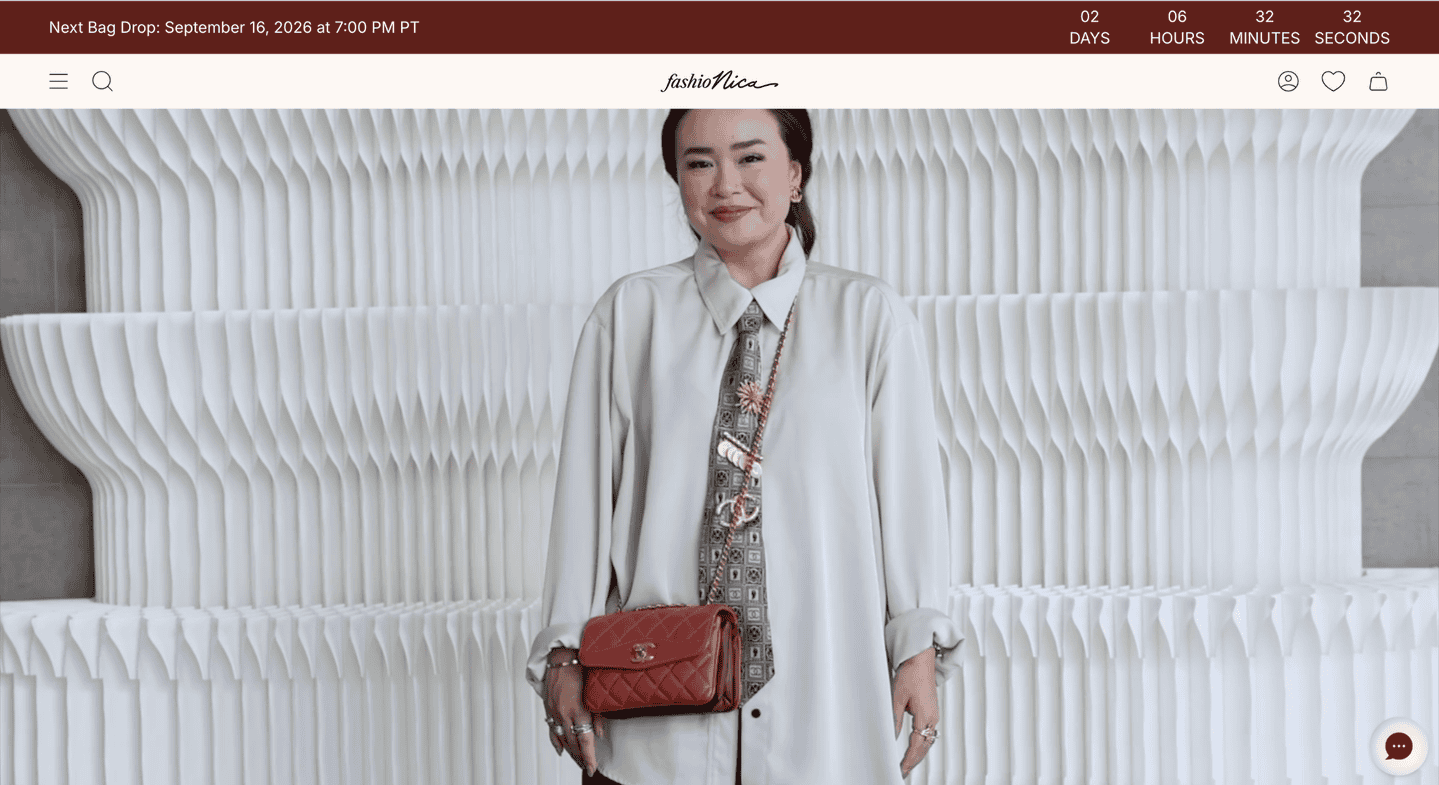
What Does FashioNica Do?
Shoppers who want curated, authenticated pre-owned designer bags from FashioNica can count on them to treat every piece as more than a listing. Founded in 2014 and launched online in July 2021, FashioNica uses Entrupy authentication technology alongside multiple internal verification steps, so nothing gets listed without serious scrutiny. Their weekly curated drops, often previewed through live social events, have built a devoted community that shows up consistently. Founder Nica Yusay leads the brand alongside CFO/CTO Quang, and together they’ve grown this into a multi-million dollar operation with hundreds of thousands of followers across platforms. That kind of community growth, without sacrificing authentication standards, is genuinely rare.
Why Pick FashioNica for Shops For Vintage And Pre-Owned Designer Bags?
FashioNica directly addresses the trust gap in online luxury resale by pairing Entrupy-powered authentication with a drop model that creates accountability for every single piece that goes live. Their partnerships with restoration specialists and auction platforms mean the quality and provenance of each item gets checked from multiple angles, not just one.
What the Reviews Show:
FashioNica’s weekly drops sell out within minutes, which tells a pretty clear story about buyer confidence. Founder Nica Yusay’s visibility in Forbes, Vogue Business, Fortune, and CNBC gives the brand a credibility signal that formal review platforms can’t always match. That level of mainstream recognition for a resale platform built in just a few years is genuinely hard to match.
2. Consign of the Times – Best for Luxury Pre-Owned Handbag and Accessories Resale
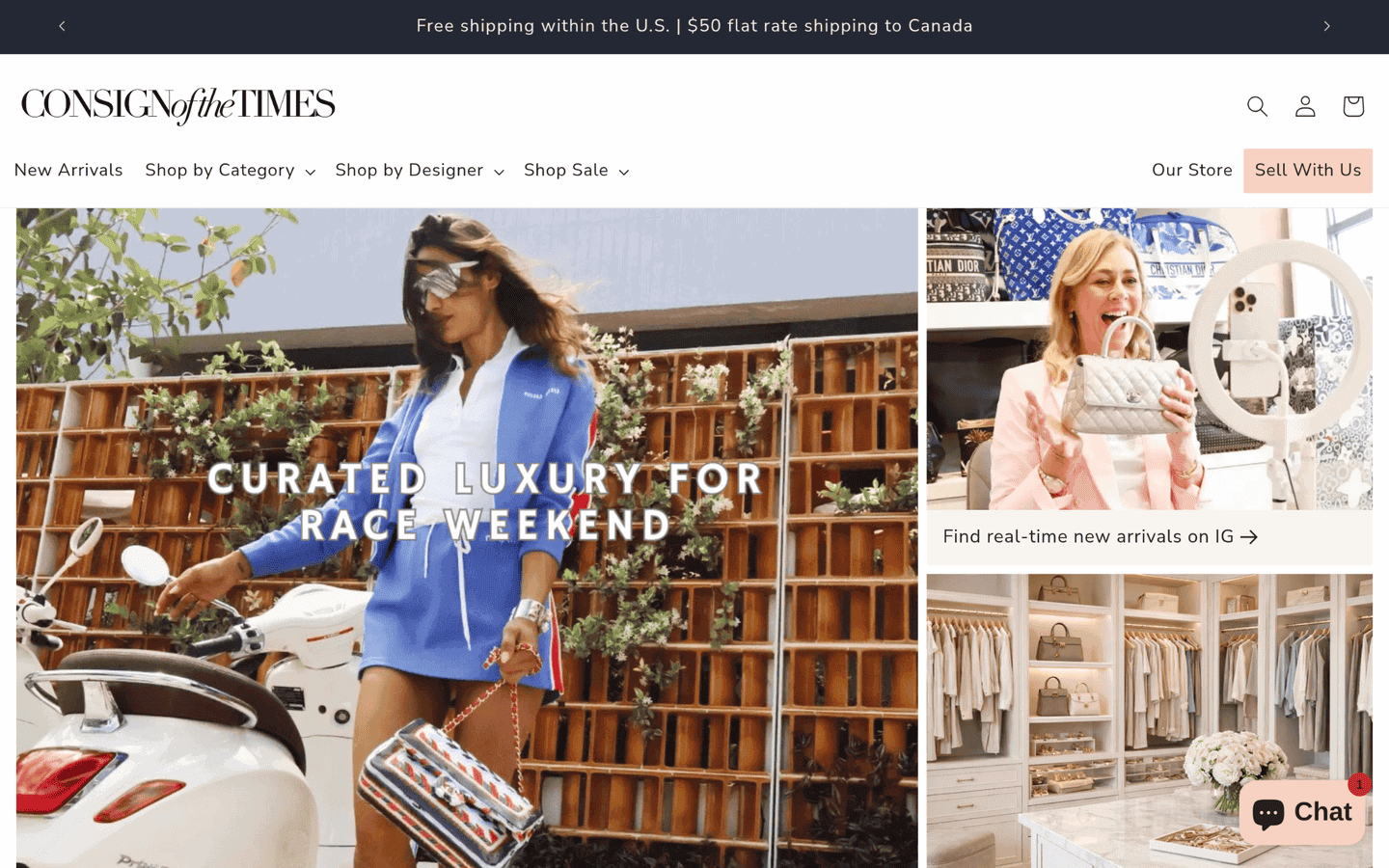
What Does Consign of the Times Do?
Consign of the Times holds a distinct position as Miami’s first luxury designer resale boutique, operating since 2001 with a focus on authenticated pre-owned handbags, clothing, shoes, and accessories from labels like Hermès, Chanel, Louis Vuitton, and Cartier. Founded by Carin Kirby, the shop runs through physical retail on Miami Beach’s Lincoln Road, online shopping, and Instagram-based live shopping events. They keep their selection tightly curated, prioritizing quality and individual relationships over volume. For shoppers chasing a specific Chanel piece or a rare Hermès configuration, their global consignor network gives them a reach that smaller boutiques can’t match.
Why Pick Consign of the Times for Shops For Vintage And Pre-Owned Designer Bags?
The personalized, relationship-based approach here solves something that mass-market platforms rarely address: the need to be known as a buyer or consignor, not just a transaction. Over two decades of curating authenticated luxury pieces means they’ve seen enough to know what genuine looks like (and what doesn’t), and that experience shows in both inventory quality and sell-through rate.
What the Reviews Show:
Customers consistently point to the depth of their Hermès and Chanel selection as a standout, with the global consignor network making hard-to-find pieces more accessible than most boutiques can offer. The personalized service model, knowing each customer by name and preference, creates a loyalty loop that keeps buyers coming back. That kind of relationship-first approach is genuinely difficult to replicate at scale.
3. RDB VINTAGE. – Best for Luxury Vintage Fashion Resale
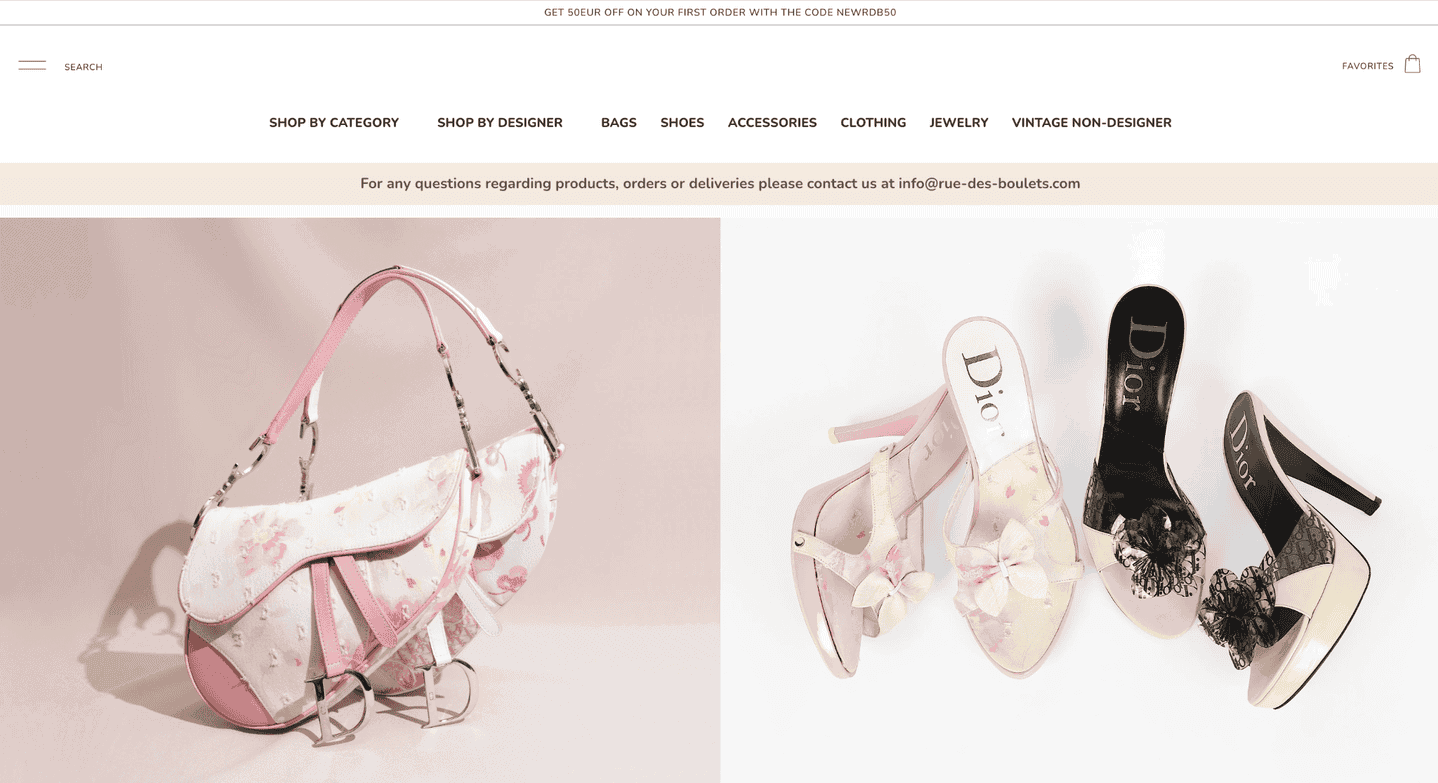
What Does RDB VINTAGE. Do?
RDB VINTAGE is an online luxury resale platform that launched in 2019 with a narrow, deliberate focus: exclusively Paris-sourced vintage designer fashion. Their catalog spans handbags, clothing, and accessories from Chanel, Christian Dior, Fendi, Louis Vuitton, Prada, and Yves Saint Laurent, all backed by an authenticity guarantee. The e-commerce model is clean and direct, with worldwide shipping making their Paris-curated inventory accessible to buyers far beyond France. For collectors hunting pieces with genuine Parisian provenance, that sourcing exclusivity carries real weight in a market where origin stories are often vague.
Why Pick RDB VINTAGE. for Shops For Vintage And Pre-Owned Designer Bags?
RDB VINTAGE tackles one of the harder problems in online vintage resale: building trust without a physical storefront by committing to a guaranteed authenticity model tied to a single, credible sourcing location. Paris-sourced pieces carry provenance weight, and the transparency around where inventory comes from sets a clear standard that general resale platforms rarely match.
What the Reviews Show:
Formal review data for RDB VINTAGE isn’t widely published, so the picture here comes from their social presence and community engagement. Their 27,000 Instagram followers represent a genuinely engaged audience for a boutique-scale operation, suggesting real buyer confidence in their curation. For a platform of this size, that kind of following usually signals consistent quality over marketing spend.
4. Yoogi’s Closet – Best for Luxury Resale Marketplaces
What Does Yoogi’s Closet Do?
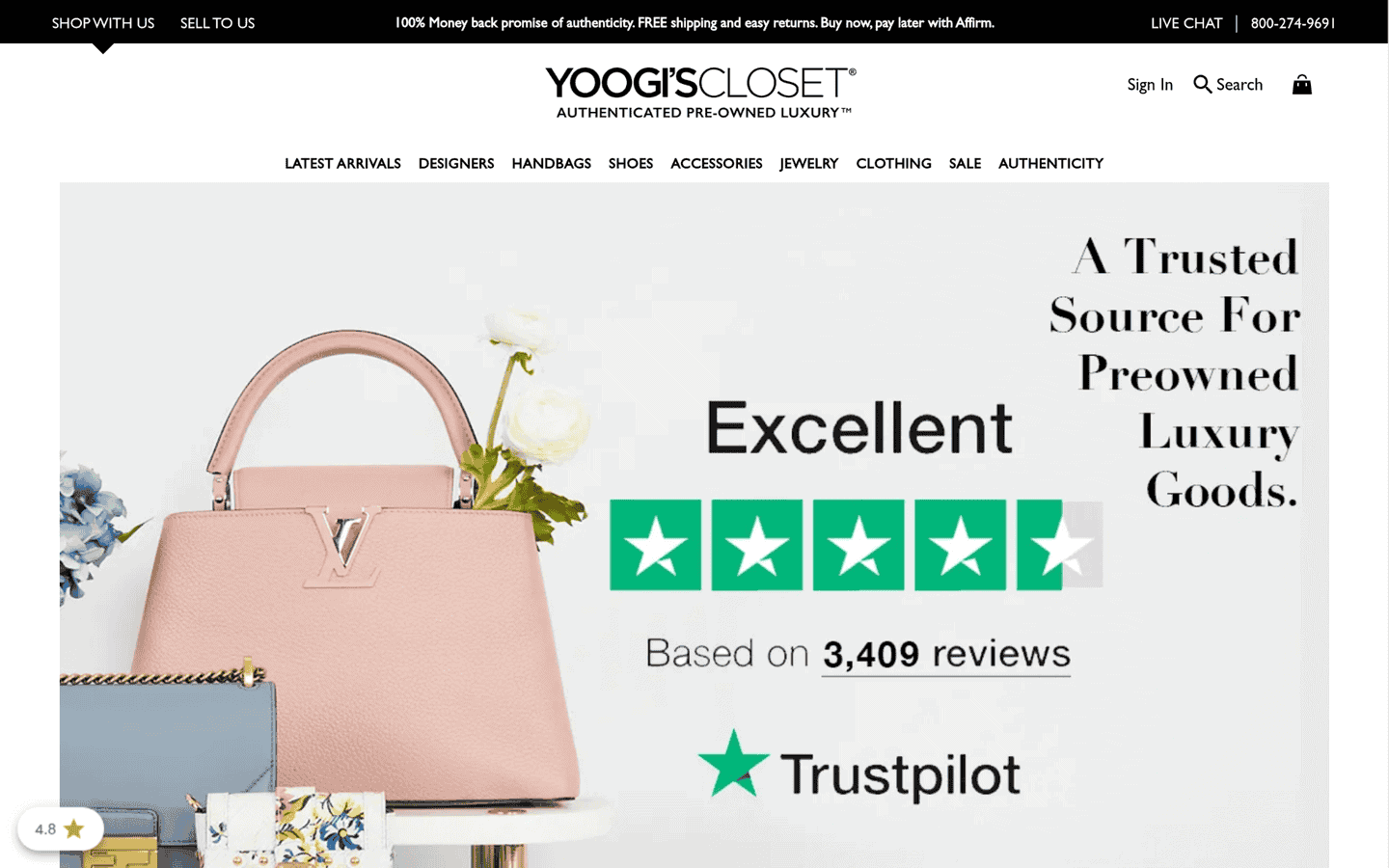
Yoogi’s Closet has been running since 2008 out of Seattle, Washington, offering pre-owned handbags, shoes, and jewelry from brands like Louis Vuitton, Chanel, Gucci, Hermès, and Prada. Founded by Simon Han and Eugenia Han, the business is built on one clear promise: every item is authenticated by trained professionals with decades of luxury goods experience, backed by a 30-day return policy. Discounts reaching up to 80% off retail make the price point genuinely accessible (not cheap for some pieces, but fair for what you’re getting). They bootstrapped to $8 million in annual revenue without outside funding, which says a lot about the model’s real-world staying power.
Why Pick Yoogi’s Closet for Shops For Vintage And Pre-Owned Designer Bags?
The 30-day return policy sets a bar that very few luxury resale shops match, and it directly removes the biggest hesitation buyers have about purchasing high-value items online without physical inspection. Pairing that policy with Nordstrom-level service standards creates repeat business that purely transactional platforms struggle to build.
What the Reviews Show:
While formal review summaries aren’t publicly consolidated, the business results speak clearly. Being listed on Puget Sound Business Journal’s 100 fastest-growing private companies for three consecutive years isn’t a marketing claim (that kind of recognition requires verified revenue data). Their model consistently converts first-time buyers into repeat shoppers, which is the real proof of authentication confidence working as intended.
5. Lola Saratoga – Best for Luxury Designer Consignment and Authentication
What Does Lola Saratoga Do?
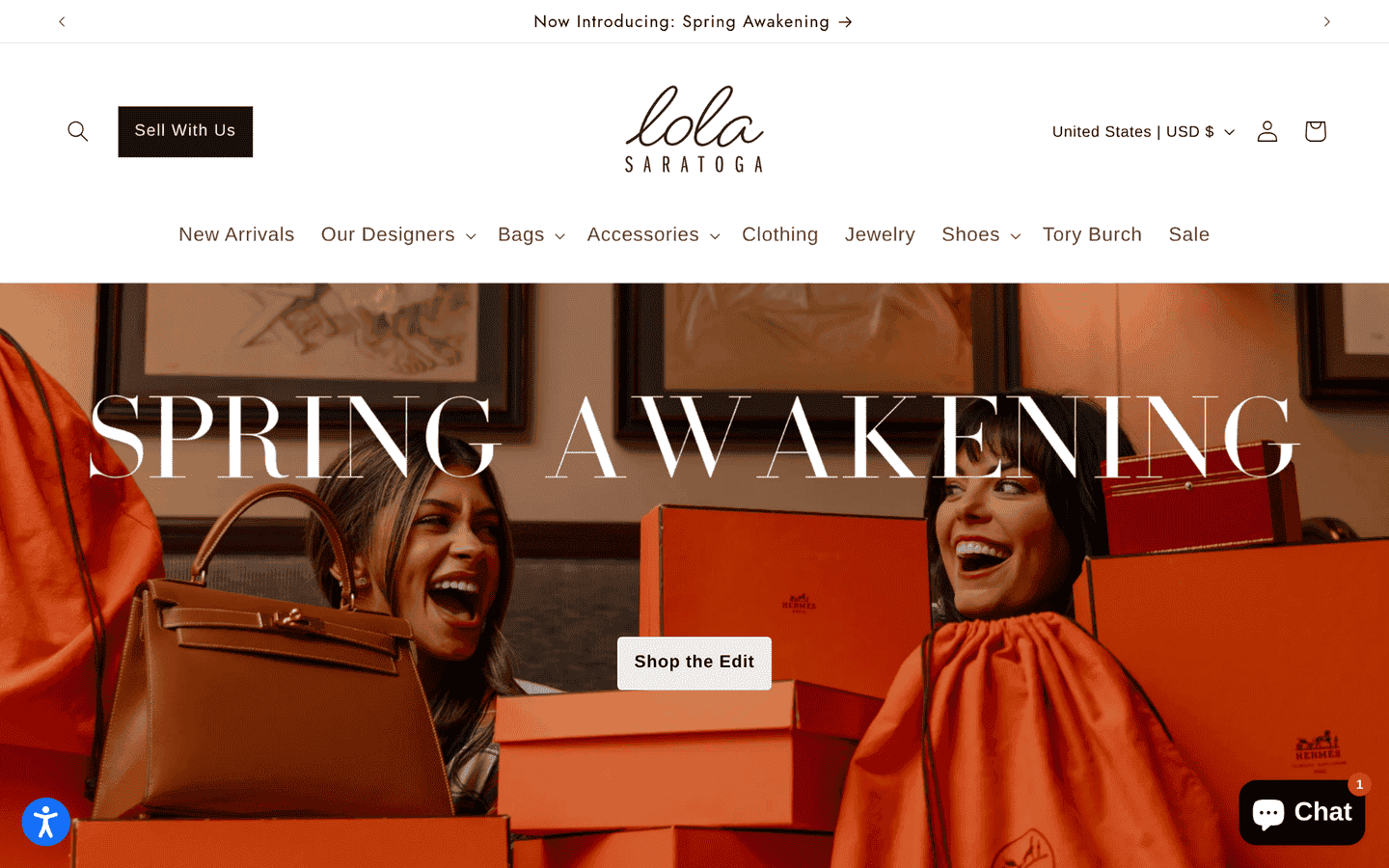
Lola Saratoga opened in 2013 in Saratoga Springs, New York, and now operates retail locations in both Saratoga Springs and Albany. They specialize in curated designer consignment from Louis Vuitton, Chanel, Gucci, Prada, Hermès, and YSL, alongside contemporary pieces from Tory Burch and Gorjana. What sets them apart structurally is their authentication process: every item goes through a rigorous multi-point inspection and receives a third-party authentication certificate, not just an internal sign-off. They also give sellers multiple paths forward, including buyout, consignment, and store credit, which makes the selling experience more flexible than most boutique resale shops allow.
Why Pick Lola Saratoga for Shops For Vintage And Pre-Owned Designer Bags?
Third-party authentication certificates address a persistent trust gap in luxury resale, giving buyers an independent verification they can point to rather than relying on a shop’s internal claims. For sellers, the choice between buyout, consignment, and store credit removes the friction that often keeps people from bringing in pieces at all.
What the Reviews Show:
Formal public review aggregates for Lola Saratoga are limited, but their physical presence across two New York markets since 2013 is itself a signal. Brick-and-mortar luxury resale stores that survive more than a decade in competitive markets generally do so because their authentication holds up and buyers come back. The exclusive retail partnerships with brands like Tory Burch and Gorjana suggest the shop has built a reputation beyond pure resale, which adds another layer of community credibility.
Evaluation Criteria and Research Approach
Building this list started with casting a wide net across the luxury resale space, pulling candidate shops from resale community forums, fashion-focused directories, press coverage archives, and brand-specific buyer group discussions. The goal at this stage was volume: getting enough options on the longlist to make meaningful filtering possible.
Establishing Your Information Baseline
The initial pool was built by pulling data from multiple public sources: resale-focused directories, luxury fashion editorial coverage, social platform community recommendations, and official shop websites. Each candidate was documented against a standard set of fields including founding year, authentication method, product focus, selling model, and geographic reach. Shops that appeared across multiple independent sources moved to the shortlist automatically.
Filtering Candidates to the Right Group
From the broader pool, shops without verifiable authentication processes or documented buyer history were set aside. Review patterns were analyzed across available platforms, resale community threads, and press coverage to separate shops with consistent quality signals from those with isolated or surface-level mentions. Any shop where authentication claims couldn’t be cross-referenced against at least one independent source was removed from consideration.
Cross-Reference and Validation Process
Claims made on each shop’s official website were checked against external sources wherever possible. Authentication method descriptions, consignor network claims, and service model details were each tested against available buyer feedback and third-party coverage. Where a shop’s self-description and its community reputation aligned, that consistency was weighted positively. Gaps between what a shop claimed and what buyers consistently reported were flagged and factored into the final ranking.
The Authority Layer
Shops with meaningful presence beyond their own websites were given additional weight during evaluation. Features in publications like Forbes, Vogue Business, and CNBC, inclusion on business growth lists, and recognition from fashion industry organizations all contributed to the authority assessment. Original research, founder visibility in credible outlets, and documented community size (such as verified follower counts with engagement signals) also factored in here. Authority signals like these are hard to manufacture consistently and tend to reflect genuine market standing.
Shops For Vintage And Pre-Owned Designer Bags Case Files
The final check involved looking at each shop’s dedicated service pages, verified buyer reviews, and any documented consignment-to-sale outcomes. Shops that could demonstrate clear authentication workflows, transparent consignor payout terms, and consistent buyer return rates performed best at this stage. The presence of detailed product-level information, including condition grading explanations and authentication method disclosures, was treated as a marker of operational seriousness. Only shops that cleared this layer with strong evidence across multiple signals made the final list.
Finding the Right Shops For Vintage and Pre-Owned Designer Bags for Your Needs
No single shop is the right fit for every buyer or seller. The best choice depends on what you’re carrying into the search: a specific brand obsession, a tight budget, a rare piece you need authenticated, or a bag you want to consign on your own terms. Here’s what to look at before committing.
- Industry/Domain Experience: Shops that specialize exclusively in luxury resale tend to have sharper authentication instincts than those handling a broader product mix. Look for years of documented experience with the specific brands you care about, whether that’s Hermès, Chanel, or Louis Vuitton.
- Features and Service: Authentication method, return policy, consignment options, and selling flexibility all vary widely across shops. A 30-day return policy or third-party authentication certificate changes the risk profile of an online purchase significantly.
- Pricing Structure: Consignment fees, payout timelines, and buyout offers differ across every platform. For sellers, understanding the consignment submission-to-sale conversion rate matters as much as the headline payout percentage.
- Results Measurement: Buyer return rates, sell-out speed, and authentication dispute outcomes are the real indicators of a shop’s performance. These signals are more telling than any marketing copy.
- Industry Knowledge and Compliance: Shops that stay current on luxury goods authentication standards and resale regulations, and that maintain counterfeit and gray-market product restrictions, protect both buyers and consignors from costly errors.
Final Words
The pre-owned designer bag market keeps growing, and the shops that will matter most in 2026 are the ones that treat authentication as a non-negotiable rather than a differentiator. Each shop in this list brings something specific: exclusive Paris sourcing, relationship-driven curation, or third-party certified authentication. The right fit depends on your priorities as a buyer or seller. As demand for vintage and pre-owned luxury pieces keeps rising, quality authentication standards will only become more important.