
Hey, fashionistas! Have you ever caught yourself drooling over a designer piece but then practically fainted at the sight of the price tag? You’re not alone. But what if I told you that you could get that glam look without burning a hole in your pocket? Enter the world of pre-owned designer clothes. Let’s dive into why this is not just a trend but a savvy, sustainable choice.
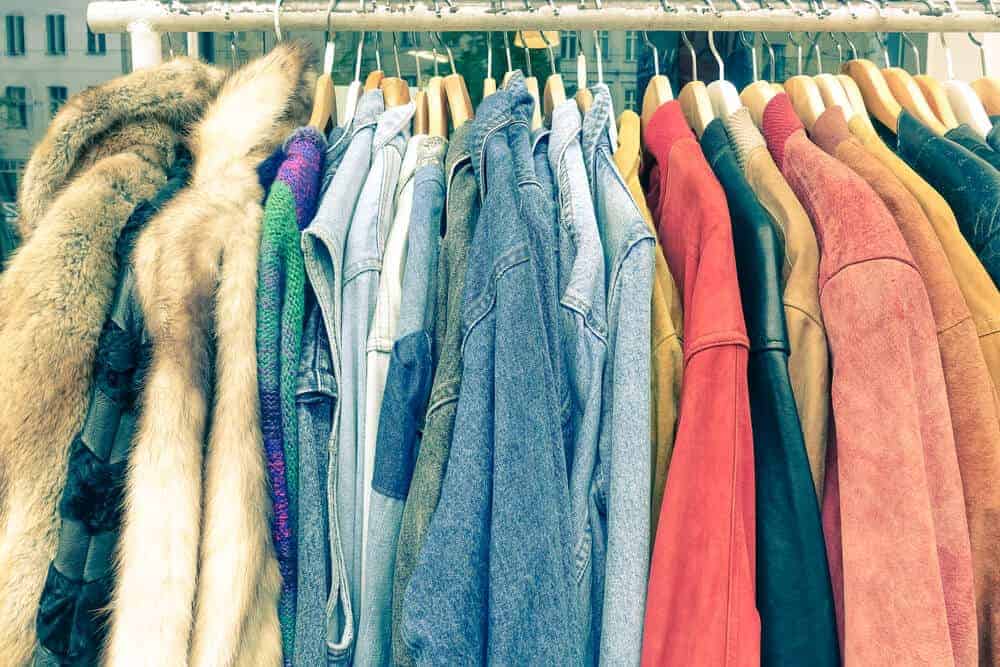
The Stigma Around Pre-Owned Fashion
First off, let’s clear the air. Pre-owned doesn’t mean worn-out or second-best. Think of it as adopting a puppy; it may not be new, but it can bring just as much joy and even have a pedigree!
The Economic Benefits
Affordability
Buying pre-owned is a game-changer. Imagine getting a Prada bag or vintage Bape clothing at half the retail price!
Imagine walking into a designer store, your eyes catching a dazzling Prada bag that looks as if it was crafted by the gods of fashion themselves. You take a glance at the price tag and your dreams shatter—it costs a small fortune! Now, picture the same scenario but with a twist: you find that very Prada bag at a pre-owned designer shop for half the retail price. Sounds too good to be true? Well, it’s not. That’s the magic of pre-owned designer fashion.
When you opt for pre-owned, you’re opening doors to a realm where labels like Gucci, Louis Vuitton, and Versace suddenly become affordable. It’s not about settling for less; it’s about smart shopping. And let’s be honest, who wouldn’t want the same designer quality and prestige without the hefty price tag? It’s a savvy way to get your hands on timeless pieces without emptying your bank account. So next time you see that couture piece you just can’t live without, consider looking for it in the pre-owned market. Your wallet will thank you.
Cost Per Wear
High-quality designer pieces mean they last longer, hence your cost per wear goes down. Smart, eh?
Ah, cost per wear! This is a term for the financially savvy and the budget-conscious, and it’s a concept that aligns perfectly with pre-owned designer clothes. Let me explain: the cost per wear is the total cost of the item divided by the number of times you’ll wear it. Sounds simple, right? Here’s the kicker: high-quality designer pieces often last longer than fast fashion, which means your cost per wear goes down significantly over time.
Take a Burberry trench coat for example. It might set you back a few quid initially, but its enduring style and excellent craftsmanship mean you’ll be wearing it for years, possibly decades. Compare this to a similar-looking coat from a fast-fashion store that starts to fray after a season or two. In the long run, Burberry will be a more economical choice. It’s smart shopping, isn’t it?
Investment Pieces
Some items, like vintage Chanel, can actually appreciate in value over time. So, it’s practically like making money!
Whoever said fashion is frivolous didn’t know the first thing about investment pieces. Certain items, like a vintage Chanel bag or a Rolex watch, not only hold their value but can actually appreciate over time. Picture this: you find a classic Hermès Birkin bag from the 90s at a reputable pre-owned store. You purchase it, take good care of it, and lo and behold, it doubles in value in a decade or so. You’re not just buying a bag; you’re making an investment.
Such pieces are often limited edition or discontinued, making them even more desirable and adding to their resale value. It’s almost like the stock market, but far more glamorous! You might have to spend a significant amount upfront, but think of it as laying down money for a future return. Besides, isn’t it fascinating that your wardrobe could potentially offer you a better ROI than some traditional investments? Now, that’s what I call making money in style!
So, if you’re already into smart shopping and are savvy about where your money goes, consider diving into the pre-owned designer market to hunt down some potential investment pieces. You’ll get to enjoy the luxury and possibly even make a profit out of it. Win-win, I’d say!
The Environmental Impact
Reduced Waste
By opting for pre-owned, you help give clothes a second life, thereby reducing waste.
In today’s world of fast fashion, a staggering amount of clothing ends up in landfills. According to estimates, a lorry-load of clothing is burned or landfilled every second. Now, that’s horrifying, isn’t it? The beauty of pre-owned designer clothing is that it helps combat this monumental waste. When you purchase a pre-owned piece, you’re essentially giving it a second lease of life, prolonging its usefulness and reducing its chances of ending up in a landfill.
The notion here is not just about being frugal; it’s about being responsible citizens of the Earth. Think about it, each piece of clothing that gets a second owner offsets the need to produce a new one. This, in turn, leads to less demand for raw materials like cotton, silk, or leather, which are often sourced in environmentally detrimental ways. So, you’re not just scoring a fashion victory when you opt for pre-owned designer pieces; you’re also contributing to a much-needed reduction in waste.
Lower Carbon Footprint
Less manufacturing means less pollution. Simple as that!
When discussing the fashion industry, it’s crucial not to overlook its environmental footprint, especially concerning carbon emissions. According to studies, the textile industry is responsible for about 1.2 billion tonnes of CO2 emissions annually. That’s more than the emissions from international flights and shipping combined. So, how does choosing pre-owned designer clothes help mitigate this?
It’s straightforward, really. When you buy pre-owned, you’re lessening the demand for new clothing to be made, which in turn reduces the need for manufacturing. Now, let’s break down the manufacturing chain a bit. The creation of a single new piece of clothing involves several energy-intensive processes—farming, production, dyeing, and shipping, to name just a few. Each of these contributes to greenhouse gas emissions, the primary culprits of climate change.
By opting for pre-owned, you’re cutting down on the need for all these processes. Fewer processes mean fewer emissions and, consequently, a smaller carbon footprint. It’s a simple yet effective way to contribute to environmental sustainability. When you decide to buy a pre-owned piece of designer clothing, you’re not only making an ethical decision for your wallet but also casting a vote for a cleaner, greener planet.
The Quality Argument
Longevity
Designer clothes are often made to last. No more threads coming apart after a single wash.
In today’s fast-paced fashion landscape, many of us have gotten used to the idea that clothing is disposable. Buy a shirt, wear it a few times, and once a button falls off or a seam unravels, it’s into the bin it goes. However, this couldn’t be further from the truth when it comes to designer clothing, especially pre-owned pieces that have already stood the test of time.
The reason why designer items often come with a premium price tag is not just the brand name but also the remarkable durability and longevity they offer. These pieces are crafted to be timeless, both in style and endurance. The fabrics used are generally of a higher quality, sourced with care and designed to last. Stitching is robust, buttons are securely fastened, and special attention is given to areas that might experience the most wear and tear, like elbows and collars.
Therefore, buying a pre-owned designer garment is like investing in a piece of long-lasting art that you can actually wear. You won’t find yourself dealing with loose threads or unravelled hems after a single wash. These items are meant to be part of your wardrobe for years, maybe even decades, offering excellent value for money in the long run. So if you’re tired of the buy-wear-toss cycle that seems to dominate modern fashion, a shift towards pre-owned designer pieces could be the sustainable answer you’re looking for.

Craftsmanship
These aren’t mass-produced; they’re works of art! The attention to detail is often higher in designer pieces.
Mass-produced fashion has its benefits—namely affordability and accessibility—but when it comes to craftsmanship, it often falls woefully short. On the other hand, designer clothing, particularly high-end labels, treat each piece as an individual work of art. The attention to detail, from the conceptual design to the final stitch, is unparalleled. This is where the real value of designer pieces shines through.
Designers pour hours of labour and creativity into each item, ensuring that it meets a certain standard of quality and artistry. The sewing is often done by experienced tailors who are masters of their craft, while the materials used are meticulously selected for their durability, texture, and aesthetic appeal. Intricate patterns, handmade embroidery, custom buttons, and unique accents like beading or appliqués are just some of the features you’ll often find in designer clothing. It’s not merely about slapping on a well-known logo; it’s about delivering a piece of wearable art.
Even if these garments have been previously owned, the level of craftsmanship ensures they maintain their quality over time. When you opt for a pre-owned designer piece, you’re not just getting something stylish; you’re acquiring a product of meticulous design and superior workmanship. Each item tells a story of skilled artisans pouring their expertise into creating something truly exceptional. Therefore, opting for pre-owned designer clothes doesn’t just give you a fashionable edge; it adds a layer of cultural and artistic significance to your wardrobe.
The Uniqueness Factor
Rare Finds
Find pieces that are no longer in production.
The world of pre-owned designer clothing is a treasure trove of rare finds—pieces that have been discontinued, limited editions that sold out in a flash, or items that were only available in specific regions. And who doesn’t love the thrill of finding something truly unique? Imagine walking into a room and knowing that no one else will be wearing the same Yves Saint Laurent jacket or Versace dress because it’s a rare piece that’s no longer in production. Now that’s exclusivity, isn’t it?
These are clothes and accessories that you won’t find in a regular store anymore. They’re the kind of pieces that evoke curiosity and admiration, the ones that your friends ask about because they haven’t seen anything like them. It’s not uncommon for fashionistas to unearth designer pieces from notable collections of yesteryears, or even items that were once worn by celebrities. In the pre-owned market, you could discover a gem that makes you stand out in a world where individuality is increasingly rare.
So, if you’re someone who cherishes uniqueness in style, the pre-owned designer market is your playground. With a bit of patience and a keen eye, you can find items that not only resonate with your fashion sense but also offer a backstory or historical significance. Essentially, you get to wear a piece of fashion history.
Vintage Appeal
Ever wanted to look like a 90s supermodel? Now’s your chance.
Fashion, they say, is a wheel; it keeps turning. Styles from previous decades often make a comeback, but nothing beats the authenticity of a genuine vintage piece. Ever fancied channelling your inner 90s supermodel? Longed for the elegance of 60s chic or the free spirit of 70s boho style? Well, pre-owned designer clothes offer you an authentic ticket to the past.
While modern designers may try to replicate vintage styles, there’s an authenticity in wearing an item that was actually created during that era. The fabric, the stitching, the colours—they all reflect the trends and sensibilities of the time, making you a walking, talking piece of fashion history. Picture yourself in a vintage Dior cocktail dress from the 50s or a sharp Armani power suit from the 80s. It’s like wearing a time capsule.
Moreover, vintage pieces often come with a level of craftsmanship that is hard to find in modern clothing. Think handmade lace, intricate embroidery, or elaborate beading that you don’t often see in today’s mass-produced fashion items. These details give the clothing a unique texture and depth that can set you apart in any crowd.
Authenticity Checks
Always make sure you’re buying from a reputable source. No one wants to get duped!
One of the foremost concerns when buying pre-owned designer items is ensuring what you’re buying is authentic. While scoring a high-end brand at a reduced price is exciting, the last thing anyone wants is to get duped with a counterfeit. And let’s face it, the market is rife with fakes, some of which are remarkably well-done and can easily trick an untrained eye.
So, how do you make sure what you’re buying is genuine? First, always buy from reputable sources—trusted websites, known vintage stores, or certified resellers. Reputable platforms often have stringent authenticity checks in place, sometimes employing luxury goods experts to validate each item that comes their way. Second, educate yourself on the brand you’re interested in. Learn about their stitching styles, material quality, and unique identifiers like holograms, serial numbers, or branded zippers. Knowing these details can help you distinguish the genuine from the fake.
Remember, authenticity isn’t just about ensuring you’re getting what you paid for; it’s also about maintaining the integrity and value of your wardrobe. No one wants to show off a new designer find only to discover it’s a knock-off.
Where to Shop for Pre-Owned Designer Clothes
Online Platforms
Websites like eBay and Freshmans Archive have become the go-to online destinations for pre-owned designer clothing. They offer a wide selection, from high-end luxury brands to more affordable designer labels. These platforms often have rigorous authentication processes, ensuring that what you buy is the real deal. Plus, shopping online allows you to quickly compare prices, read reviews, and even set alerts for items you’re eyeing, making it easier to snag a good deal. But, as always, make sure to read the fine print, check return policies, and perhaps most importantly, look at the ratings and reviews of the sellers.
Physical Stores
Thrift shops and vintage stores can be treasure troves.
While online shopping offers convenience, nothing beats the tactile experience of shopping in physical stores. Thrift shops, consignment stores, and specialised vintage shops can be treasure troves of pre-owned designer items. The advantage here is the ability to try on the clothes, examine the materials up close, and even negotiate prices. Plus, you can get a real sense of the item’s condition, something that’s often hard to gauge from pictures alone. It’s also a great way to discover unique pieces you might not find online. However, ensure these stores have a good reputation for selling authentic items.
What to Look For
Check for authenticity cards, quality of stitching, and material.
Whether you’re shopping online or in-store, there are certain things to look out for when buying pre-owned designer clothes. First and foremost, check for authenticity cards or certificates that many designers provide. Although not a fool-proof method, it’s a good indicator of an item’s genuineness. Also, pay attention to the quality of stitching—a hallmark of genuine designer items is impeccable stitching. Frayed threads, loose seams, or uneven lines are usually red flags.
The material is another key area to scrutinise. Designer brands typically use high-quality fabrics that feel good to the touch. Check for the material tags, and don’t hesitate to ask for close-up photos if shopping online. If you’re familiar with the brand, you’ll likely know what quality to expect in terms of fabric, finish, and details.
Tips for Maintaining Pre-Owned Designer Clothes
Storage
Invest in good hangers and dust bags.
After investing your time and money in acquiring pre-owned designer pieces, the last thing you want is to ruin them due to improper storage. A surprising number of people underestimate the importance of correct storage when it comes to maintaining the quality of their clothes. So how should you go about it?
First, invest in good quality hangers. Wire hangers are a no-go; they can distort the shape of your garments over time. Instead, opt for wooden or padded hangers that are sturdy and can support the weight of heavier items like suits and jackets. For delicate materials like silk or cashmere, padded hangers are often the best choice to maintain the fabric’s integrity.
Dust bags are also incredibly useful, especially for accessories like handbags, shoes, or even certain garments that are particularly delicate. These bags protect your items from dust, moisture, and light, all of which can deteriorate their quality. Some high-end items even come with their own branded dust bags, but if they don’t, it’s worth investing in some.
Cleaning
Some pieces might require special care like dry cleaning.
Another vital aspect of maintaining pre-owned designer items is appropriate cleaning. Designer clothes often utilise high-quality, delicate materials that can’t withstand the rigours of a regular washing machine cycle. Always check the care labels on your garments to understand their cleaning requirements.
For many designer items, dry cleaning is the safest option. This method is especially beneficial for garments with intricate details like embroidery, sequins, or beadwork, which can get ruined in a standard wash. Even if the label says the item is machine-washable, using a gentle cycle and placing the garment in a mesh laundry bag can help prolong its life.
Repairs
Minor wear and tear can be easily repaired by a skilled tailor.
No matter how well-made an item is, wear and tear are inevitable, especially for pre-owned pieces. The good news is that most minor issues like a missing button, a loose seam, or a small tear can be easily fixed by a skilled tailor. While it may seem like an additional expense, consider it as a small investment in extending the life of your high-quality designer item.
Before you dismiss a piece because of minor imperfections, think about whether they can be repaired. More often than not, a simple trip to the tailor can make your garment as good as new, allowing you to enjoy it for many more years to come.
How Pre-Owned Helps the Fashion Industry
Buying pre-owned encourages brands to focus on longevity and sustainability.
One of the lesser-known yet significant benefits of the growing trend in buying pre-owned designer items is its positive impact on the fashion industry at large. How does buying second-hand help? It encourages brands to focus more on longevity and sustainability.
When consumers opt for quality and durability over fast fashion, it sends a clear message to brands about what is valued. It provides an economic incentive for them to invest in sustainable materials and ethical manufacturing processes. After all, if a garment is likely to have multiple owners throughout its life, then it needs to be durable enough to withstand the test of time.
Moreover, the pre-owned market acts as an informal quality check. Brands that consistently see their items resold are those that produce high-quality, enduring pieces. This not only helps them build a loyal customer base but also enhances their reputation in the marketplace.
Buying pre-owned designer clothes isn’t just a win for your wardrobe and wallet; it’s also a win for the fashion industry and the planet. By choosing pre-owned, you’re helping to promote a more sustainable, ethical, and quality-focused fashion ecosystem.