
Many parents in New York know the challenge of keeping schoolwork, house tasks, and their own jobs running smoothly from home. Video classes, homework sites, and learning apps take up more of the day than ever before. Slow or unstable connections can turn simple tasks into stressful moments, especially when more than one person needs online access at the same time. These problems can affect learning, focus, and even a child’s confidence during lessons.
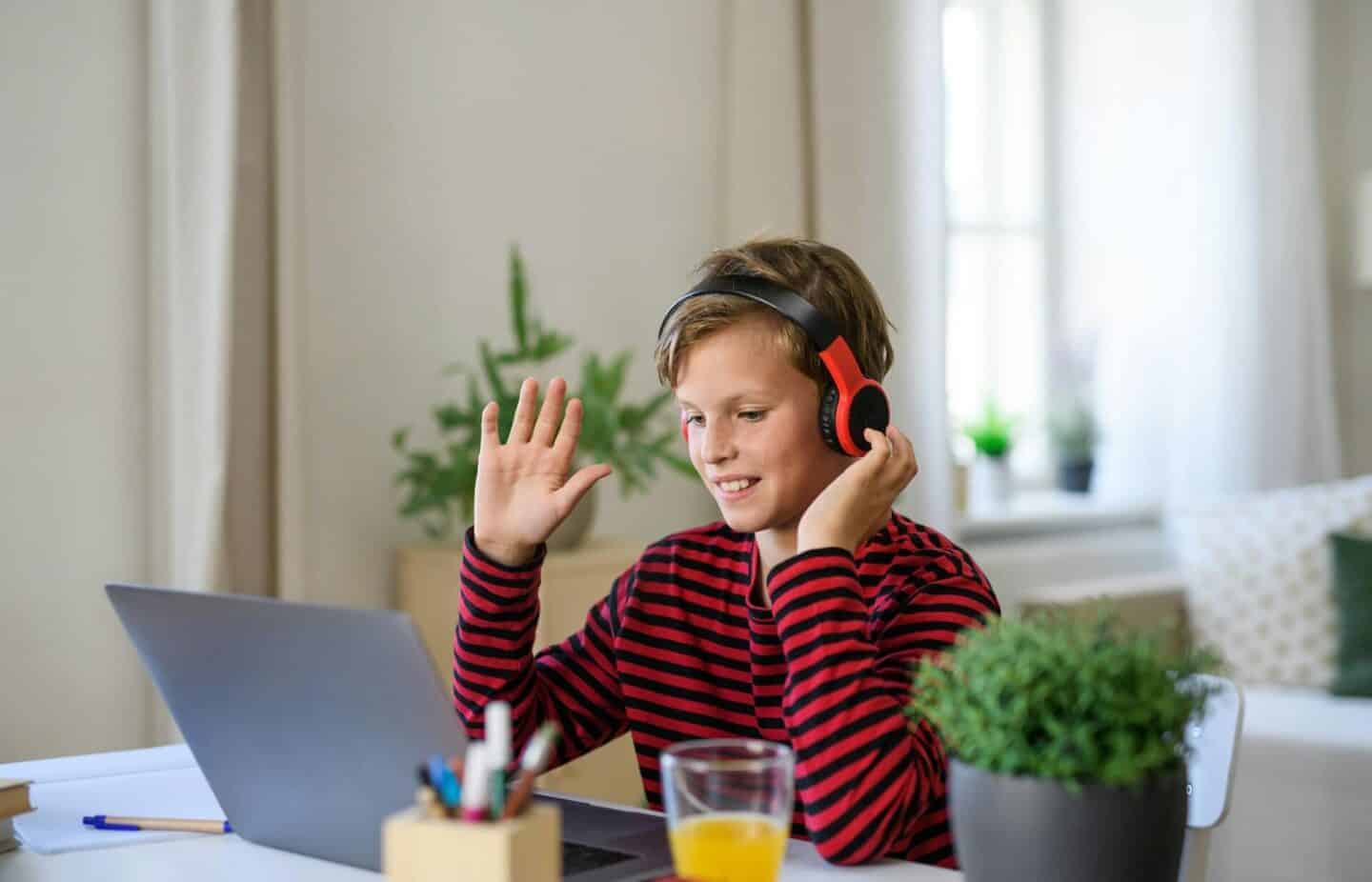
In busy places across New York, more families are noticing the need for stronger, steadier connections. Fiber options have gained attention because they support multiple devices simultaneously without slowing down. This article explores why speed matters, how it affects daily study time, and what steps parents can take to help children learn with less stress and more ease at home.
Why Steady Internet Supports Home Learning
Children rely on online tools for reading, group work, and teacher check-ins. When the connection stops or freezes, they quickly lose focus. A simple delay can cause missed instructions or confusion during lessons. Parents who work from home feel the pressure, too, especially when everyone needs the connection at precisely the same moment.
A few real examples include:
• A child is trying to speak during a class, but the sound cuts off
• A parent in a meeting while homework sites load slowly
• Two kids sharing one weak connection during tests
Quick question:
Has your child ever stopped a lesson because the video froze
Reliable internet speed helps prevent these moments and keeps learning steady.
What Strong Fiber Offers NYC Families
When homes have strong speed, classes load faster, video calls stay clear, and kids can switch between homework tasks without delay. Large files download quickly, and research pages open without long waiting times. This helps families focus more on learning and less on dealing with online issues.
Families who juggle several devices at once often look at NYC fiber internet to keep everything moving with less stress. People in this area empathize with the need for steady speed during long school hours, and many turn to Frontier. when they want something dependable that supports a full day of learning at home. This level of consistency helps both children and parents feel more prepared, even during busy mornings or late homework sessions.
A smooth connection makes the home feel calmer during learning hours.
How Good Speed Helps Kids Learn Better
Clear video allows children to stay involved during class. They can ask questions, join group tasks, and speak with teachers without delays. Parents also feel more relaxed, knowing their children can complete assignments on time.
Some helpful benefits include:
• better focus during teacher talks
• easier access to research pages
• smoother group activities
• fewer tech problems during tests
Example:
A child who struggles with reading may follow along better when the screen stays clear and the audio is smooth.
A simple shift like this can boost confidence and help kids enjoy learning again.
Simple Ways Families Improve Online Study
Even with good speed, a few habits can improve the learning experience. Many families find that small adjustments make a big difference, especially when more than one person needs online access.
Here are useful ideas:
• set up a quiet space with a strong signal
• use a wired cable for important classes
• limit large downloads during homework time
• keep devices updated for smoother performance
Question:
Would creating a small study corner help your child stay focused during lessons
These easy steps help children study with fewer interruptions.
Why Learning Needs More Than Good Internet
Speed helps, but learning also depends on the home environment. Kids need routine, support, and a calm space to stay involved during remote lessons. Even high speed cannot fix distractions or a lack of structure.
Helpful factors include:
• creating a daily schedule
• giving short breaks between tasks
• offering guidance when needed
• keeping a quiet area for study
Example:
A child may follow instructions more easily with a set routine, even when the lessons are online.
Blending structure with stable speed creates a balanced learning space.
Conclusion
Strong online access helps New York families support remote learning with less stress and more comfort. Smooth video calls, fast downloads, and steady connections make it easier for kids to stay engaged during class and finish tasks on time. When combined with good routines, calm study spaces, and supportive guidance, fast connections help children learn with confidence. Families who plan ahead and choose the right setup can create a home environment where learning feels easier and more enjoyable every day.