
Play forms the foundation of how young children make sense of the world. Through exploration, imagination, and social interaction, children build the skills that support lifelong learning. While adults often view play as a simple form of recreation, educators recognize it as the primary means by which children develop problem-solving, language, and emotional intelligence.
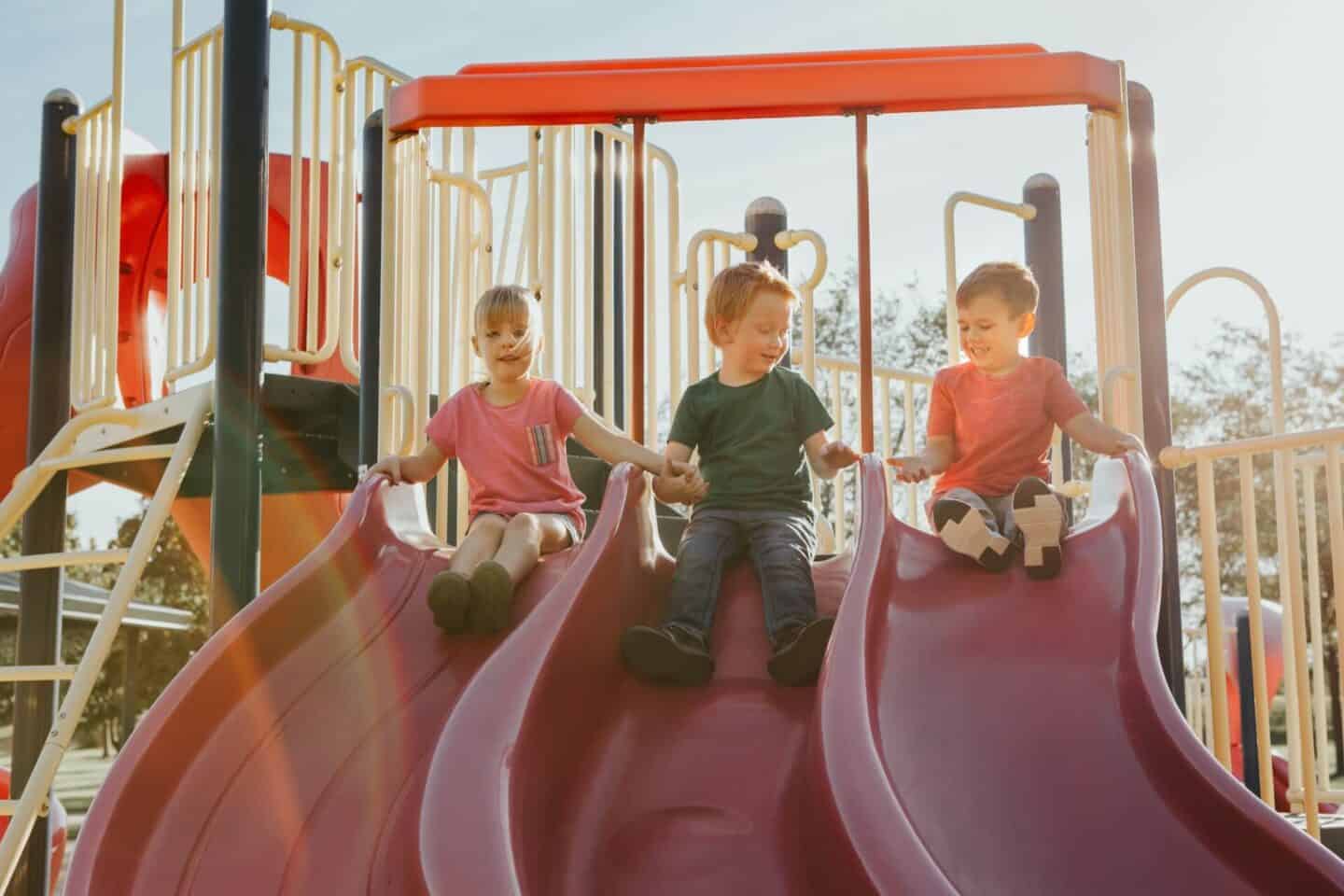
Families searching for high-quality preschool and daycare in Coral Gables often find that play-based learning lies at the heart of the most effective programs. These environments view play not as a break from learning, but as the most powerful method for developing curiosity and confidence. Teachers design purposeful activities that allow children to experiment, collaborate, and create connections between their experiences and new ideas.
The Science Behind Learning Through Play
Decades of research in early childhood development show that play directly supports brain growth and cognitive flexibility. When children manipulate materials, invent stories, or negotiate roles during group activities, they strengthen pathways responsible for memory, reasoning, and creativity.
Play also connects emotion to learning. Children retain knowledge more effectively when they feel engaged and joyful. Whether building a tower, pretending to run a restaurant, or exploring textures in a sensory bin, they learn to plan, evaluate, and adapt their strategies. These experiences develop executive functioning skills, the mental processes that guide focus, decision-making, and self-control.
Social and Emotional Growth Through Play
Preschoolers learn about empathy, cooperation, and conflict resolution through interaction with peers. Play provides the perfect context for these lessons. During pretend play or group projects, children negotiate roles, share ideas, and navigate disagreements.
Educators who observe these moments guide children in expressing feelings, listening to others, and finding compromise. Through consistent practice, children develop empathy and learn to understand different perspectives.
Language and Communication Development in Play-Based Settings
Play offers endless opportunities for language growth. Whether describing their artwork, creating dialogue for imaginary characters, or explaining game rules, children naturally expand their vocabulary and comprehension.
Teachers encourage rich communication by asking open-ended questions such as, “What might happen next?” or “How did you solve that problem?” These prompts inspire children to use language for reasoning and storytelling.
Physical Development and Coordination Through Active Play
Movement plays a direct role in promoting healthy development in early childhood. Gross motor play, such as climbing, jumping, or running, helps strengthen muscles and improve coordination. Fine motor play, such as manipulating small objects, drawing, or threading beads, builds the precision and control necessary for writing and self-care.
Play-based environments give children frequent access to both types of movement. Outdoor playgrounds, obstacle courses, and classroom materials all promote physical engagement. These experiences not only improve strength and balance but also teach persistence and spatial awareness.
Cognitive Skills Built Through Exploration and Experimentation
Play nurtures curiosity and problem-solving because it allows children to test ideas without fear of mistakes. Activities such as building structures, sorting materials, or conducting simple science experiments encourage prediction, reasoning, and reflection.
Teachers facilitate learning by observing and extending children’s inquiries. When a child wonders why a tower collapses, the teacher might ask, “What could make it stronger?” prompting experimentation and analysis. These interactions develop persistence and logical thinking.
The Role of Educators in Guiding Purposeful Play
While play may appear spontaneous, skilled teachers plan experiences that strike a balance between freedom and intention. They introduce materials and ideas that provoke exploration, then step back to allow children to take the lead in the process.
Observation plays a central role. Educators watch how children use materials, listen to their conversations, and identify emerging interests. These observations shape future activities, ensuring that learning remains relevant and engaging.
Family Engagement and the Continuity of Learning
Family participation strengthens the impact of play-based education. When parents understand the value of play, they can extend learning at home through simple, meaningful activities. Building with household items, cooking together, or exploring nature all reinforce classroom concepts in authentic ways.
Preschools in Coral Gables that emphasize family partnerships encourage parents to observe documentation of classroom play. Photos, journals, and projects illustrate how play fosters both academic and emotional growth. These insights help families see that play is not a distraction from learning but its most natural and effective form.
Creating a Strong Foundation for Lifelong Learning
The earliest years establish patterns of thought and behavior that last well into adulthood. Play-based learning nurtures flexibility, resilience, and a sense of wonder. Qualities essential for success in school and beyond. Children who learn through play develop problem-solving skills, emotional intelligence, and a sense of curiosity and eagerness to explore the unknown.
Families exploring preschool and daycare in Coral Gables will find that programs emphasizing play create environments where children feel valued, capable, and inspired. Each moment of play represents an opportunity to practice independence, collaboration, and creativity.
Growing Minds Through Joyful Discovery
Education begins with curiosity. Play transforms curiosity into understanding and connects joy to the learning process. In Coral Gables, schools that embrace play-based learning cultivate not only knowledge but also confidence, empathy, and imagination.
Through movement, storytelling, experimentation, and connection, children discover that learning can be both meaningful and fun. These early experiences build a foundation for lifelong exploration. Reminding families and educators that the most potent lessons often begin with a moment of play.