
In the intricate system of roadways and traffic control, safety signs play a crucial role in guiding drivers and maintaining order on roads. One sign that often goes unnoticed but holds significant importance in traffic safety is the “Skid Marks Prohibited” sign. This sign isn’t merely a regulatory instruction but a proactive measure that aims to prevent unnecessary hazards on the road. This blog will explore the role, necessity, and impact of skid marks prohibited signs in traffic control, shedding light on how these signs contribute to safer road conditions for all.

Understanding the Skid Marks Prohibited Sign
A skid marks prohibited sign is a regulatory road sign placed strategically in locations where vehicles are likely to engage in rapid acceleration or braking, such as near residential areas, schools, busy intersections, or pedestrian-heavy zones. The primary purpose of this sign is to deter drivers from creating skid marks by braking harshly or performing burnouts, activities that can lead to accidents, injuries, and even fatalities in areas where such behavior is deemed dangerous.
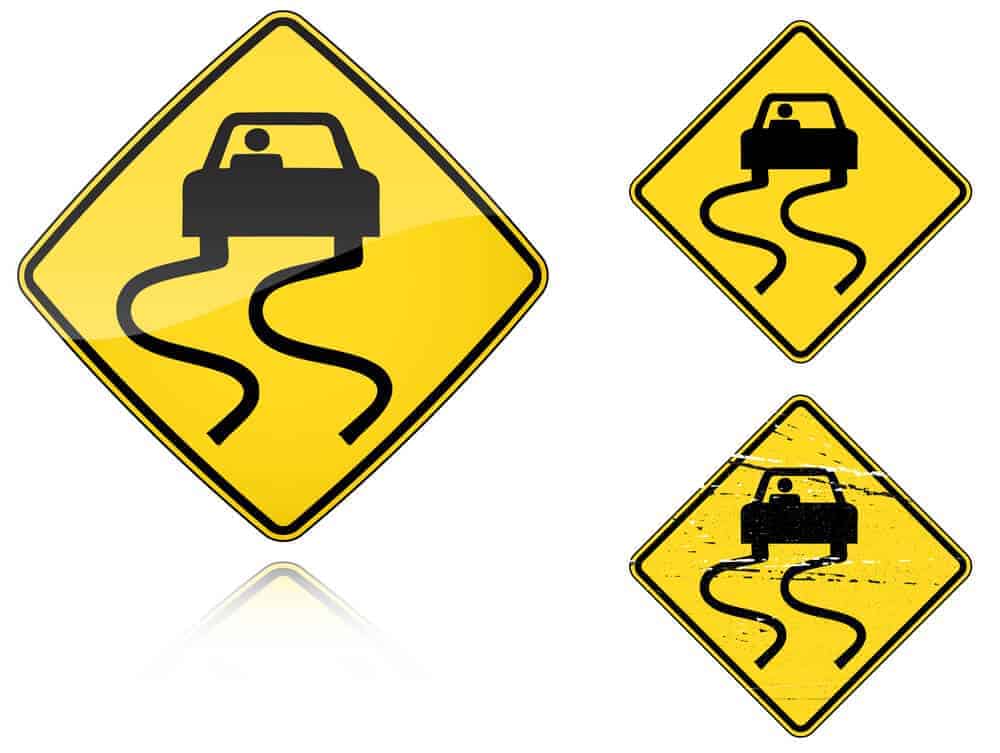
These signs usually feature a pictogram of skid marks with a prohibition symbol to ensure clarity for all drivers. This clear, universally understandable symbol makes it easier for drivers to recognize and adhere to the rule without requiring extensive explanations.
Why Skid Marks Prohibited Signs Matter in Traffic Control
Skid marks may appear innocuous, but they have profound implications on road safety, maintenance, and environmental conditions. Let’s dive deeper into why the skid marks prohibited sign is essential for traffic control:
1. Reducing Accidents and Injuries
One of the primary reasons for enforcing a skid marks prohibition is the prevention of accidents. When drivers engage in abrupt braking or high-speed acceleration, they create skid marks, which are often indicators of reckless driving behaviors. These actions reduce a driver’s control over the vehicle, increasing the likelihood of accidents, particularly in high-traffic areas.
Authorities can discourage risky driving behaviors by installing skid marks prohibited signs in critical zones. This results in safer conditions for drivers, pedestrians, and cyclists, especially in areas with a high incidence of foot traffic, such as near schools or parks.
2. Minimizing Road Wear and Tear
Creating skid marks on roads significantly contributes to wear and tear on the road surface. When drivers brake hard, the friction generated between the tires and asphalt damages the road over time. This can lead to costly repairs and maintenance, which are typically funded by taxpayer dollars.
By implementing and enforcing skid marks prohibited signs, authorities can extend the lifespan of road surfaces. Reduced wear and tear on the roads means that funds allocated to road repair can be used more efficiently, potentially freeing up resources for other essential public services.
3. Promoting Responsible Driving
Skid marks prohibited signs serve as a reminder for drivers to be responsible and mindful of their driving habits. With these signs in place, drivers are subtly encouraged to avoid behaviors that might endanger others or damage public infrastructure.
When drivers adhere to this restriction, it leads to an overall improvement in driving culture, which ultimately benefits everyone on the road. Reduced aggressive driving can decrease the overall number of accidents, leading to smoother traffic flow and a safer environment for all.
4. Enhancing Pedestrian Safety
Enforcing a skid mark prohibition is especially critical in areas with high pedestrian traffic, such as school zones, residential neighborhoods, or business districts. Skid marks are often a sign of sudden braking or high acceleration, which can easily lead to pedestrian accidents.
The skid marks prohibited sign, therefore, acts as a safety buffer, warning drivers that these areas require extra caution. By discouraging aggressive driving behaviors, these signs contribute to a safer walking environment, ensuring that pedestrians can cross streets or walk alongside roads without fearing for their safety.
5. Supporting Environmental Conservation
The environmental impact of skid marks is often overlooked but is nonetheless significant. The act of skidding or braking hard results in tire abrasion, which releases small rubber particles into the environment. Over time, these particles accumulate on road surfaces and in nearby soil, potentially harming ecosystems and adding to air pollution.
Skid marks prohibited signs help reduce vehicles’ environmental footprint by preventing them from creating skid marks. This may seem like a small step, but collectively, it contributes to cleaner air and soil, benefiting urban ecosystems in the long run.
Key Locations for Skid Marks Prohibited Signs
To maximize the effectiveness of these signs, traffic authorities strategically place skid marks prohibited signs in areas where the risk of dangerous driving is higher. Here are some common locations where these signs are often installed:
1. School Zones and Residential Areas
Children and families frequently travel on foot in school zones and residential areas, making these locations particularly vulnerable to the hazards of aggressive driving. Skid marks prohibited signs serve as a deterrent to prevent drivers from speeding or braking suddenly, reducing the chances of pedestrian accidents.
2. High-Traffic Intersections
Intersections are common hotspots for sudden braking due to traffic signals and high vehicle density. Installing skid marks prohibited signs at these locations helps minimize sudden stops and starts, reducing the likelihood of rear-end collisions and fender-benders.
3. Busy Parking Lots and Shopping Centers
Parking lots, especially near shopping centers or large events, experience a high volume of pedestrian and vehicle traffic. Drivers may feel rushed or compelled to find parking quickly, increasing the chances of abrupt braking. The presence of skid marks prohibited signs in these areas encourages slower speeds and gradual braking.
4. Curved Roads and Blind Corners
Curved roads and blind corners present unique risks to drivers, as the visibility is reduced, and drivers must be cautious to avoid oncoming traffic. Skid marks prohibited signs in these areas prompt drivers to take curves slowly and refrain from sudden braking, minimizing the risk of accidents on these high-risk road sections.
5. Construction Zones
In construction zones, the road conditions are often altered, with temporary barriers, uneven surfaces, and workers present. Placing skid marks prohibited signs in these zones ensures that drivers navigate the area carefully, maintaining a smooth, controlled driving behavior that keeps everyone safe.
The Role of Skid Marks Prohibited Signs in Public Awareness
Signs play a major role in educating the public on the importance of safety rules, including the skid marks prohibited sign. By placing these signs in visible areas and combining them with public service campaigns, local governments can educate drivers about the impact of reckless driving and encourage safer habits.
For instance, public awareness campaigns could focus on explaining why creating skid marks is hazardous, linking it to higher accident rates and increased maintenance costs. By educating drivers on the reasons behind these restrictions, authorities can foster better compliance and a shared commitment to safer roads.
Enforcing Skid Marks Prohibited Signs
The effectiveness of any road sign, including the skid marks prohibited sign, depends largely on enforcement. Here are a few methods traffic authorities may employ to ensure adherence to skid marks prohibitions:
1. Traffic Cameras
Many cities use traffic cameras to monitor areas where skid marks prohibited signs are installed. Cameras allow authorities to track and penalize drivers who violate this rule, effectively deterring dangerous driving behavior.
2. Increased Police Patrols
In some areas, especially high-risk zones, law enforcement agencies may increase patrols to monitor compliance with skid marks prohibited signs. A visible police presence can reinforce the importance of this rule and serve as an immediate deterrent to potential violators.
3. Fines and Penalties
Implementing fines or points on a driver’s license for non-compliance with skid marks prohibited signs can also encourage adherence. The prospect of penalties may discourage drivers from engaging in behavior that would lead to the creation of skid marks.
The Value of Skid Marks Prohibited Signs
In the realm of traffic control, the skid marks prohibited sign might appear minor, but its benefits are far-reaching. From preventing accidents and safeguarding pedestrians to reducing road wear and tear, this simple sign plays a critical role in promoting safer and more sustainable driving habits. Moreover, by curbing reckless driving behavior, skid marks prohibited signs help create a positive driving culture that prioritizes responsibility, environmental awareness, and respect for public infrastructure.
By understanding and complying with the rules set forth by skid marks prohibited signs, drivers contribute to a safer, cleaner, and more sustainable environment for everyone. As these signs continue to be strategically implemented, we can look forward to roadways that reflect our collective responsibility in keeping our communities safe.