
Standing in a driveway with a dismantled engine and a part that simply won’t bolt on is a frustration many DIY mechanics know all too well. While the digital age has made sourcing heavy-duty components easier than ever, the vast sea of online catalogs can be a minefield of compatibility issues.
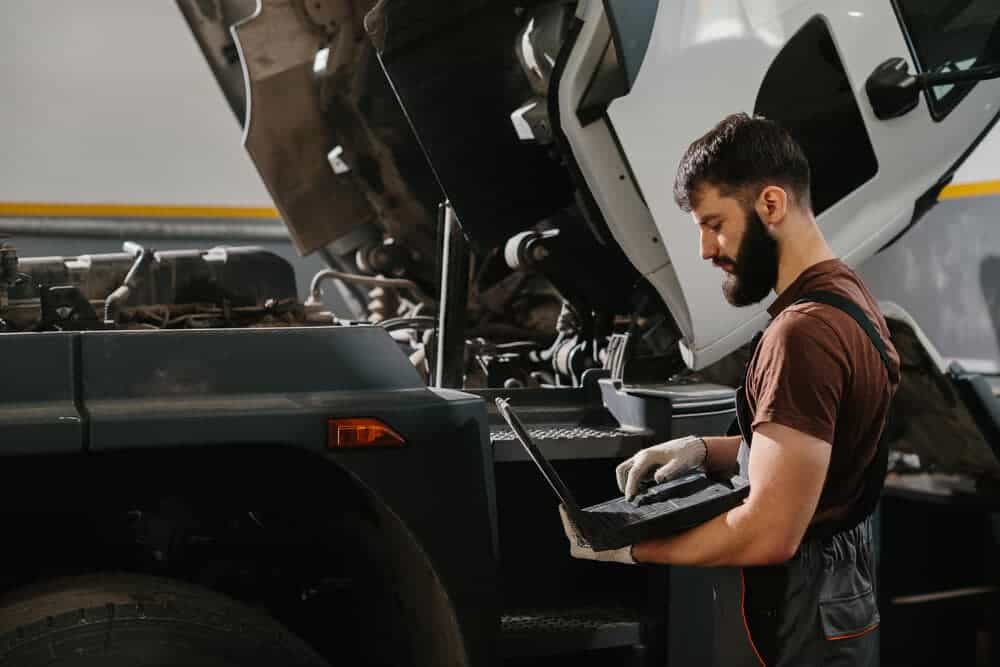
In 2026, vehicle owners are increasingly bypassing the long waits at local dealerships to take maintenance into their own hands. However, ensuring that a specialized truck component matches your specific trim and towing capacity requires a strategic approach. By mastering a few verification steps, you can turn a stressful repair into a seamless and cost-effective success
1. Verify Your Vehicle Identification Number (VIN)
Before you even begin browsing a digital catalog, your 17-digit VIN is the most powerful tool in your maintenance arsenal.
- Foolproof Identification: This unique code identifies your exact engine type, transmission, and factory-installed trim level.
- Mid-Year Updates: Manufacturers often change part specifications halfway through a production year, making the VIN essential for accuracy.
- Component Specificity: It ensures that critical systems like your braking or suspension are a perfect mechanical match for your chassis.
- Error Reduction: Entering this number directly into a search bar virtually eliminates the risk of ordering a part that looks right but won’t fit.
Using your VIN as the primary search filter is the gold standard for avoiding the “wrong part” headache and ensuring your truck stays road-ready.
2. Choose Reputable Suppliers
Navigating the web for specialized components requires a discerning eye to separate high-quality distributors from low-tier resellers. When you decide to buy auto and truck parts online, it is vital to vet the supplier’s reputation by checking for secure payment gateways and verified customer feedback.
A reputable site should offer clear contact information and detailed product descriptions that go beyond a single stock photo. For example, many savvy vehicle owners rely on trusted providers, such as CTR Auto/Industrial Supply, to find everything from heavy-duty suspension kits to cooling systems. Partnering with an established distributor provides the peace of mind that your components are sourced from trusted manufacturers who prioritize safety and durability. A reliable supplier doesn’t just sell you a part; they provide the technical support and logistical reliability needed to keep your vehicle on the road for the long haul.
3. Confirm OEM vs. Aftermarket Specifications
| Feature | OEM (Original Equipment) | Online Aftermarket Parts |
| Source | Produced by the truck’s original manufacturer. | Produced by third-party specialized brands. |
| Variety | Limited to the exact part installed at the factory. | Wide range of options for heavy-duty or off-road use. |
| Cost | Usually carries a higher “dealership” price tag. | Significantly more budget-friendly and accessible. |
| Availability | Can have long backorders at local dealers. | Readily available for fast shipping from online hubs. |
| Performance | Meets standard factory baseline specs. | Often engineered to exceed factory durability for towing. |
4. Review Return and Warranty Policies
Even with the most careful research, there is always a small margin for error when ordering technical components from a screen. A transparent and fair return policy acts as your primary safety net, allowing you to exchange a part if it arrives damaged or if a hidden mid-year production change makes it incompatible. Before clicking “checkout,” always verify that the supplier offers a reasonable return window and that their claims-handling process is clearly documented on their website.
Furthermore, a manufacturer’s warranty is a strong indicator of a part’s quality and the supplier’s confidence in their inventory. High-performance truck parts are subject to extreme heat and vibration, so having a 12-month or mileage-based warranty is essential for protecting your investment. If a seller is unwilling to provide a written warranty, it is often a red flag that the component may not meet the necessary safety standards for heavy-duty use.
5. Cross-Reference Part Numbers
Taking an extra five minutes to perform a visual and numerical cross-reference can save you hours of frustration during the actual installation.
- Existing Markings: Locate the part number stamped on the component currently on your truck and match it with the online listing.
- Visual Aids: Utilize 360-degree product photos to confirm that mounting points, electrical connectors, and bolt patterns are identical.
- Technical Diagrams: Many high-quality sites provide exploded-view diagrams to help you identify exactly where the part fits in the system.
- Interchange Numbers: Check if the site lists “interchange” numbers, which confirm that a part from a different brand is a direct replacement for your original.
Double-checking these tiny details ensures that when your package arrives, the installation goes smoothly without the need for unexpected modifications.
Conclusion
Empowered vehicle ownership starts with having the right information and the right tools at your disposal. Shopping online for truck components is a highly efficient way to manage your vehicle’s health, provided you follow these verification steps. By prioritizing quality over the lowest possible price, you ensure that your truck remains safe, reliable, and capable of handling any load. Following these simple tips transforms a complex mechanical task into a rewarding, cost-effective DIY project you can handle with total confidence.