
Silicone elbow hoses are multi-ply, fabric-reinforced connections designed to route pressurised air and coolant around tight engine bay bends without kinking, swelling, or degrading. In performance street, track, and motorsport builds, confined engine bays and custom fabrications rarely allow for straight plumbing runs, making angled couplers, such as 45°, 90°, and 180° bends and reducing elbows necessary for smooth fluid and air delivery.
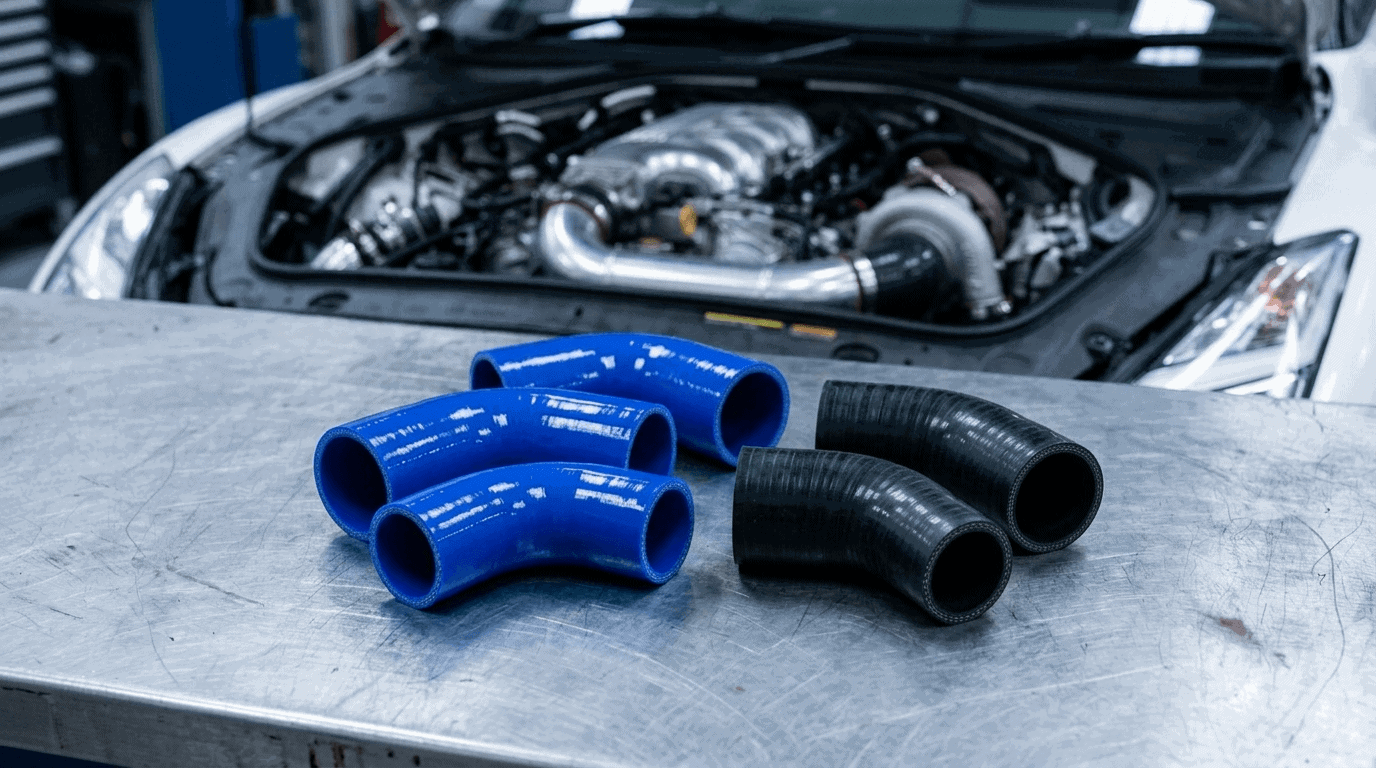
The Motorsport Advantage of Silicone Elbow Hoses
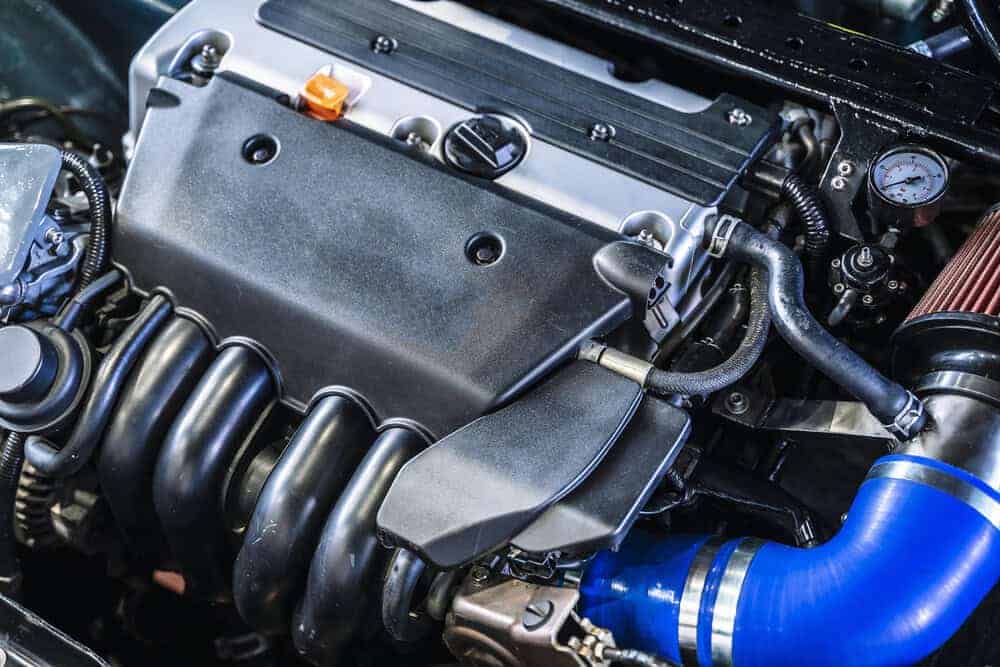
Unlike extruded or injection-moulded single-layer rubber hoses common in production runs, performance-grade silicone elbows are hand-built around curved metal mandrels to meet or exceed SAE J20 standards. Each elbow is constructed by layering high-grade uncured silicone elastomer sheets with polyester or aramid reinforcement fabric, wrapping them tightly in compression tape, and heat-curing them in an oven. The process prevents internal creases and ensures the hose holds its exact geometry under extreme boost pressures and high temperatures.
The composite construction provides noticeable advantages in demanding performance and motorsport applications:
High-Temperature Durability
High-temperature durability: Class A silicone elbow hoses rated to SAE J20 standards withstand thermal loads of up to 250°C (depending material grade and reinforcement type), far outlasting standard EPDM rubber hoses, which typically peak at around 125°C–150°C before degrading. While prolonged exposure to high under-hood temperatures causes standard EPDM to oxidize, dry out, harden, and develop surface cracks that lead to sudden coolant leaks or blowouts, silicone maintains high elasticity and tensile strength across extreme thermal cycles. The high heat resistance eliminates heat-soak fatigue near turbochargers and exhaust manifolds, ensuring a longer service life and reliable sealing under continuous thermal stress.
Boost and Vacuum Stability
Multi-ply reinforced silicone hoses (typically with 3 to 5 plies of polyester or aramid) maintain boost and vacuum stability far better than standard EPDM rubber hoses. Under high boost pressures, EPDM plumbing can soften, swell and collapse, choking airflow, cutting throttle response and risking blowouts. Woven silicone plies solve performance and durability issues by maintaining their shape and full internal volume across high engine bay temperatures and pressures.
Smooth Routing for Confined Spaces
Tight engine bays and chassis compartments rarely have room for straight runs, making complex plumbing a vulnerability. By using pre-molded bends and integrated reducing transitions, silicone hoses navigate low clearances effortlessly without kinking or collapsing under pressure. Compact dimensions eliminate the need for bulky metal couplers, extra splicing joints or additional hose clamps, reducing potential leaks or coolant loss. The contoured designs also keep charge pipes and coolant lines away for sharp chassis edges, moving belts and hot exhaust components, ensuring long-term durability.
Core Automotive Uses of Silicone Elbows
Because engine bays rarely have space for direct, straight piping, silicone elbows are used to connect rigid metal lines, while preventing engine vibrations from damaging fragile radiator or intercooler connections. Core uses include:
- Turbocharger and Intercooler Charge Piping: Forced-induction engines benefit from 45°, 90°, and 135° elbows to cleanly navigate tight engine bays, routing pressurised air past the chassis frame, radiator fans, and bodywork. Stepped reducer elbows help connect differently-sized turbo outlets and intercooler pipes, eliminating the need for large metal adapters.
- Engine Cooling Systems: Elbows route coolant between radiators, water pumps, swirl pots, thermostat housings, and cylinder heads. In confined spaces where rigid pipe fabrication is impractical, tight 180° U-bend elbows are frequently used in custom race builds to reverse coolant flow direction. Unlike standard rubber, motorsport silicone resists hardening, cracking, and collapsing across extreme temperatures.
- Air Intakes & Induction: Smooth-bore elbows guide air from filters or airboxes into the intake manifold or turbo inlet. By minimising internal turbulence, they deliver consistent airflow – a key advantage for custom builds running cold air intakes. Built for both strength and flexibility, these elbows also resist collapsing under high intake volumes at higher RPMs.
Compared to Standard EPDM Rubber Plumbing
Reinforced silicone elbow hoses are a durable, high-performance upgrade over standard EPDM rubber hoses. They handle higher pressures, boost stability, and resist heat-cycling degradation across extreme temperatures (-60°C to +220°C versus -40°C to +125°C for EPDM). This added resilience extends their average lifespan to 10 years, more than doubling the typical 3-to-5-year replacement cycle of standard rubber plumbing.
However, the upgrades come with specific trade-offs in cost and chemical resistance. Silicone hoses typically cost 3 to 5 times more than EPDM alternatives and will degrade upon contact with oil or fuel unless equipped with a specialised fluorosilicone (FVMQ) or fluoroelastomer (FKM/Viton) inner liner. Additionally, while silicone slowly allows moisture to permeate over time, EPDM blocks water vapour almost completely and offers higher resistance to chemicals.
Key Buying Considerations
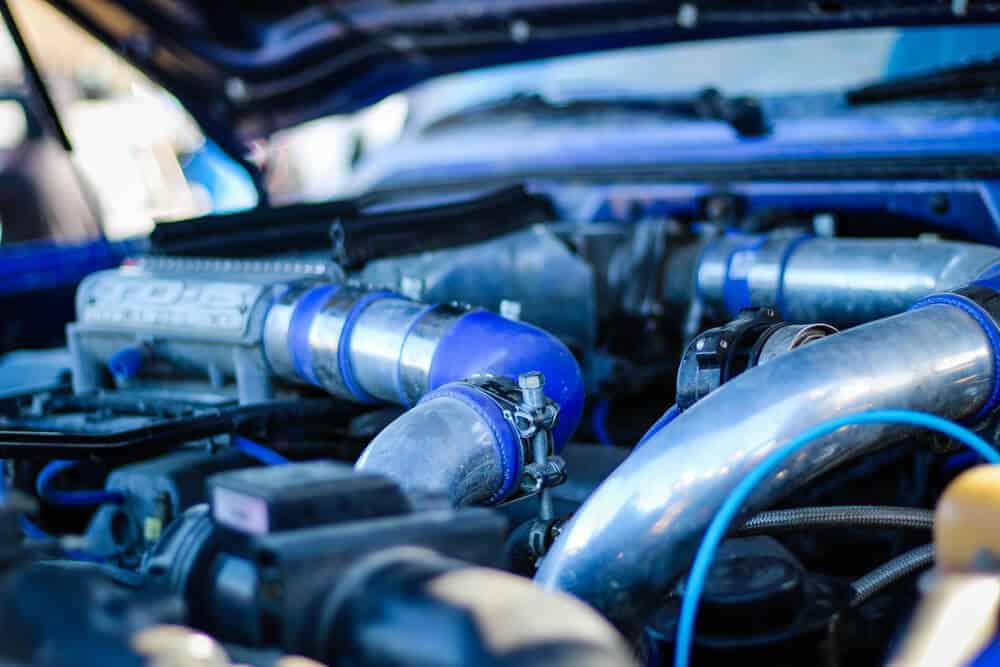
When selecting silicone elbow hoses for demanding street and motorsport use, standard off-the-shelf replacements quickly show their limitations under extreme track conditions. Choosing the right component comes down to several critical specifications:
- Reinforcement Ply Count: Standard hoses typically use a 3-ply reinforced fabric construction, specifically for smaller-diameter cooling system routing. For high-boost turbocharger outlets and larger-core intercooler piping, choose a 4- or 5-ply construction to prevent ballooning, collapsing under higher boost pressure or rupturing.
- Temperature and Pressure Ratings: Engine bays in race cars experience intense radiant heat. Verify that the silicone hose is rated for continuous temperatures up to at least 180°C and check the burst pressure rating against the specific pressure spikes for the application.
- Understand Bend Angles: Knowing how bend angles are measured is essential, as elbow angles refer to how many degrees the flow path redirects rather than the physical inside angle of the rubber itself. Specifically, a 45° elbow creates a slight shift, a 90° elbow produces a sharp right-angle corner, a 135° elbow curves the line back past a right angle, and a 180° elbow reverses the direction entirely into a full U-turn.
- Leg Length and Proper Clamping: Pay close attention to leg lengths, as longer legs provide more flexibility to trim the hose for an exact fit. Because smooth silicone gets slippery when warm, prevent blow-offs on high-pressure boost elbows by ensuring alloy hardpipes have rolled or beaded ends and securing them with heavy-duty T-bolt clamps, constant-tension clamps, or wide-band lined hose clips.