
Although slapped with higher tax rates, pickup trucks remain the main choice when it comes to serious off-roading. The trucks are coveted for their torquey diesel engines, exceptional towing ability, high ground clearance and suspension setups that regularly embarrass pure 4x4s double the price.
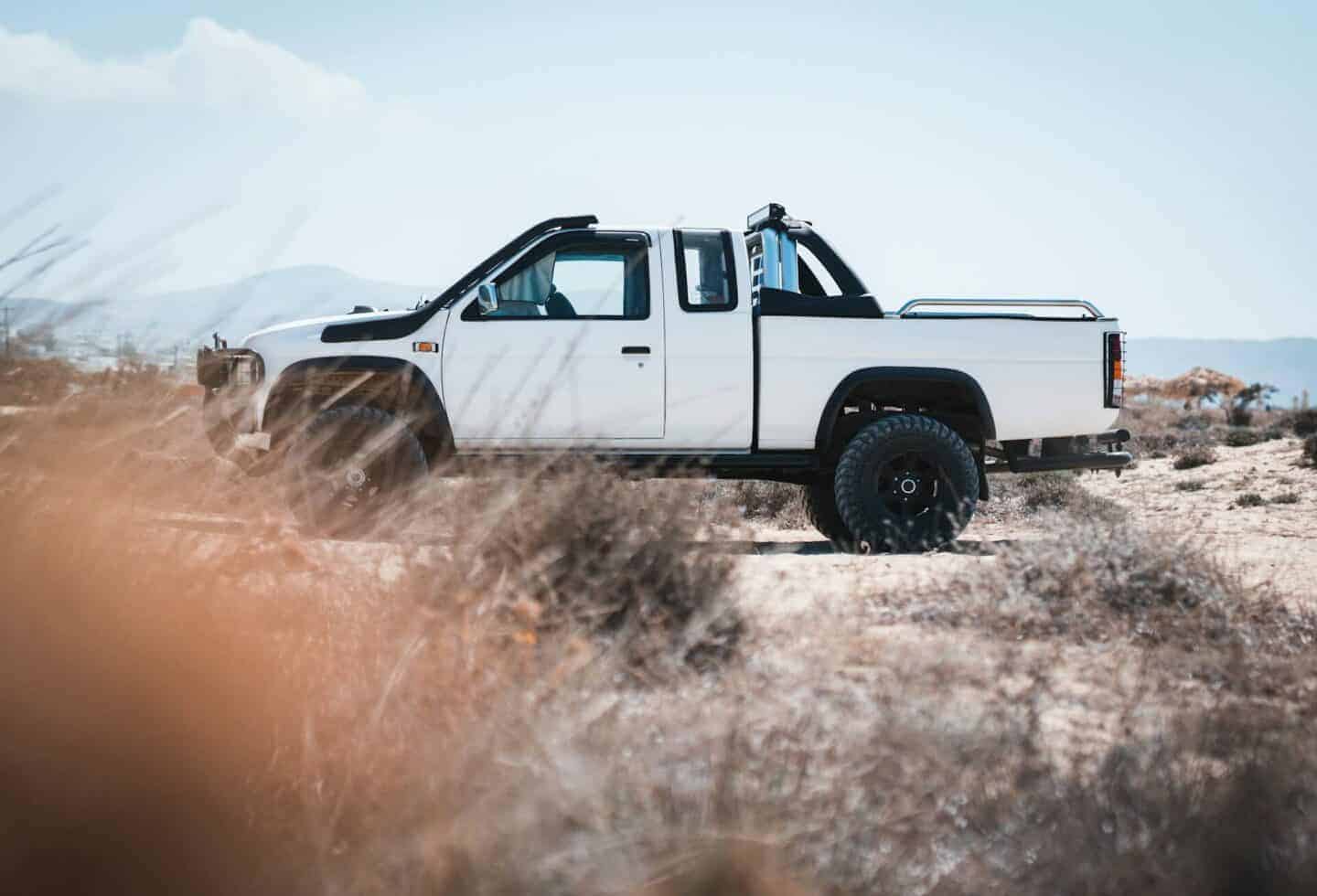
Popular models like the Ford Ranger and Toyota Hilux can also be modified with hundreds of aftermarket parts and accessories to further improve performance, extend versatility and customise vehicles to personal needs.
The Basics of Pickup Truck Snorkels

While not as common as protective or utility add-ons such as skid plates, A-bars or tonneau covers, an engineered 4×4 snorkel improves engine efficiency and performance, filters out water and debris, and extends the lifespan of the engine. In its most basic form, this is a lifted air intake system, routing the intake plumbing out of the engine bay to well above the vehicle’s roofline via an impact-resistant plastic or metal tube. This ensures pickups and 4x4s can safely wade through water without flooding the engine, while providing cooler, oxygen-rich air filtered from dust, debris and other contaminants.
Why Have a Pickup Snorkel?
- Cold air intake: Drawing cooler atmospheric air further from hot engine parts such as radiators and turbines, snorkels improve engine and combustion efficiency. Cooler air is denser and richer in oxygen, meaning more power with each combustion cycle.
- Increased airflow: By removing constriction points, snorkels push higher air volumes to throttle bodies, again contributing to bigger bangs. Specialised air ram designs also channel air at optimised angles to the same effect.
- Lower contamination: Pickups are regularly used on unpaved roads, farms and off-road, with gravel, dust and debris often clogging factory filters. Standard snorkels reduce dust intake while keeping the filter clean. A bonus is designs that can be fitted with pre-filters and snorkel socks to filter out larger particles and insects, and prevent abrasive wear to the engine internals or oil contamination that eventually leads to engine seizure.
- Driving through water: Wading through shallower water is more assured with a fitted 4×4 snorkel. The parts won’t make the vehicle fully submersible, but will prevent hydrolocking and pistons and conrods from cracking and snapping.
Apart from minor changes to the panelling or front guards required in installation, and slight wind noise due to changed aero profiles, there are few faults with a professionally installed 4×4 air intake snorkel. Possibly the only gripe is that this is often a permanent mod to your pickup, but one that lives up to the vehicle’s rugged, utilitarian purpose.
Which Snorkel for My Pickup?
Based on how they push and filter air, snorkels come in two basic designs. Air ram variants have front-facing grilles that push dirt and water in an inward position, and then flush these out through upper vents. Cleansed intake air is then diverted down to air boxes for further filtering. Vortex snorkels push dirt and water in an upward motion through centrifugal force created by blades and filter these out through small holes.
Choose air rams for cleaner designs, better high-speed filtering and reduced maintenance. These work best in everyday conditions. On the other hand, opt for vortex snorkels for effective filtration regardless of vehicle speed, superior dust separation, and fewer filter replacements in harsher dust and debris-laden environments.
Material Matters
Choose between reinforced polyethylene/ABS or stainless steel. Plastics bank on low weight, UV and rust-resistance, moulded, seamless-fit designs and generally lower purchase prices. They will, however, bend or flex on impact, for instance, when scraping a thicker brush. Snorkels in stainless steel are almost double the weight (adding roughly 10 to 15 pounds with included hardware), but benefit from far superior strength and impact resistance. A bonus is the louder engine induction sound when working the throttle.
Pair Snorkels with Performance Exhausts
Pickup snorkels are often paired with aftermarket exhausts as part of stage 1 tuning kits. Both parts work in tandem to improve airflow in and out the engine. While snorkels increase cold air intake volumes, performance exhausts aid exhaust velocity, expelling spent gases faster. The wider tubing, modular designs, and superior materials bring a welcome list of benefits.
Performance systems increase power and torque by limiting backpressure and heat, while improving overall engine efficiency. Full turbo-back systems, with new parts from manifolds to the tips, add up to 5 per cent of rated engine power, translating roughly to 10 to 15hp in the Ranger and Hilux. This is accompanied by a healthy low-end torque kick for improved towing and hauling.
Where aftermarket systems diverge from factory units is the superior build quality. Coated and heat-treated, thin-walled stainless tubing in wider diameters is more impact and rust-resistant than standard mild or aluminsied steel piping, and more durable when hitting potholes, road debris and obstacles, preventing leaks. It also sheds considerable weight.
Choose exhaust completes, either DPF-back or turbo-back systems for diesel pickups, or go with customisable builds, with the option of revised extractors for better scavenging, high-flow catalytic converters to improve flow and filtering, or reworked muffler and resonator combinations to tune the sound. For streamlined performance when adding snorkels and exhaust parts, get an ECU tune to calibrate the fuelling, power and torque curves and turbo boost pressures.
Going Off-Roading? Upgrade the Suspension
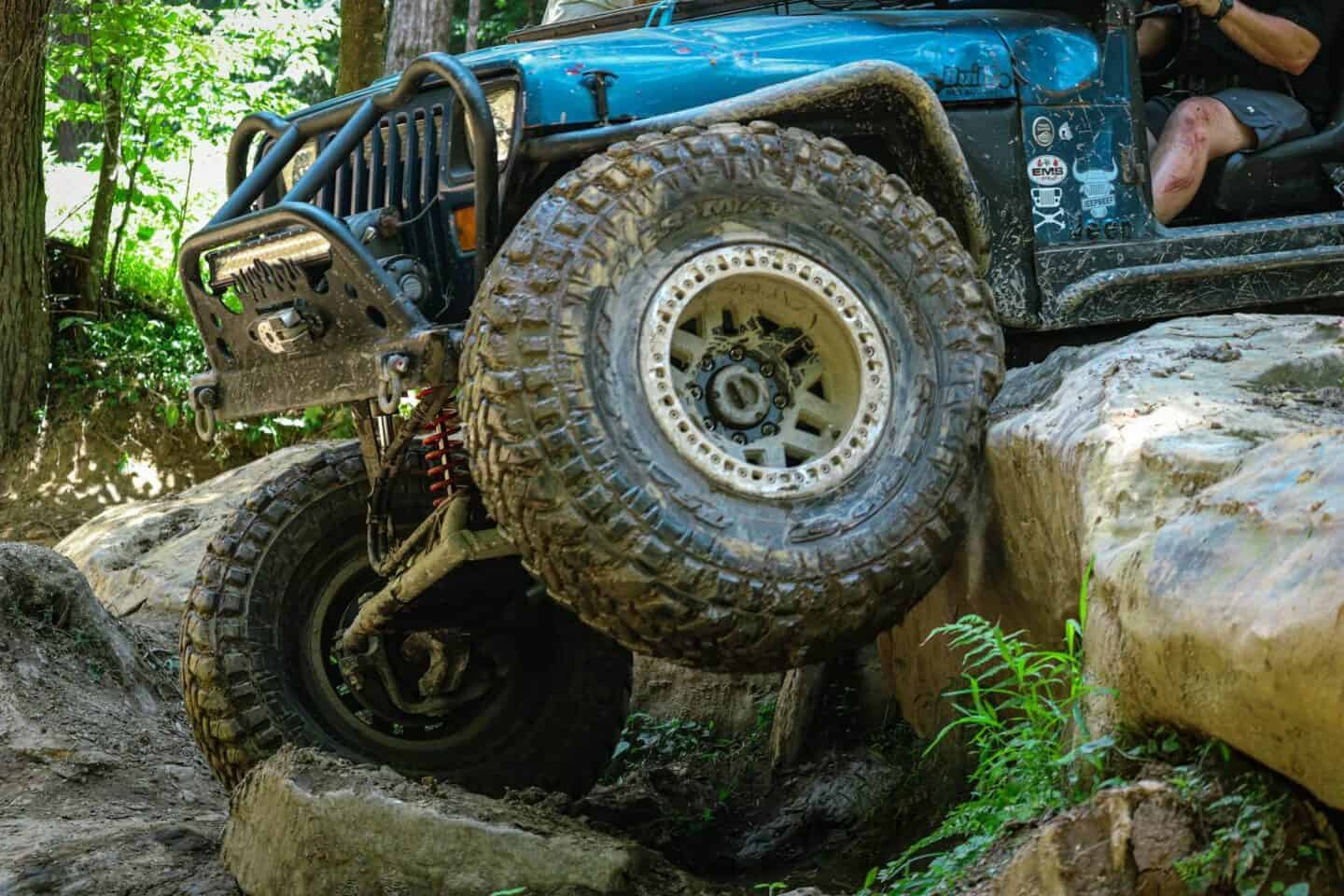
For a comprehensive off-road or overlanding build, consider pairing pickup snorkels with suspension upgrades. Both modifications target serious off-roading capability. Choose lift kits consisting of longer-travel springs or height-adjustable coilovers at the front, and added rear axle leaf springs, mated to matching heavy-duty shocks for improved ground clearance in water crossings, and more steering control on technical trails.
Vehicles additionally gain extra height for larger, off-roading tyres and superior loose-surface traction, as well as improved approach and departure angles to clear the underbody and pickup from larger rocks, stumps and other obstacles.
For even better handling both on and off-road, upgrade the control arms (to retain factory steering geometries), add sway bars to increase cornering stability or choose air bellows on all four wheels to benefit from a versatile suspension setup that balances adjustability, comfort and performance in a single package.