
Botox has been around long enough that most people have a general sense of what it does, but that familiarity doesn’t always translate into confidence about whether it’s safe. There’s a lot of noise online, ranging from reassuring before-and-after posts to alarming stories about things going wrong, and it can be genuinely hard to know what to take seriously.
In Kitchener and across Canada, more people are asking informed questions before their first appointment rather than just showing up and hoping for the best. That shift is a good thing, and the questions being asked deserve honest, grounded answers.
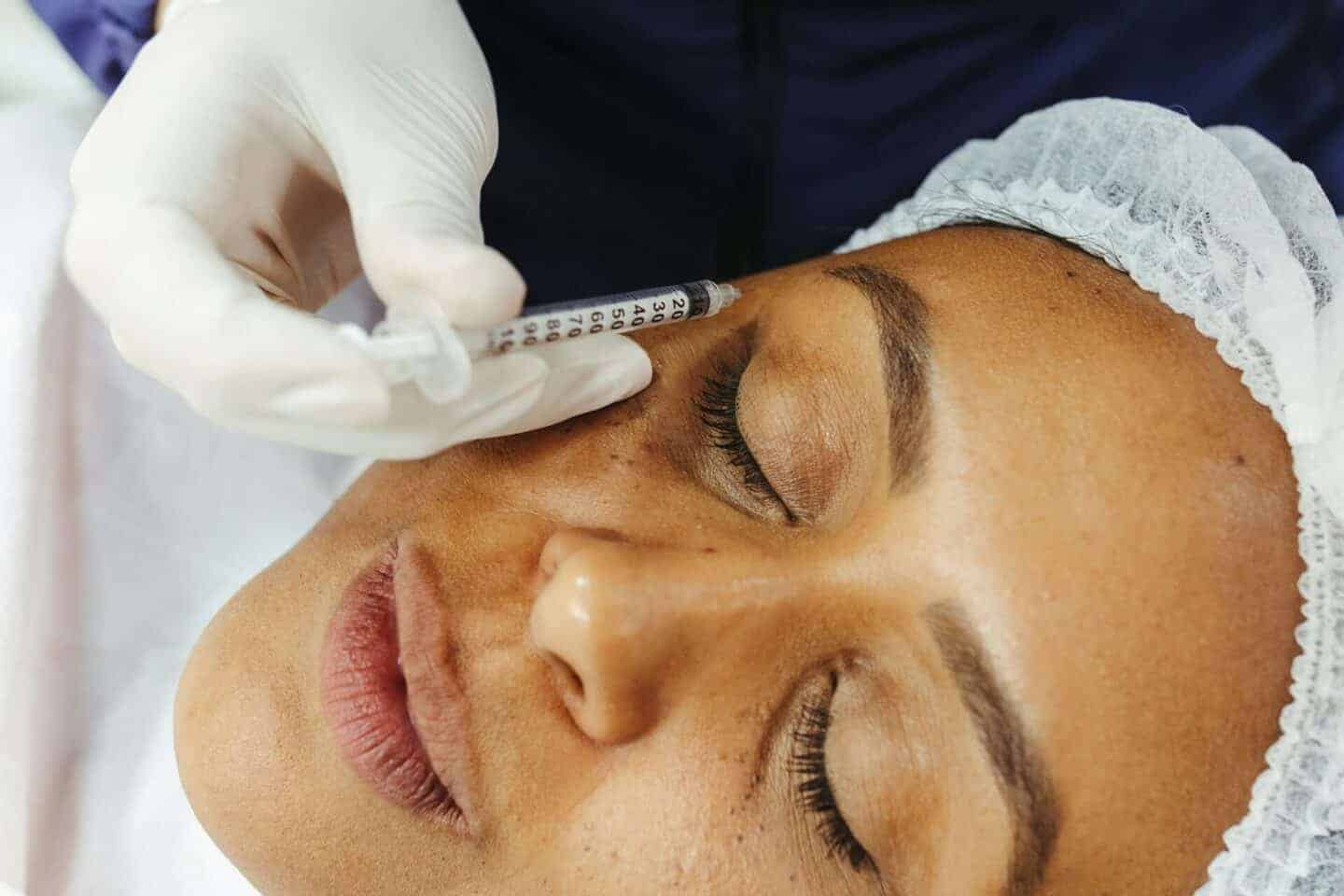
Here are five things worth understanding before you make a decision either way.
1. The Safety Record Is Strong
Botox has one of the longest and most thoroughly studied safety profiles of any aesthetic treatment available. It received FDA approval for cosmetic use in 2002, and the clinical data accumulated since then across millions of treatments globally gives researchers and practitioners a very clear picture of how it behaves in the body. Serious adverse events are rare, and the most commonly reported side effects, such as temporary bruising, mild headache, or slight asymmetry, are almost always short-lived and resolve on their own.
The stories that circulate about Botox going wrong are real, but they tend to involve either incorrect dosing or injection into the wrong anatomical location. The product itself, when used correctly by a qualified injector, has a track record that most medications would envy.
2. The Risks Are Closely Tied to Who Administers It
The safety of Botox is inseparable from the skill and training of the person holding the needle. Understanding facial anatomy, knowing exactly where to place the injection, how much product to use for a given area, and how to account for individual variation are all things that require real training and clinical experience to get right.
For anyone considering Botox in Kitchener, asking directly about the injector’s credentials and how many treatments they perform regularly is a reasonable and important step before booking. Clinics focused on facial procedures, such as Guelph Facial Plastics, approach Botox as a precise, anatomy-driven procedure rather than a routine service, which reflects the level of care that keeps complication rates low and results consistent. The cheapest option in town is rarely the safest one, and with injectables that’s a distinction worth taking seriously.
3. Temporary Effects Are a Safety Advantage
One of the most reassuring things about Botox from a risk perspective is that it doesn’t last forever. Results typically persist for three to four months before the product is naturally metabolized by the body and muscle movement gradually returns. This means that if someone doesn’t like the outcome, or if something unexpected happens, the situation resolves on its own without requiring corrective intervention in most cases.
That temporary nature is part of why Botox is considered a lower-commitment entry point into aesthetic treatments compared to surgical options. For first-time patients who are uncertain about how they’ll respond or whether they’ll like the results, the knowledge that any outcome will fade naturally within a few months removes a significant layer of anxiety from the decision.
4. Most Side Effects Are Minor and Short-Lived
The most commonly reported adverse effects following cosmetic Botox injections are mild and temporary, including injection-site bruising, localized swelling, and headache, with serious complications occurring at very low rates in properly administered treatments. That data aligns with what practitioners observe in clinical practice: the vast majority of patients experience nothing beyond minor, short-term effects that don’t interfere meaningfully with daily life.
The more serious risks, such as eyelid drooping or difficulty swallowing, are associated with incorrect injection placement or unintended product migration. These outcomes are uncommon when treatment is performed by an experienced injector following appropriate protocols, and they resolve on their own as the product wears off.
5. Your Medical History Matters
Botox isn’t appropriate for everyone, and a thorough intake process before treatment is part of what keeps it safe. Certain neuromuscular conditions, such as myasthenia gravis or Lambert-Eaton syndrome, are contraindications because they affect how the body responds to the mechanism by which Botox works. Some medications, including certain antibiotics and blood thinners, can interact with the product or increase the risk of bruising.
Pregnancy and breastfeeding are also periods during which most practitioners decline to administer Botox, not because of confirmed harm but because safety data for those populations is limited. Health Canada regulates botulinum toxin products and requires that practitioners screen for relevant contraindications before administration. A clinic that skips this screening isn’t just cutting corners. It’s creating a risk that proper intake would have prevented.
The Bottom Line
Botox is not without risk, but for most healthy adults treated by qualified practitioners, those risks are manageable, well-understood, and largely avoidable with the right precautions in place. The decision doesn’t have to be made in a rush or based on incomplete information.
Asking about your injector’s training, disclosing your full medical history, and choosing a clinic that takes the intake process seriously are the steps that make the difference between a treatment you feel confident about and one that leaves you second-guessing.