
Facial aging is one of those quiet changes that catches most people off guard. One day everything feels the same, and then a photograph or a video call reveals something you had not noticed before. A softer jawline. A deeper line around the mouth. A subtle heaviness under the eyes. For many adults across Denver, these small shifts eventually spark a bigger question. What is the right facelift approach for the way my face is actually aging?
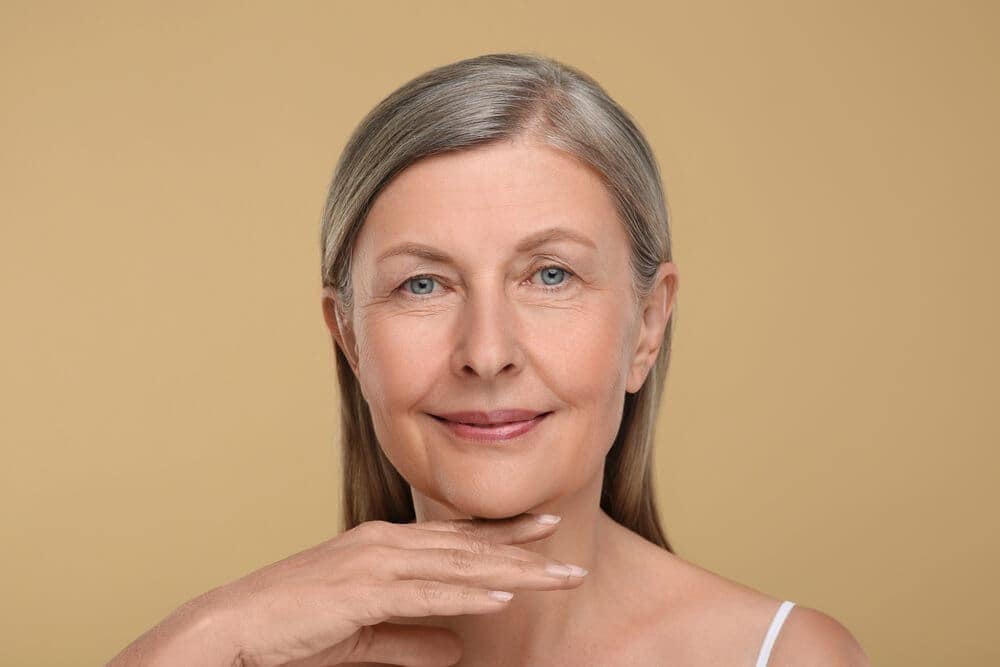
The good news is that today’s facelift options are more refined and personalized than ever. Choosing the right approach is less about following trends and more about understanding your face, your lifestyle, and the results you want to see.
Everyone’s Face Ages Differently
The biggest myth in facial rejuvenation is that all faces age the same way. In reality, facial aging depends on genetics, sun exposure, muscle activity, skin thickness, weight fluctuations, and even sleep patterns. Some people age from the top down, with lines appearing on the forehead and around the eyes first. Others age from the bottom up, with jowls and neck laxity forming before anything else changes.
Understanding your unique aging pattern is the first step in choosing the right facelift approach. There is no universal fix, only the fix that fits your face.
The Traditional Facelift Still Has a Place
The traditional facelift remains a classic option, especially for patients with more advanced signs of aging. It addresses skin laxity, jowl formation, and deeper creases along the lower face and neck. When performed by an experienced surgeon, results tend to look natural and can last for many years.
However, the traditional facelift is not always the right first step. Patients with more subtle aging may not need this level of correction, which is why matching the right technique to the right face matters so much.
The Deep-Plane Facelift Has Changed What Modern Results Look Like
The deep-plane facelift has become one of the most requested techniques in modern facial plastic surgery. Instead of just tightening the skin, it repositions the deeper facial tissues to restore a more youthful contour. The result is softer, more natural-looking, and longer-lasting than surface-level lifts.
For patients dealing with heaviness around the mid-face, jawline, or neck, this technique often produces the kind of subtle refresh they hoped for without any of the pulled or overdone look of the past.
Mini Facelifts Can Be Perfect for Earlier Signs of Aging
Mini facelifts have become popular for adults in their 40s and early 50s who want to address early signs of aging without a full procedure. This technique focuses on smaller lifts along the lower face and jawline, offering a refreshed look with shorter recovery.
It is not a substitute for a full facelift when aging has progressed further, but for the right candidate, it can offer beautifully proportional results.
Signs a Full Facelift Approach May Be Right for You
Choosing between facelift techniques can feel overwhelming, but a few signals often help clarify the right direction. You may benefit from a comprehensive approach if you notice:
- Visible sagging along the jawline or cheeks
- Loose skin around the neck or under the chin
- Deep folds between the nose and mouth
- Softness or heaviness in the mid-face
- Reduced definition in the jaw and lower face
- Skin laxity that no longer responds to non-surgical treatments
If two or more of these feel familiar, a full or deep-plane facelift may deliver the most balanced, long-lasting results.
Where a Thoughtful Consultation Makes All the Difference
The right facelift approach ultimately depends on a personalized evaluation. A skilled surgeon considers your facial structure, skin quality, aging pattern, and lifestyle goals before recommending a specific technique. This is why the consultation matters as much as the surgery itself.
Many patients researching their options today book a Facelift in Denver consultation with a specialist who focuses specifically on facial rejuvenation. That kind of focused expertise often makes the entire decision-making process feel calmer, clearer, and more personal.
Thompson Facial Plastics is one of the trusted names in this space, known for a thoughtful, artistic approach that combines precise technique with natural-looking results. Their focus on individualized planning is exactly what patients seek when choosing the right approach for their unique aging concerns.
Non-Surgical Treatments Can Complement or Precede a Facelift
For some patients, non-surgical treatments like laser resurfacing, skin tightening, or fat grafting can enhance the results of a facelift or delay the need for surgery altogether. These options are not replacements for a facelift when significant aging is present, but they are excellent complements or early-stage treatments.
An experienced facial plastic surgeon will always consider these tools when helping you decide on the right path forward.
Recovery Realistically Fits Modern Lifestyles
Modern facelift recovery is far more manageable than it used to be. Most patients return to light activity within a week and to their normal routines within a few weeks. Techniques like deep-plane surgery often produce less bruising and swelling than older approaches, which is why more patients are choosing them today.
Planning for a smooth recovery, including support at home and time away from work, helps set the foundation for the best possible outcome.
Conclusion
Choosing the right facelift approach is a deeply personal decision, but it becomes much easier with the right information and the right specialist. Whether you need a subtle refresh or a more comprehensive lift, today’s facelift options can be tailored to fit your unique aging pattern, your goals, and the way you want to feel when you look in the mirror. If you have been considering the next step in your facial rejuvenation journey, a consultation with an experienced facial plastic surgeon is often the most reassuring and clarifying way to begin.