
A successful family home doesn’t depend solely on dramatic features. Often, it’s the quieter, softer details that determine whether mornings run smoothly, shared areas remain usable and the house can accommodate changing routines.
Thoughtful storage, adaptable rooms, practical finishes and inviting communal spaces may seem modest individually, but together they can make everyday family life feel easier.
Storage That Keeps Everyday Life Organised
Storage works best when it reflects how the household actually moves through the home. A bench with shoe compartments near the entrance, hooks that children can reach and a dedicated place for school bags can prevent the hallway becoming an obstacle course. In living spaces, cupboards can keep toys and games close enough to use but simple to put away.
Good organisation begins before just buying a load more containers. Start by reducing your belongings first, then build your storage around what remains. When putting everything away, be aware that frequently used items belong within easy reach, while awkward shelves can hold the things needed less often. Simple storage systems are more likely to survive a busy week than arrangements requiring constant effort.
Spaces That Adapt to Family Life
The purpose of a room can change several times as children grow. A spare bedroom might begin as a nursery, become a playroom and later serve as a study, guest room or teenager’s bedroom. Neutral foundations, plentiful sockets and furniture that can be moved allow those transitions without a complete redesign.
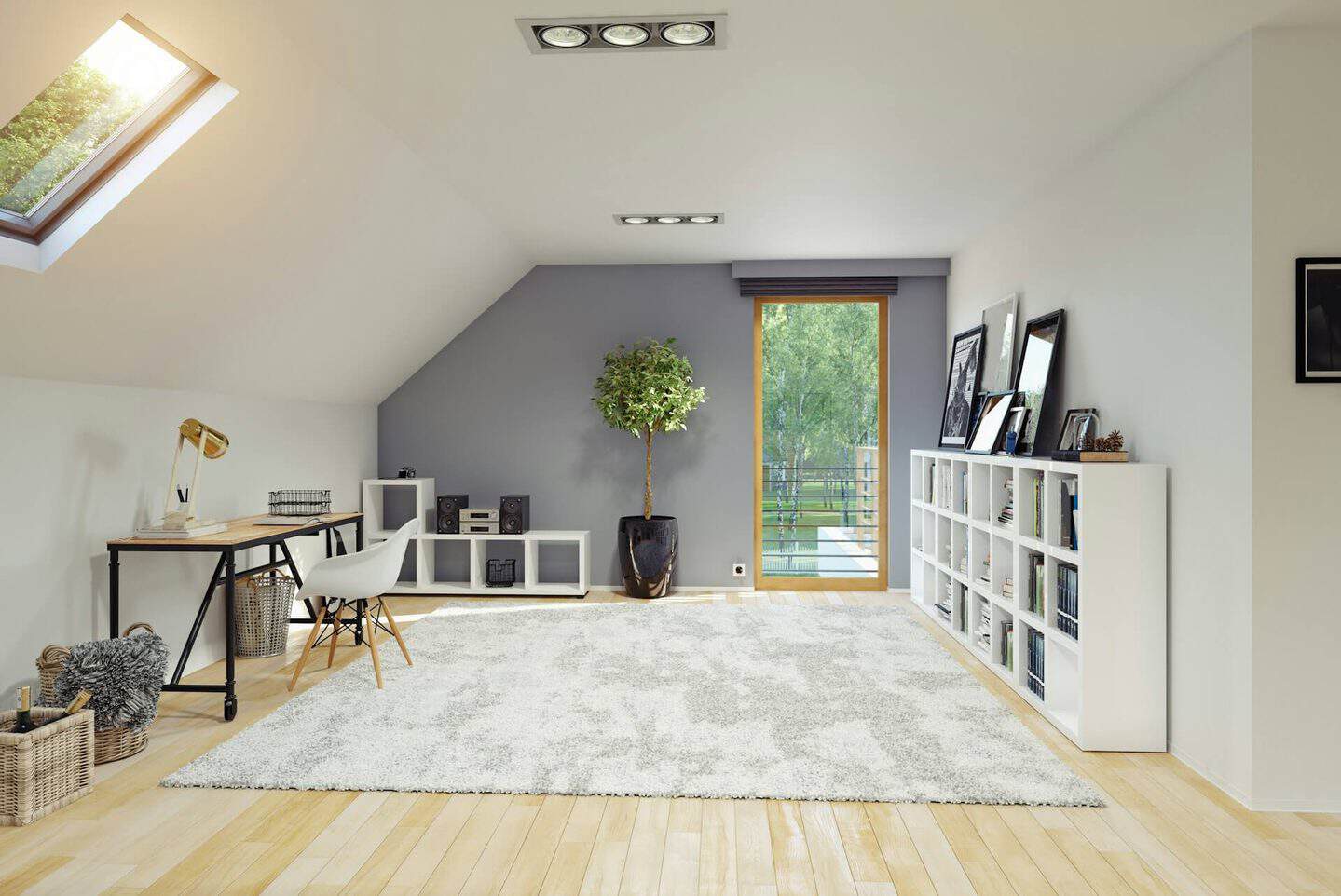
Folding desks, extendable beds, stackable seating and cube units can provide storage and also act as handy partitions. Rugs, colour and task lighting can also create clear zones without constructing permanent walls.
Details That Make a Home Feel Practical
Practicality often reveals itself through repeated daily tasks. Families considering new build homes may appreciate details such as well-placed power sockets, durable flooring and surfaces that are easy to wipe clean. A kitchen with clear views into a dining or play area may help adults prepare meals while remaining aware of younger children.
Before choosing a home, imagine using it during the busiest part of an ordinary day. Where would a pushchair go? Can several devices charge without trailing cables? Is there space to sort washing, prepare packed lunches or store a vacuum cleaner? These small questions often reveal more than a perfectly styled viewing.
Creating Comfortable Shared Spaces
Shared rooms need to support practical jobs and relaxed time together. A kitchen table may host breakfast, homework and craft projects, while a living room must accommodate conversation, films and play. Comfortable seating, layered lighting and smart storage can help each space switch purpose at a moment’s notice.
The aim is not permanent tidiness or a completely flawless (and therefore probably lifeless) interior. It’s a home in which everyday actions feel intuitive, and family members can be together without competing for space. Small, considered details make that possible as long as you build them into your designs with care and consideration.