
Working on busy highways and arterials is one of the most dangerous civil construction jobs. Because traffic cones are deployed continuously, workers will be inches from moving vehicles and deal with live traffic loops every day. The move to automatic cone truck systems shifts the whole safety system. This guide explains the safety benefits of these automated systems for your next civil project.
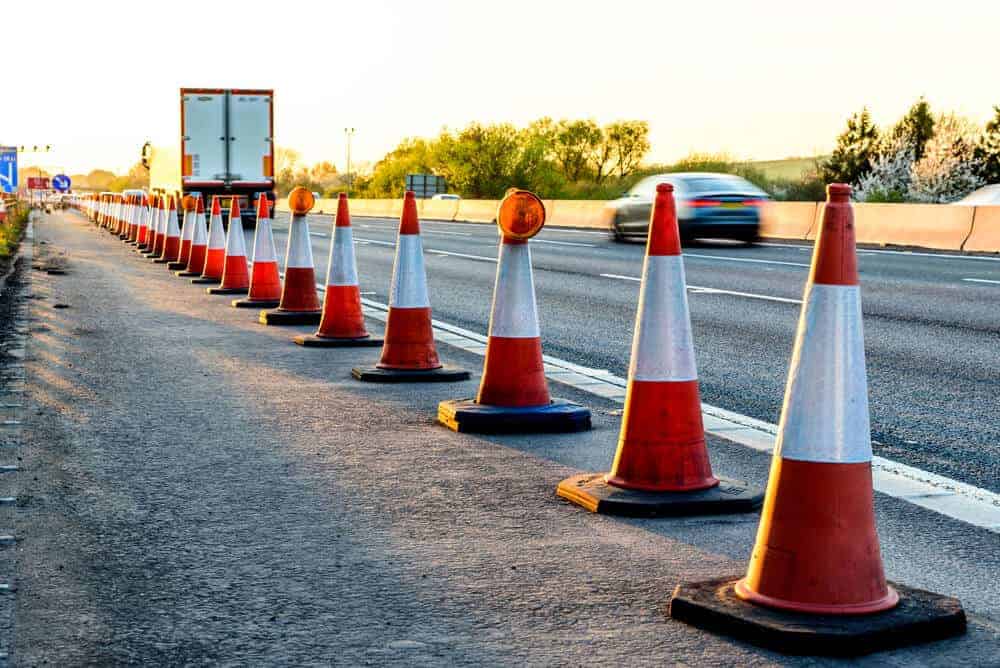
1. Removing Workers From Traffic Zones
To manually place cones, a crew member must stand on a low platform or walk along a moving truck bed, exposed to oncoming traffic. One distracted driver or minor misstep can lead to a catastrophic incident. An automated truck completely removes the human element from this hazard zone.
Because the machinery lifts and places heavy objects from a secure internal mechanism, your ground crew never touches live lanes during setup. By keeping your team entirely out of harm’s way, you instantly lower your incident rates and eliminate the single greatest source of roadside trauma.
2. Consistent Marker Placement Every Time
Human error and fatigue will lead to inconsistent cone spacing, especially during long nights. A wide gap or crooked line confuses drivers, making work zone vehicles unsafe. Each cone is dropped precisely by an automated system, eliminating variance.
An on-board computer tracks vehicle speed and provides perfect spacing according to your programmed digital site layout. This creates a visual barrier that drivers can see and feel without any doubt. When given the perfect taper, drivers always slow down and merge lanes with less erratic movements.
3. Faster Setup and Removal Times
Road crews face the greatest risk when establishing and removing lane closures. The longer it takes to set up the taper, the longer your vehicles and people are vulnerable. An automated cone truck can place a kilometre of traffic markers faster than a human team.
By scrapping the setup and pack-down windows, you avoid total traffic disruption and save the actual hours for construction work. It moves travellers and gets your crew off live asphalt and behind secure barriers quickly.
4. Lower Physical Strain on Your Workers
Lifting, twisting, and throwing hundreds of heavy, weighted traffic cones every day is very hard on the human body. A worker could lift several tonnes of dead weight in one shift and still end up with back, shoulder, and wrist injuries over time.
Automating this hard work keeps your crew from feeling burned out. Having the machine haul and monitor site safety and traffic keeps your team fresh, alert, and focused. Refreshing your employees would greatly reduce workplace injury claims and improve morale.
5. Better Visibility in Low Light Conditions
Glare, fatigue, and poor visibility make night shifts dangerous for drivers. Manually placing cones in the dark is dangerous because workers can’t see until a car hits them. Automated trucks can help in this regard by serving as large, bright safety lamps.
With high-intensity LED work lights, strobe arrays and directional arrow boards on the trucks, they light up the entire taper zone. This massive visual footprint alerts drivers hundreds of metres down the road of the safety zone before they reach the work area.
6. Lower Operational Costs Over Time
A single roadside accident can derail a project, cause massive insurance costs and bring on catastrophic legal or medical expenses. You can avoid these huge expenses and reduce collision risk by doing so in advance.
Top safety tech companies will also have lower commercial insurance premiums and bid better on government infrastructure projects. Safety-first technology is not only about protecting; it is a smart business decision.
Leading Your Team With Modern Safety Tech
Traffic management automation eliminates manual road work dangers quickly and permanently. You can control site logistics and risk management by abandoning old deployment practices. Protect your crew 24/7 with the best protection. Working with a progressive equipment provider and integrating automated systems into your project layout will ensure a safe, efficient work site.