
Talk therapy is the backbone of good addiction treatment, and it should be. But if you’ve ever sat in a group and felt your mind go blank when it was your turn, you already know the problem. For a lot of people, words are the hardest part. The feelings driving the drinking or the drug use are buried somewhere talking can’t easily reach.
That’s where art, music, and animal therapy come in. Not as replacements for real treatment, and not as feel-good extras. As different doors into the same room.
When words are the hard part
Plenty of people in recovery grew up learning to hide what they felt. Others carry trauma they’ve never said out loud to anyone. Ask them to share how something makes them feel, and they freeze, or they give the answer they think you want. The emotion is there. The words aren’t.
These approaches work on that gap. Making something, playing something, or sitting quietly with an animal lets a person express what’s going on without having to find the perfect sentence first. Sometimes that opens a door that stays open once they head back to talk therapy. That’s the real point. They’re a bridge, not a detour.
What each approach actually offers
It helps to be honest about the evidence here, because these therapies get oversold. Some have solid research behind them. Others are promising but still being studied. All of them work best added to core treatment, not swapped in for it.
Music therapy
Music therapy has the strongest research of the three. In a 2022 Cochrane review that pooled 21 trials involving 1,984 people, researchers found moderate-certainty evidence that music therapy added to standard care reduces substance cravings and improves a person’s motivation to stay in treatment. That matters, because craving and dropping out are two of the biggest threats in early recovery.
Music therapy isn’t a sing-along. A trained therapist might have someone write lyrics about what they’re going through, drum to release tension, or use a song to name a feeling they couldn’t say plainly. For people who shut down in conversation, it can be the first time the wall comes down.
Art therapy
Art therapy asks a person to draw, paint, or build something instead of explaining it. The evidence base is lighter than music therapy’s, and honest programs will tell you so. Still, many clinicians see the same thing over and over: someone who can’t talk about their shame will draw it, and once it’s on paper, they can finally look at it and start to put it into words.
The goal isn’t a nice picture. It’s getting the thing out of your head and into the open, where it can actually be worked on.
Animal-assisted therapy
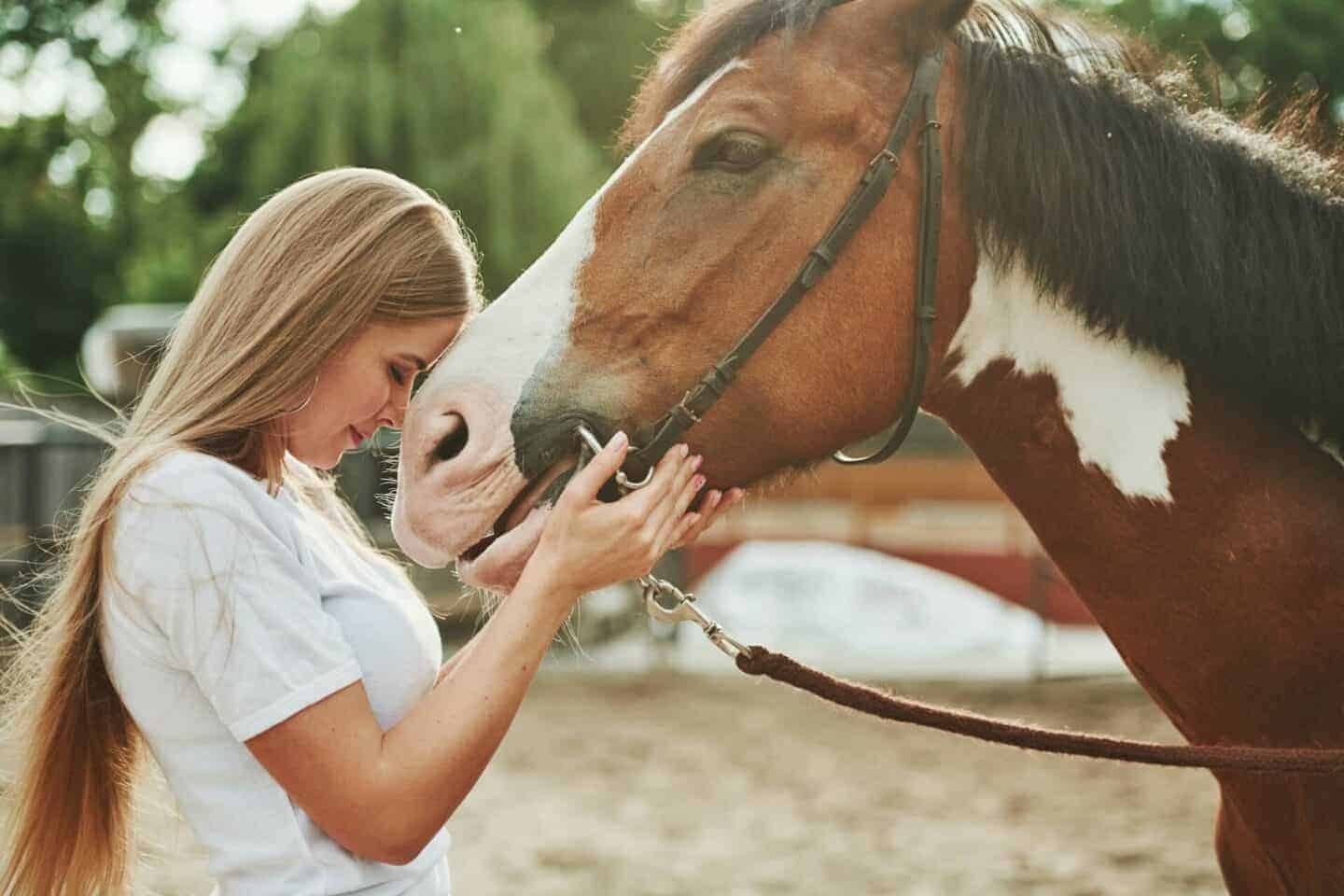
Spending structured time with a trained therapy animal, often a dog or a horse, tends to calm people down and lower their guard. A recent systematic review of 31 studies found that animal-assisted therapy often produced short-term drops in anxiety across different clinical groups, though the long-term benefits were mixed and the research is still catching up.
For someone in early recovery, anxiety runs high, and a calmer body makes the harder work of therapy possible. A dog doesn’t judge, doesn’t push, and doesn’t care about your worst day. For people who’ve lost trust in other humans, that can be a gentle way back in.
What it looks like in real life
Picture a man three weeks into treatment who barely speaks in group. He answers in a word or two and stares at the floor. One afternoon the program holds a music session, and he ends up writing a few lines about his kids. His voice cracks reading them out loud. It’s the first real thing anyone there has heard him say.
Nothing magical happened. He wasn’t cured by a songwriting exercise. But that crack in the wall gave his counselor something to work with, and the next week he said more in group than he had the whole month before. The music didn’t do the healing. It opened the door so the healing could start.
Where these fit, and how to find them
Think of these therapies as part of a bigger plan, not the whole plan. The core of recovery is still counseling, medical care when it’s needed, and steady support. Art, music, and animal therapy make that core easier to reach, especially for people who find plain talking hard.
The need is enormous. SAMHSA’s 2023 National Survey on Drug Use and Health estimated that about 48.5 million Americans aged 12 and older had a substance use disorder that year. Anything that helps more of them stay engaged in treatment is worth paying attention to.
If this sounds like it might fit you or someone you love, look for a program that treats the whole person. Places that offer addiction treatment with experiential therapies build these approaches around solid clinical care, so the creative work supports the recovery instead of standing in for it. When you call, it’s fair to ask exactly how they use these therapies and what the rest of the treatment looks like.
And if things ever feel like too much, or you start having thoughts of harming yourself, you don’t have to wait it out alone. You can reach the 988 Suicide & Crisis Lifeline any time by calling or texting 988.
The part worth remembering
Recovery asks people to feel things they’ve spent years avoiding. For some, a paintbrush, a drum, or a dog’s steady presence is what finally makes that bearable. These aren’t the cure, and nobody should sell them that way. But they help people show up, open up, and stay long enough for the real work to take hold. Sometimes that’s the whole difference between someone who walks out early and someone who stays.
Sources
- Ghetti C, et al. Music therapy for people with substance use disorders. Cochrane Database of Systematic Reviews, 2022 — 21 trials, 1,984 participants; moderate-certainty evidence that music therapy added to standard care reduces substance craving and improves motivation for treatment. https://pubmed.ncbi.nlm.nih.gov/35532044/
- Animal-Assisted Therapy for Reducing Anxiety in Vulnerable Clinical Populations: A Systematic Review (peer-reviewed; 31 studies, spanning 2013–2023) — most interventions reported significant short-term reductions in anxiety, with mixed long-term outcomes. https://www.ncbi.nlm.nih.gov/pmc/articles/PMC12840666/ [VERIFY: confirm exact publication year — this review is very recent (2024/2025); I could not open the page directly to confirm the print year.]
- Substance Abuse and Mental Health Services Administration (SAMHSA), 2023 National Survey on Drug Use and Health — an estimated 48.5 million Americans aged 12+ (17.1%) had a substance use disorder in 2023. https://www.samhsa.gov/data/report/2023-nsduh-annual-national-report