
Britain’s stock of old buildings is often talked about in cultural terms, but the numbers behind it tell a different story. Historic England’s most recent Heritage Counts research, produced by the Centre for Economics and Business Research, put the sector’s total contribution to the UK economy at £44.9 billion in Gross Value Added for 2022, supporting over 523,000 jobs across construction, tourism and professional services.
That figure includes the sector’s direct output of £15.3 billion, plus a further £29.6 billion generated through supply chains and the spending power of heritage workers.
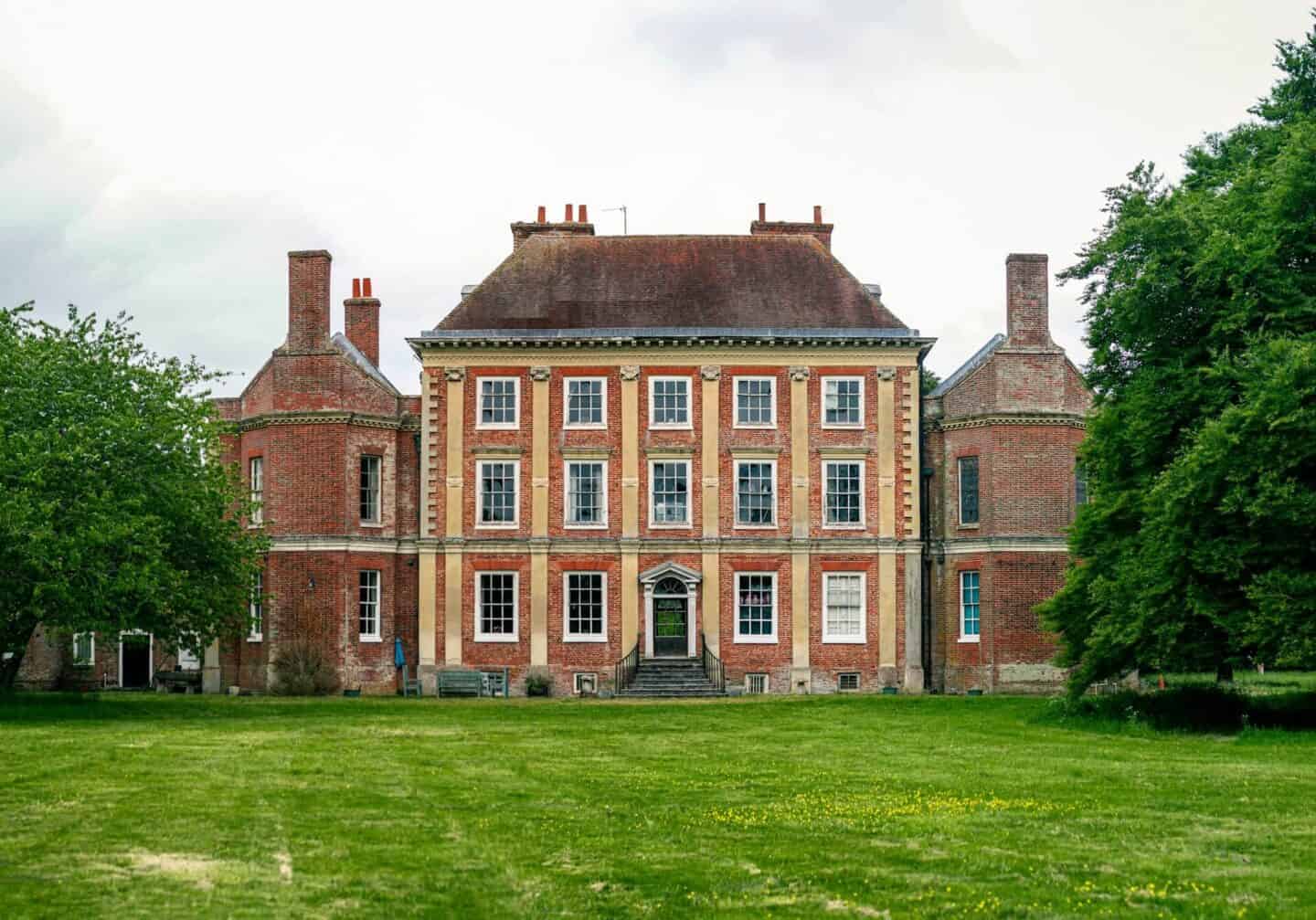
Behind those headline figures sits a working economy of stonemasons, lime plasterers, conservation architects, specialist estate agents and insurers. It keeps roughly half a million people in work and props up rural economies that would otherwise struggle.
Where the Money Actually Comes From
Construction is by far the largest slice of the heritage economy, generating £7.42 billion in GVA on its own in 2022. That covers repair, maintenance and adaptation of historic buildings, from parish churches to Georgian terraces. Libraries, archives and museums add roughly £3.34 billion, and architectural and engineering services make up the third-largest sub-sector. Together, the top three sub-sectors account for over 80% of the heritage sector’s direct GVA.
Tourism is what most people picture first. Historic attractions saw revenues rise by 10% in 2023 compared with the previous year, and overseas visits to historic sites climbed 76% year on year, with London and the South West drawing the biggest share of international visitors.
The Trades That Keep Old Buildings Standing
Modern building sites run on cement, plasterboard and mass-produced materials. Heritage sites cannot. A Grade II farmhouse in Herefordshire or a Georgian townhouse in Bath usually requires like-for-like materials and traditional techniques, both to satisfy listed building consent and to avoid causing long-term damage to the structure.
That’s why the sector still supports jobs most people assume have disappeared:
- Lime plasterers working with breathable materials suited to older walls
- Stonemasons trained in regional stone types, from Cotswold limestone to Yorkshire gritstone
- Blacksmiths producing bespoke ironwork for railings, gates and window furniture
- Joiners specialising in sash windows, panelling and period doors
Historic England has flagged a looming skills gap in these trades for years, warning that an ageing workforce puts major projects at risk, including the restoration of the Palace of Westminster.
The Professional Services Layer
Above the trades sits a layer of professional services that most homeowners never need to think about. Conservation architects, chartered surveyors with heritage experience and specialist estate agents like Savills and Knight Frank all earn a living from properties mainstream firms won’t touch. Rebuild costs alone can be double or triple those of a modern equivalent, which changes everything from mortgage arrangements to survey requirements.
Insurance is another piece that catches new owners off guard. Standard household policies rarely account for the higher rebuild costs or the legal duty to reinstate with matching materials. Owners who don’t arrange specialist listed building home insurance risk finding out too late that their standard policy won’t cover the full cost of reinstating a Grade II or II* property in England and Wales, or a Category A, B or C building in Scotland, with the correct materials and techniques.
What It All Adds Up To
For every £1 of GVA the sector generates directly, Heritage Counts estimates a further £1.93 flows into the wider economy through supply chains and induced spending. That multiplier is why heritage matters to Treasury forecasts and local council budgets, not just to preservationists.
The old buildings need people who know what they’re doing, whether that’s the mason on the scaffold or the underwriter pricing the policy. Take any of those specialists out of the picture and the numbers stop working.