
When people think about accidents, they usually focus on the immediate moment. The shock, the injury, the hospital visit. What often gets overlooked is everything that follows once the visible injuries start to heal. For many in places like Las Vegas, the real impact of an accident shows up quietly, weeks or even months later, in ways that are not always easy to explain.
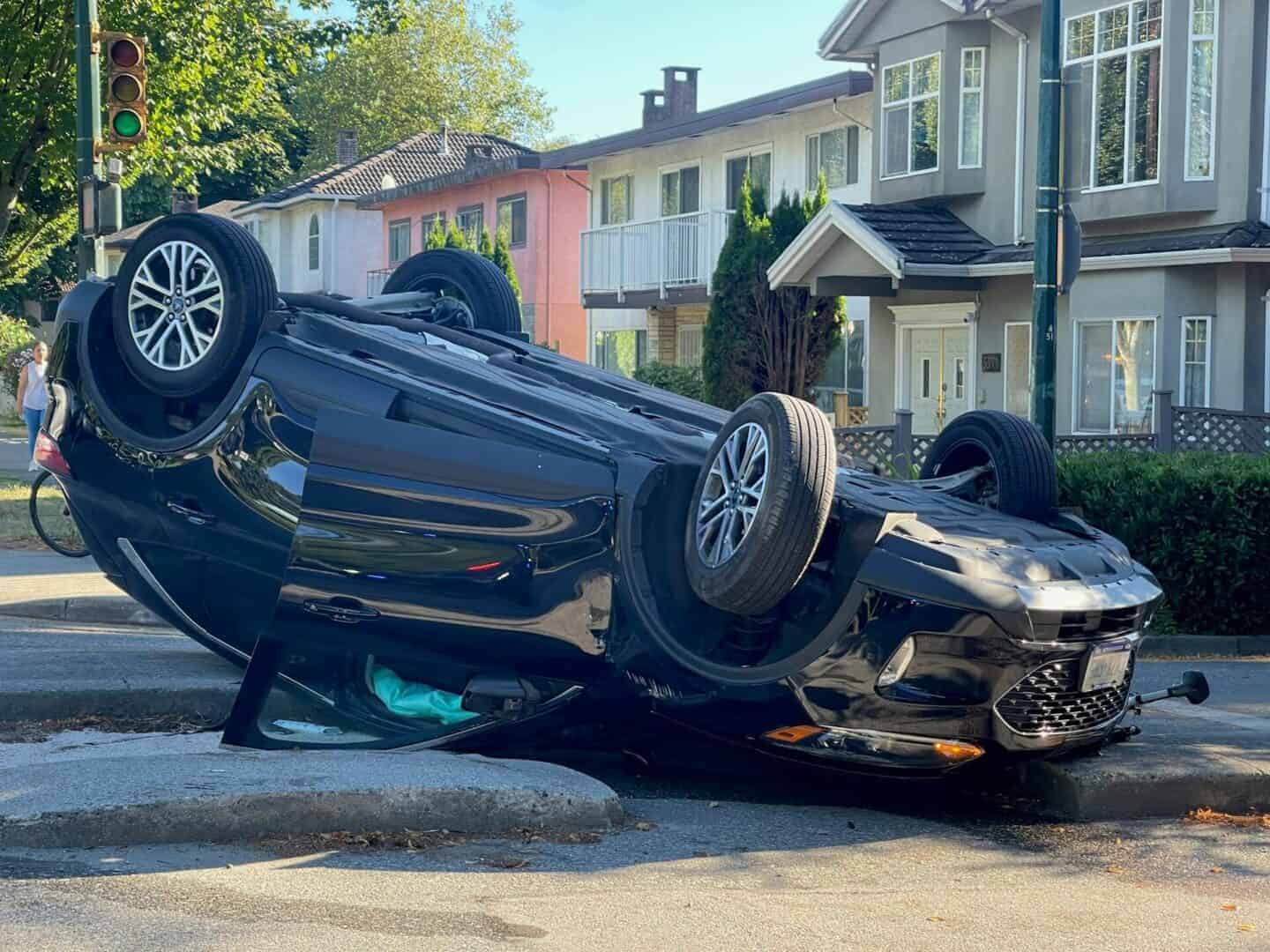
And it is also true that life doesn’t pause after an accident. Bills still arrive, responsibilities remain, and expectations to “get back to normal” linger, even when normal no longer feels the same. The hidden aftermath isn’t always dramatic. But it can be deeply disruptive, affecting daily routines, emotional well-being, and long-term stability.
Having said that, here are some of the less-discussed ways accidents continue to shape lives long after the initial event. So, without any further wait, dive into the article!
1. Financial and Practical Stress Builds Quietly
Medical bills are just one part of the financial ripple effect after an accident. Missed workdays, reduced income, ongoing treatment costs, and unexpected expenses can create stress that compounds over time.
Some of the hidden financial challenges often include:
- Lost wages during recovery.
- Ongoing therapy or follow-up care.
- Transportation or accessibility costs.
- Pressure to return to work too soon.
Hence, for people navigating injuries caused by someone else’s negligence, understanding available options becomes important. In situations like these, speaking with an experienced personal injury lawyer in Las Vegas can help individuals understand their rights and responsibilities without feeling rushed or overwhelmed.
The good news? Some reputable firms, such as Cogburn Davidson Car Accident & Personal Injury Lawyers, focus on supporting people through injury-related challenges. So, they can make informed decisions during an already stressful time. This way, practical guidance often eases mental strain by replacing uncertainty with clarity.
2. The Emotional Weight That Lingers Longer Than Injuries
Physical recovery is often visible and measurable. Emotional recovery, on the other hand, tends to be quieter—and more complicated. After an accident, many people experience lingering anxiety, fear, or unease that does not always make sense to others.
This emotional weight can show up as:
- Nervousness while driving or walking in busy areas.
- Trouble sleeping or frequent flashbacks.
- Irritability or emotional withdrawal.
- Feeling overwhelmed by tasks that once felt simple.
Because these reactions are not always linked to visible injuries, they are often dismissed or minimized. Yet emotional strain can be just as exhausting as physical pain. Healing takes time, and acknowledging emotional impact is a crucial part of moving forward.
What helps most is patience—both from yourself and from those around you—and recognizing that emotional recovery is not linear. For many survivors, simply meeting with a lawyer who prioritizes psychological trauma alongside medical bills can provide an unexpected sense of relief and validation. Handing over the exhausting administrative burdens of a claim allows an individual the mental space required to truly heal from the invisible scars left behind.
3. Everyday Routines Suddenly Feel Harder
One of the most frustrating aspects of accident recovery is how it disrupts ordinary life. Tasks that once required no thought—carrying groceries, commuting to work, managing childcare—can suddenly feel overwhelming.
Many people struggle with:
- Reduced mobility or lingering pain.
- Fatigue that limits productivity.
- Needing help with daily tasks.
- Feeling guilty for slowing others down.
This loss of independence can affect confidence and self-identity. People often push themselves too quickly, trying to prove they are “fine,” even when their body says otherwise.
Allowing yourself to adjust routines and ask for help is not a weakness—it’s adaptation. Small accommodations often make a big difference in preserving energy and emotional balance.
4. Relationships and Identity Shift in Unexpected Ways
Accidents do not just affect individuals—they affect relationships. Partners, family members, and friends may suddenly take on caregiving roles or struggle to understand invisible pain. Meanwhile, the injured person may feel disconnected from the version of themselves they once knew.
Common relationship challenges include the following:
- Feeling misunderstood or burdened.
- Frustration over changing roles.
- Difficulty communicating needs.
- Isolation during recovery.
Identity can shift, too. People who once defined themselves by productivity, independence, or physical activity may feel lost when those traits are temporarily unavailable to them.
Healing in this phase often involves redefining strength—not as endurance, but as adaptability. Open communication and self-compassion help rebuild both relationships and self-confidence over time.
To Sum It All Up!
The aftermath of an accident does not always look the way people expect. Beyond physical injuries, there are emotional, practical, financial, and relational layers that take time to process. These challenges are real—even when they are invisible.
Acknowledging the hidden impact allows space for healing that is honest and sustainable. Recovery is not about rushing back to who you were—it is about moving forward with awareness, support, and patience.
All in all, life after an accident may feel unfamiliar, but with the right understanding and guidance, it’s possible to regain stability and confidence—one step at a time.