
If you’re a senior or caring for one, nail changes can feel confusing.
One day the nails look normal; the next day they’re thicker, yellower, or growing slower than they used to. Thus, it’s hard not to wonder: Is this just aging… or is something wrong?
The reassuring thing is that most nail changes in older adults really are just age doing what age does.
The more serious stuff? It’s actually the minority, and the rarest of all are the changes tied to major illnesses.
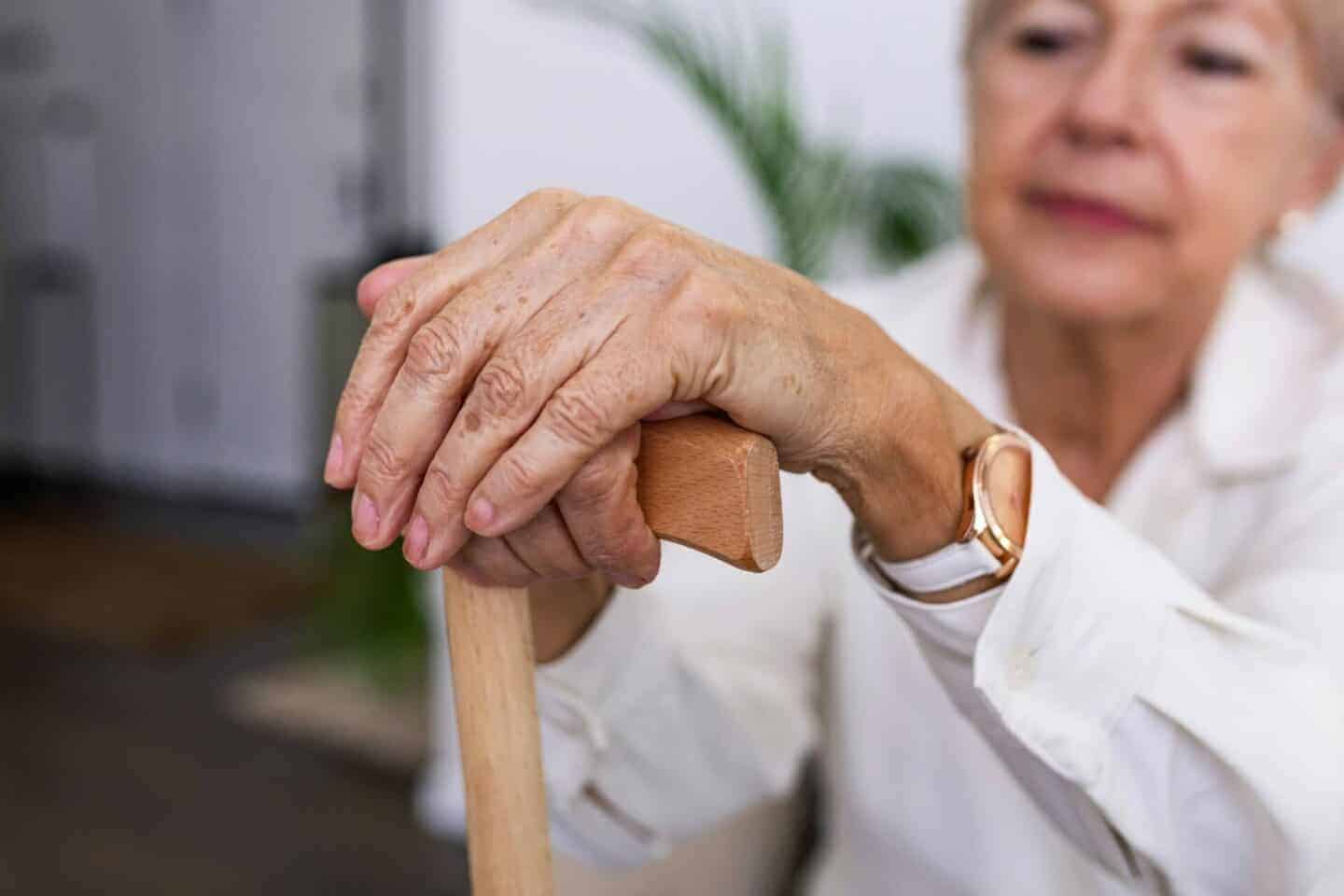
But, and this is important, even “small” infections, injuries, or circulation issues hit harder in older age. That’s why knowing the difference between normal, treat-at-home, and call-a-professional matters so much.
This article breaks it down in a clear, practical way:
- What’s completely normal;
- What you can manage at home with simple care;
- What deserves medical attention.
Let’s start with the changes that look alarming but are actually nothing more than aging doing its thing.
1. Senior Nail Changes That Are Completely Normal
A lot of seniors quietly worry about their nails, so if you, too, have ever Googled something like:
- “Why are my nails getting ridges?”
- “Are yellowish nails normal in old age?”
- “Why are my toenails thicker now?”
…we’re here to tell you: You’ve got nothing to fear.
All of these fall into the category of totally normal, age-related changes. Let’s break down what’s actually happening with your nails.
2. Thicker Toenails in Seniors
Toenails, more than fingernails, tend to bulk up as we age. Years of walking, pressure from shoes, and slower circulation in the feet make them thicker and harder.
Trimming them at home can feel tricky, so if you’re thinking, “I need a senior toenail cutting service near me,” that’s totally normal.
Many older adults look for professional help just to keep their feet comfortable and safe, and honestly? Good on you!
3. Slower Nail Growth in Seniors
As we age, nails basically hit the brakes. They grow up to 50% slower compared to when you were 30.
That means longer time between trims, especially for toenails. It’s not disease but simply a slower cell turnover and reduced circulation (the same reason cuts also heal slower).
4. Mild Yellowing or Dullness of Nails
A slight yellow tint or a more opaque look is very common in seniors. Most of the time, it’s simply the keratin in the nail changing over decades.
In stylish older women, it can also be from long-term nail polish use or staining.
5. Vertical Ridges
Those long lines running from the cuticle to the tip? Almost everyone gets them past 60.
They’re just uneven growth patterns from the nail matrix slowing down.
6. Nail Brittleness and Splitting
Dryer skin comes with age, and so do dryer nails. Less natural oil = nails that chip or peel more easily.
Warm weather, frequent handwashing, and cleaning products make it more noticeable as well.
Overall, if your nails are simply slower-growing, slightly yellow, ridged, brittle, or thicker—you’re looking at normal aging.
Now, let’s move on to the changes that actually do deserve attention.
7. Senior Nail Changes That Raise Concerns
Okay, let’s talk about the nail changes that aren’t just part of getting older. Seniors usually notice these suddenly, and the first reaction is often, “This doesn’t look like my usual aging stuff.”
And that instinct is usually right.
Here are the changes that shouldn’t be ignored (and yes, you might need to remove that gel polish to see them clearly):
- Dark streaks or patches – A new brown, black, or very dark streak on a single nail is not normal aging. Especially if it gets wide or has ragged edges. This can be a sign of melanoma under the nail.
- Sudden, severe thickening of one nail – This can be common with age, but when ONE nail suddenly becomes extremely thick, yellow, or oddly shaped, that can signal infection or underlying growths.
- Beau’s Lines – If you see a deep groove running across the width of the nail, like someone pressed a dent into it, that means nail growth was interrupted. A common trigger for this could be a high fever, uncontrolled diabetes or major illness.
- Nail lifting from the skin – When the nail starts separating from the nail bed without an obvious injury, it’s a red flag for fungal infection, psoriasis, thyroid issues, or irritation from products.
- Clubbed Nails – If fingertips look swollen and nails start curving downward like a spoon flipped upside-down, this can be linked to heart or lung issues.
- Nails that turn blue or very white – Blue nails signal poor oxygen circulation, while very pale or chalk-white nails can be linked to liver or kidney problems.
In short, anything new, sudden, painful, one-sided, or dramatically different from your usual nail patterns is worth checking.