
The stretch between paydays often presents an obstacle course for many UK households. After a careful monthly budget has been set, an unexpected bill might suddenly appear or a household appliance may break down at the most inconvenient moment. Financial gaps like these tend to cause stress and uncertainty, particularly when they develop in the days leading up to the next salary payment.
Managing money well requires more than just planning ahead. It means knowing what steps to take when money gets tight. Most people go through times when their cash runs low but important bills still need paying. Learning how to handle these moments comes down to simple habits and finding methods that work best, especially as prices rise faster than many wages. Keep reading to find out more.
Why the Payday Gap Challenges Even Careful Budgeters
Monthly pay cycles create a basic mismatch with how expenses actually occur. Bills, groceries, and daily costs don’t arrive in neat monthly packages. Instead, they pop up throughout the month, creating cash flow problems even for those who plan carefully.
Recent studies show that many UK adults find it difficult to afford common household expenses. This challenge isn’t limited to those on lower incomes. Professionals with above-average earnings often experience tight cash flow before payday.
In urban areas like London, the challenge grows. Higher living costs mean even small unexpected expenses can upset a budget. A broken appliance or car repair can quickly use up available funds when they occur at the wrong time in the pay cycle.
The psychological effects of these financial gaps shouldn’t be underestimated. Money worries rank among the top causes of stress for UK adults. The anxiety of watching bank balances dwindle while still facing days until payday can affect sleep and overall wellbeing.
For those seeking temporary solutions, knowing all available resources is important for making well-informed decisions during financially tight periods. Options from regulated providers like Payday UK may be worth considering alongside other strategies.
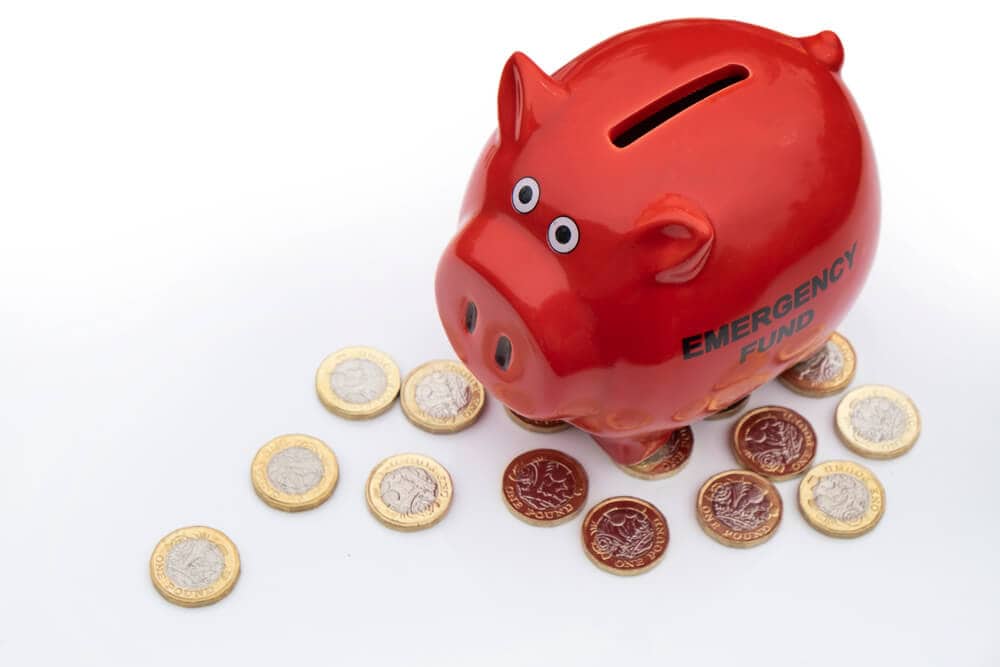
Emergency Fund Building Strategies That Actually Work
Creating a financial buffer doesn’t require massive income or drastic lifestyle changes. Small, consistent actions build up savings over time. The key is beginning with a modest approach and making saving automatic.
The pay yourself first method works even on tight budgets. Setting aside just £10-20 when paid before spending on anything else establishes a saving habit. This small amount feels manageable but adds up to £120-240 annually.
Micro-saving techniques make building reserves simple. Rounding up purchases to the nearest pound and saving the difference can accumulate helpful sums without feeling the pinch. If a coffee costs £2.40, saving the 60p difference adds up quickly across multiple transactions.
Digital tools have reshaped emergency fund building. Apps review spending patterns and automatically move small amounts into savings. These tools work in the background, requiring no daily decisions or willpower.
When to Use Your Emergency Fund vs. When to Find Alternatives
Genuine emergencies share specific traits: they’re unexpected, urgent, and necessary. Car repairs needed for work commutes, essential home repairs, or medical expenses typically qualify. Entertainment or non-essential purchases don’t justify dipping into emergency savings.
Before using emergency funds, consider whether the expense can be delayed or if other options exist. Family help, payment plans, or overtime opportunities might preserve hard-earned savings. Many utility companies offer hardship programs when contacted proactively.
For different financial needs, different solutions make sense. Small, temporary shortfalls might be better managed through careful budget adjustments rather than using emergency savings. Holding onto your emergency fund for true crises provides both financial and psychological security.
Practical Cash Flow Management Between Paydays
Creating a priority-based spending plan helps handle lean periods effectively. Categorising expenses as essential, important, and discretionary provides a framework for making tough decisions when cash is tight. Housing, utilities, and food come first.
Bill timing often creates cash flow problems. Many households find relief by contacting service providers to adjust payment dates. Moving bill due dates to align better with payday can prevent overdrafts and late fees while maintaining essential services.
Tracking expenses becomes especially important during tight financial periods. Simple methods like keeping receipts or using spending apps can reveal patterns and opportunities for adjustment. This awareness often prevents overspending before it occurs.
Strategic credit card use can help manage cash flow without creating debt. Using cards for necessary purchases shortly after the statement date maximises the interest-free period. This approach works only when combined with disciplined repayment when payday arrives.
Digital Tools That Support Financial Stability
Digital money management platforms designed for UK users provide strong guidance during difficult stretches. Secure tools connect directly to bank accounts and sort spending into categories.
Automated saving features gradually collect minor sums that lead to helpful savings without requiring daily effort. This approach allows regular saving without the feeling of sacrifice.
Some digital services help review regular household bills for possible savings. They send reminders ahead of due dates and suggest cheaper service providers. Reassessing contracts for utilities or subscriptions can free up essential funds.
Taking advantage of cashback and rewards systems linked to necessary spending stretches a limited budget even further. Prioritising these schemes when making essential purchases uses every pound wisely.
Pre-Payday Financial Health Check
Before each payday, a focused financial check-up can prevent overlooked issues. Begin with a clear breakdown of expenses for the coming pay cycle, placing rent or mortgage payments, utility bills, and groceries at the top.
Reviewing recent purchases and payments often reveals repeated discretionary spending or overlooked subscriptions that could be scaled back. Bringing attention to shifting habits gives an accurate snapshot of financial health.
This regular check-in takes just 15-20 minutes but helps prevent many common financial problems. It increases awareness of a person’s true financial position and helps avoid the stress of unexpected shortfalls.
True Cost Comparison for Short-Term Money Options
Weighing the real cost of short-term money solutions means looking beyond interest or fees alone. For instance, an arranged overdraft or using a credit card each comes with its own set of potential charges and access conditions.
Besides direct costs, consider accessibility and impact. Overdrafts require existing banking relationships but process instantly. Credit cards provide immediate funds but may affect utilisation ratios. Short-term loans offer access without existing relationships.
The most suitable option depends on the specific situation, including how quickly funds are needed and the time until repayment. Always calculate the total repayment amount rather than focusing only on the interest rate or fees on their own.
With practical planning and the right tools and resources, most households can get through the demanding stretch between paydays without harming their longer-term financial well-being. The key is making well-informed choices based on each household’s situation.
Use These Smart Tactics Now to Stay in Control Until Payday
Navigating the stretch between paydays doesn’t have to mean stress, compromise, or financial instability. With a solid grasp of emergency fund strategies, smarter short-term borrowing decisions, and practical budgeting techniques, you can keep control even when the calendar seems to work against you. Tools and resources designed for UK households make it easier than ever to stay informed and prepared.
Now’s the time to take small but meaningful steps. Whether automating savings, adjusting bill due dates, or reassessing discretionary spending, your financial wellbeing can benefit from consistent attention and a few proactive habits. Use these strategies to make your money work smarter, and reduce the pressure when payday feels just out of reach.