
Creating an occupational therapy activity schedule for your child can significantly enhance their daily routines and overall development. Visual schedules provide clear expectations, promote independence, and help children transition smoothly between activities. A well-designed occupational therapy schedule can boost a child’s confidence, improve time management skills, and support their unique needs.

Implementing an activity schedule tailored to your child’s occupational therapy goals requires thoughtful planning and consistency. Consider incorporating ADHD occupational therapy activities that target specific areas of development while keeping the schedule engaging and achievable. Start with simple, familiar tasks and gradually introduce more complex activities as your child becomes comfortable with the routine.
Remember that flexibility is key when creating and using an occupational therapy schedule. Be prepared to adjust the plan based on your child’s progress, energy levels, and changing needs. Regular communication with your child’s occupational therapist can help ensure the schedule remains effective and aligned with therapeutic goals. While this content aims to inform, it is not intended to replace professional medical advice. We recommend seeking advice from a healthcare professional for any medical concerns.
Key Takeaways
- Visual schedules provide structure and promote independence in children
- Tailor activities to address specific occupational therapy goals
- Regularly review and adjust the schedule to meet changing needs
Designing the Occupational Therapy Schedule
Creating an effective occupational therapy schedule requires careful consideration of your child’s unique needs and abilities. It involves selecting appropriate activities and organizing them in a structured framework.
Identifying Your Child’s Needs and Abilities
Begin by assessing your child’s current skills and challenges. Consult with their occupational therapist to understand specific areas that need improvement. Consider your child’s:
- Fine and gross motor skills
- Sensory processing abilities
- Cognitive function
- Attention span
- Daily living skills
Take note of activities your child enjoys and those they find challenging. This information will help tailor the schedule to their individual needs and preferences.

Selecting Appropriate Activities and Tasks
Choose activities that address your child’s therapy goals while remaining engaging and achievable. Consider:
- Age-appropriate tasks
- Activities that target specific skills
- A mix of challenging and familiar tasks
Include a variety of activities such as:
- Fine motor exercises (e.g., puzzles, drawing)
- Gross motor activities (e.g., obstacle courses, ball games)
- Sensory integration tasks
- Self-care routines (e.g., dressing, hygiene)
Consult with your child’s occupational therapist for activity suggestions that align with therapy objectives.
Creating a Structured and Organized Framework
Develop a consistent routine that provides structure and predictability. Consider:
- Time of day when your child is most alert and receptive
- Duration of activities based on attention span
- Balancing therapy tasks with rest periods
Use visual aids to enhance understanding and promote independence:
- Picture schedules
- Timer tools
- Visual task breakdowns
Implement a reward system to motivate participation and celebrate achievements. Regularly review and adjust the schedule as your child progresses and their needs evolve.
Implementing and Adapting the Schedule
Creating an effective occupational therapy activity schedule requires careful implementation and ongoing adjustments. Visual supports, flexibility, and regular evaluation are key components for success.
Using Visual Schedules and Supports for Clear Communication
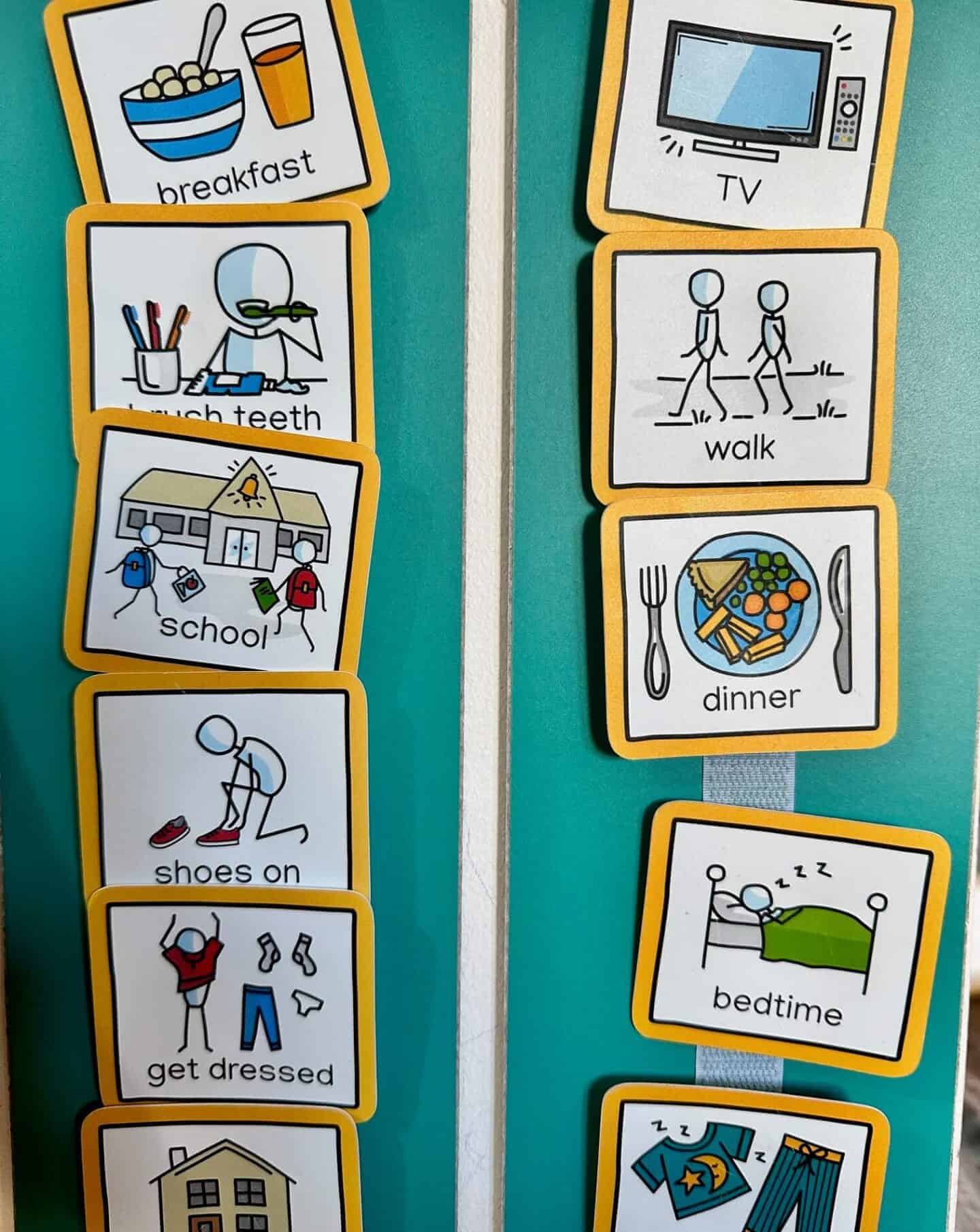
Visual schedules enhance communication and provide structure for children with sensory processing issues. Use a combination of images and text to create clear, understandable routines. Photographs, drawings, or symbols can represent activities, while simple text reinforces literacy skills.
Laminate schedule components and attach them with Velcro for easy rearrangement. This allows children to physically move completed tasks, fostering a sense of accomplishment. Place the schedule at eye level in a consistent location, such as near the child’s desk or on a bedroom wall.
Introduce the schedule gradually, explaining each step. Guide the child through the process, offering verbal and physical prompts as needed. Consistency is crucial for establishing the routine.
Incorporating Flexibility for Successful Transitions
While structure is important, build flexibility into the schedule to accommodate unexpected changes. Include choice options for certain activities, allowing the child some control over their routine. This promotes decision-making skills and eases transitions.
Use visual timers or countdown techniques to signal upcoming transitions. Prepare the child for changes by discussing them in advance when possible. Incorporate preferred activities strategically throughout the day to motivate and reward compliance.
Consider sensory needs when planning transitions. A sensory break or calming activity might be necessary before moving to a more demanding task. Be prepared to adjust the schedule if the child becomes overwhelmed or fatigued.
Evaluating Progress and Adjusting the Schedule
Regularly assess the effectiveness of the activity schedule. Monitor the child’s ability to follow the routine independently and their overall behavior and emotional regulation. Keep track of successful completions and challenging moments.
Collaborate with teachers, therapists, and family members to ensure consistency across environments. Gather feedback on the schedule’s impact on daily routines, academic performance, and social interactions.
Make incremental changes based on observations and feedback. Gradually increase task complexity or duration as the child masters current activities. Remove or modify components that consistently cause stress or confusion.
Celebrate progress and achievements, no matter how small. Use positive reinforcement to encourage continued engagement with the schedule. As the child grows and develops, be prepared to adapt the schedule to meet changing needs and goals.
Conclusion
Creating an occupational therapy activity schedule for your child can be highly beneficial. It provides structure, promotes independence, and supports skill development. A well-designed schedule tailored to your child’s needs can enhance their daily routines and therapy outcomes.
Remember to involve your child in the process and make adjustments as needed. Consistency and flexibility are key to success. With time and practice, an activity schedule can become an invaluable tool for your child’s growth and development.