
Choosing the right material for upholstering your furniture is a crucial yet often daunting task. With numerous options available, it can be overwhelming to decide which fabric best suits your needs and requirements. In this article, we will discuss some of the top materials to consider when refurbishing your beloved furniture pieces, ensuring both style and durability.
The first factor to bear in mind is the purpose and location of your furniture. Different materials have varying properties, making them suitable for specific uses and settings. For instance, delicate fabrics like silk are ideal for formal living rooms, while more robust materials, such as microfibre or nylon, are better suited for high-traffic areas of your home.
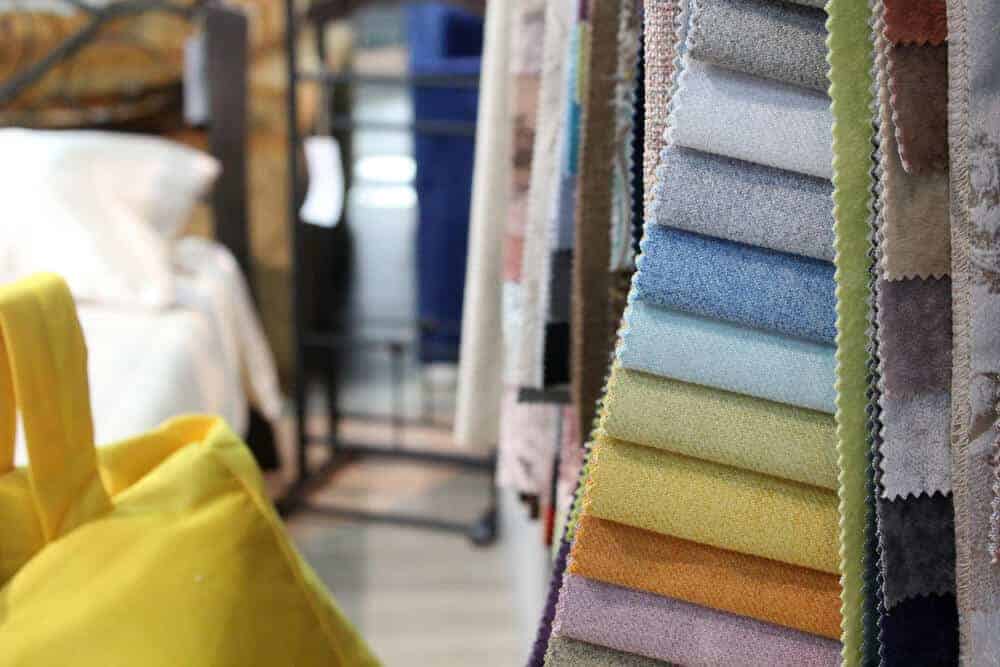
Another important aspect to consider is your budget. The cost of upholstery fabrics can vary significantly, with more luxurious materials like velvet commanding a higher price. However, there is a wide range of affordable options available, such as cotton, which offers durability and comfort without breaking the bank. By understanding your needs and budget, you can make the best decision when selecting the perfect upholstery material for your furniture.
If you are not confident in starting your upholstery work look for upholstery services in Bristol, where you can find a variety of options including specialist upholstery and soft furnishings suppliers, upholstery training schools, and upholstery and restoration workshops in the area.
Understanding Upholstery Materials
When it comes to upholstering your furniture, selecting the right materials is crucial for both aesthetics and durability. Here we will explore the different types of upholstery fabrics and options for foam and fillings for cushions.
Types of Upholstery Fabric
There is a wide range of different upholstery fabrics available, each with its own unique characteristics. Some popular for the best upholstery fabric include:
- Cotton: A natural fibre that is breathable, soft and durable. Cotton fabric can be dyed easily and is available in a variety of colours, patterns and thread count. A good fabric choice.
- Linen: Another natural fibre, linen is known for its strength and resistance to wear. It is often blended with other fibres for increased durability.
- Polyester: A synthetic fibre, polyester is highly durable and resistant to staining, fading and water damage. It is often combined with other fibres to create versatile upholstery options.
- Velvet: A luxurious fabric with a unique texture, velvet is made from a combination of natural and synthetic fibres. It offers a soft and comfortable feel but may be less durable than some other options and not a good idea for larger pieces.
- Leather: Known for its toughness and longevity, genuine leather is a popular choice for upholstery and old furniture. But It does require regular maintenance to remain in good condition.
- Faux Leather: Also known as synthetic leather or leatherette, is a popular material for upholstery due to its durability, resistance to abrasions and cuts, and ease of maintenance. Faux leather upholstery offers a more affordable and versatile alternative to genuine leather, making it a popular choice to the real thing.

Foam and Fillings for Cushions
The comfort and durability of your upholstered furniture also depend on the choice of foam and fillings for the cushions. Here are a few popular options to consider:
- Polyurethane foam: Available in a range of densities and thicknesses, polyurethane foam provides good support and is affordable. Higher-density foam offers increased durability and is less likely to sag over time.
- Memory foam: Originally developed for NASA, memory foam is known for its pressure-relieving properties. It conforms to the shape of the user, providing excellent support and comfort.
- Feather and down: A traditional choice for cushion filling, feather and down provides a soft and luxurious feel. However, they may require more maintenance, such as regular fluffing, to keep their shape and comfort.
- Polyester fibre: This synthetic filling is hypoallergenic and offers a balance between softness and support. It is resilient and long-lasting, with a lower price point than some other options.
In conclusion, when choosing upholstery materials for your furniture, consider factors such as durability, comfort, and maintenance requirements. By taking the time to understand the different types of fabrics and fillings available, you can make an informed decision and enjoy your beautifully upholstered furniture for years to come.
Assessing the Durability Requirement
When choosing upholstery fabric for your furniture, it’s essential to assess the durability requirement. The durability of a fabric depends on its expected use and the environment in which it will be placed.
Domestic Durability
In a domestic setting, fabrics should withstand daily use and be capable of withstanding general wear and tear. The durability of these fabrics is often measured in double rubs, which is a testing method using a mechanical arm to rub the fabric repeatedly to measure wear resistance. Here are some durability guidelines for domestic upholstery:
- Light Duty (3,000 – 20,000 Double Rubs): Suitable for decorative purposes, such as accent chairs, decorative pillows, or drapery in your formal living room.
- Medium Duty (20,000 – 30,000 Double Rubs): Ideal for moderate everyday use such as dining room chairs.
Common durable fabrics for domestic spaces include:
- Cotton: A good candidate. Comfortable, affordable, and often treated with a stain-resistant finish. However, it might be prone to fading.
- Microfibre: Made from polyester, resilient to stains, water, and fading. It bears a velvet-like texture.
- Nylon: Frequently blended with other fabrics to enhance durability and resistance to wear.
Commercial Durability
In commercial settings, such as hotels, offices, or public spaces, the required durability is generally much higher. These fabrics must withstand heavy traffic, frequent cleaning, and often comply with fire safety regulations. The Martindale abrasion test rating is a helpful indicator of fabric durability in such settings:
- Heavy Duty (30,000 – 45,000 Double Rubs): Suitable for commercial and public spaces with moderate use.
- Extra Heavy Duty (over 45,000 Double Rubs): Ideal for the high traffic area and constant use with much wear possible.
Some durable options for commercial spaces include:
- Vinyl: Resistant to stains, water, and abrasion. It’s easy to clean and maintain, making it suitable for high-traffic areas.
- Canvas: Highly resilient, long-lasting, and easy to clean. However, it might be less comfortable than other materials.
- Olefin: Lightweight and hard-wearing, olefin fabrics are stain-resistant and quick-drying, making them suitable for outdoor use.
Remember to consider the unique requirements of your space when selecting upholstery materials, as durability should align with the expected usage and traffic levels of your furniture.
Navigating Colour and Pattern Choices
When it comes to choosing the right upholstery material for your furniture, colour and pattern play an essential role in creating the desired look and feel. This section will guide you through the process of selecting suitable colours and patterns for your upholstery project.
Start by considering the existing colour scheme of your room. If you have a neutral palette, you can either blend in seamlessly with a complementary colour or make a bold statement with a vibrant hue. On the other hand, if your room already showcases a medley of colours, opt for a more subdued tone to create balance.
A useful strategy when selecting colours is to consider their impact on the furniture’s function. For example, lighter colours work well for creating an open, airy atmosphere and are ideal for smaller spaces, while darker colours can make a piece of furniture appear larger and more dominant.

The choice of patterns should be guided by the size of your furniture and the room itself. Large patterns work better on bigger pieces and in more spacious rooms, whereas smaller patterns are a fitting choice for accent pieces or in rooms with limited space. Bear in mind that an intricate pattern might be distracting or overwhelming in a small area.
Another crucial aspect to consider is the compatibility of patterns. If you’re mixing and matching, it’s essential to strike a balance between complementary and contrasting patterns to create visual harmony. A helpful rule of thumb is to pair a smaller, simpler pattern with a more elaborate one.
To sum up, these are a few key points to consider when choosing the right colour and pattern for your upholstery:
- Existing colour scheme: Blend in or make a statement?
- Colour impact: Lighter colours open up space, while darker tones can make furniture appear larger.
- Pattern size: Large patterns for spacious rooms, small patterns for accent pieces or smaller rooms.
- Pattern compatibility: Mix and match wisely to create a harmonious ensemble.
By keeping the above tips in mind, navigating through colour and pattern choices for your upholstery project can be a fun and rewarding experience.
The Role of Cost in Materials Selection
When selecting materials for your upholstery project, it’s important to consider the cost of various materials. Different materials have different price points, and your choice will significantly impact your overall expenses for the project. In this section, we will discuss the factors that contribute to the cost and assist you in making an informed decision.
Fabric Prices: The type of fabric you choose can greatly influence the cost of your project. There is a wide variety of fabrics available, each with differing quality and price. For example, a luxurious velvet fabric will typically be more expensive than a modest cotton or linen option. Consider your budget and requirements when selecting a fabric for your furniture.
Size and Style: The size and style of the furniture being upholstered may also affect the cost. Larger items, such as sofas, require more fabric and labour time than smaller pieces like armchairs. According to Checkatrade, in 2023, an armchair may cost between £480 – £800 to reupholster, while a 2-seater sofa will cost around £700, and a 3-seater sofa about £850. These expenses can vary based on the complexity of the project.
Upholstery Techniques: The techniques used for your upholstery project may also impact the cost. Traditional upholstery methods, including hand-tied springs and horsehair padding, may require more skilled labour and are therefore more expensive. On the other hand, foam sheets are a more affordable option due to their versatility and ease of use.
To help you visualise the costs of different materials, below is a table outlining the approximate prices of common upholstery materials:
| Material | Price range (£) per m |
|---|---|
| Velvet | 25 – 150 |
| Cotton | 10 – 50 |
| Linen | 15 – 75 |
| Polyester | 5 – 50 |
| Genuine leather | 50 – 250 |
Keep in mind that these are approximate values and may vary depending on the quality, pattern and supplier. When making a decision, consider balancing quality, aesthetics and budget to select the most suitable material for your upholstery project.
Maintaining Your Newly Upholstered Piece
Choosing the right material for your upholstery project is crucial, but maintaining its beauty and durability requires attention to detail. In this section, we will discuss some useful tips to protect and care for your newly upholstered furniture.
To keep your upholstery in pristine condition, regular vacuuming is essential. It helps remove dirt, dust, and allergens that can damage the fabric over time. Make a habit of vacuuming your upholstered furniture at least once a week, using a soft brush attachment to avoid harming the material.
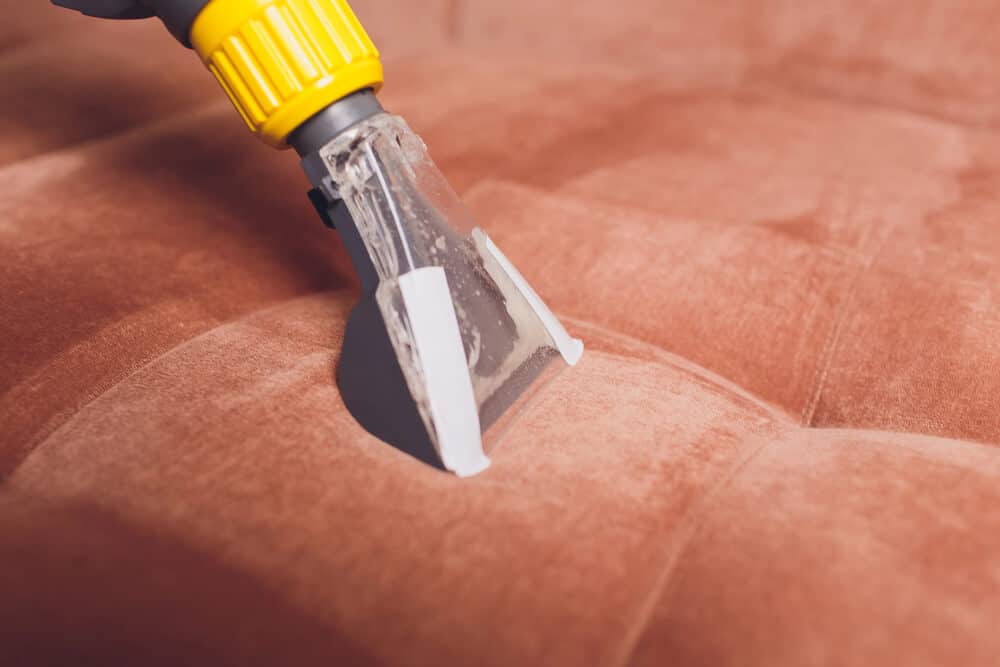
Another critical aspect of maintaining your upholstery is protection from direct sunlight. Prolonged exposure to sunlight can result in fading and weakening of the fabric. Ensure you use window treatments like curtains or blinds to shield your furniture from excessive sunlight. Additionally, rearrange furniture occasionally to distribute the exposure evenly and minimize the risk of fabric damage.
When it comes to stain removal, acting quickly is key. Blot any spillages using a clean, dry cloth to prevent the stain from seeping deeper into the fabric. Avoid rubbing or scrubbing as it may damage the material. For stubborn stains, consult the fabric’s care instructions or seek professional cleaning services.
Here’s a summary of the main maintenance tips:
- Regular vacuuming: Once a week with a soft brush attachment
- Protect from sunlight: Use window treatments and rearrange furniture
- Quick stain removal: Blot spills immediately, follow fabric care instructions
Lastly, consider applying a fabric protector to your upholstery. These products may help repel spills and stains, prolonging the life of your furniture. Make sure to choose a protector that is compatible with your selected material and follow the instructions carefully.
With proper care and attention, your upholstered furniture can remain functional and attractive for years to come. Developing good maintenance habits will ensure that your investment retains its original beauty while providing comfort and style in your home for a long time.
The Environmental Impact of Upholstery Materials
One of the essential aspects to consider when upholstering your furniture is the environmental impact of the materials used. Choosing eco-friendly materials can contribute to a greener lifestyle and a more sustainable planet. Here we will briefly explore various upholstery materials and their environmental implications.
Natural textiles such as cotton, linen, wool, bamboo, jute, and hemp are among the most environmentally friendly alternatives for upholstery fabric. When cultivated without pesticides or fertilisers, these materials are renewable, high quality and require little chemical input. Moreover, many natural textiles biodegrade more easily than their synthetic counterparts.
On the other hand, synthetic textiles like polyester and nylon are derived from non-renewable resources like petroleum and can take a significant toll on the environment. These materials require energy-intensive manufacturing processes and release greenhouse gases. They can be classed as “ugly fabric”. However, innovations in the textile industry have led to the development of recycled synthetics, which can be a more sustainable choice. For instance, recycled polyester made from plastic bottles can help reduce waste and lower the carbon footprint compared to virgin polyester.
When considering padding materials, it’s important to know that many backings and additional padding used in upholstery are made from recycled polyester Dacron, which is dyed with all-natural processes. This choice positively affects our planet by giving a new purpose to waste materials.
To further mitigate the environmental impact, consider using eco-friendly treatments and dyes. Conventional chemical dyes can cause pollution and harm aquatic life. Opting for natural, plant-based, or low-impact dyes can help reduce the ecological impact of textile production.
Lastly, don’t forget about the circular economy aspect of the upholstery sector. By reupholstering your furniture, you prolong its life, reduce waste, and contribute to a more sustainable world, limiting the need for new furniture.
Opting for natural and recycled materials, and eco-friendly dyes, can extend your furniture’s life through the world of upholstery and can go a long way in promoting sustainability!
Frequently Asked Questions
Which fabric maintains durability and longevity?
For furniture upholstery that prioritises durability and longevity, consider materials such as synthetic fabrics, faux leather, or microfibre. These materials are known for their resistance to wear and tear, making them suitable for daily use and high-traffic areas.
What factors should be considered for upholstery fabric selection?
When selecting upholstery fabric, consider factors such as style, durability, maintenance requirements, and budget. The fabric should complement the overall décor of the room, and match the intended use of the furniture. Take note of any specific care instructions for your chosen fabric.
What materials do I need for reupholstering a chair?
To reupholster a chair, you will need several materials, including the upholstery fabric of choice, padding or foam for cushioning, a staple gun, a staple remover, a pair of pliers, scissors, and a sewing machine. Make sure you have measurements for fabric and padding to ensure the correct amount is purchased.
What is the typical cost to reupholster a couch?
The cost to reupholster a couch can vary significantly based on factors such as the size of the couch, choice of fabric, and the complexity of the design. Upholstery fabric prices can range from £25 to £100 per metre or more. On average, reupholstering a couch can cost anywhere from £300 to upwards of £1,500, including the cost of materials and labour.
Where can I find reputable furniture reupholstery services near me?
To find reputable furniture reupholstery services in your area, consider asking friends or family for recommendations for professional upholsterers. You can also conduct online searches for local businesses or a local fabric store with good reviews. It’s always a good idea to ask a nearby furniture store for their suggestions.