
Electricity illuminates our houses, keeps them warm or cool, and powers loads of appliances and devices that are indispensable to our daily lives. Yet this electrical energy that faithfully serves us every day can be a potential cause of destruction.
Electrical issues can be caused by errors in appliances in our homes. Malfunctioning appliances can lead to electrical surges, circuit overloading, electrical sags, dips, fires, and other lethal dangers. Our responsibility is to avoid these errors through proper observation and maintenance.
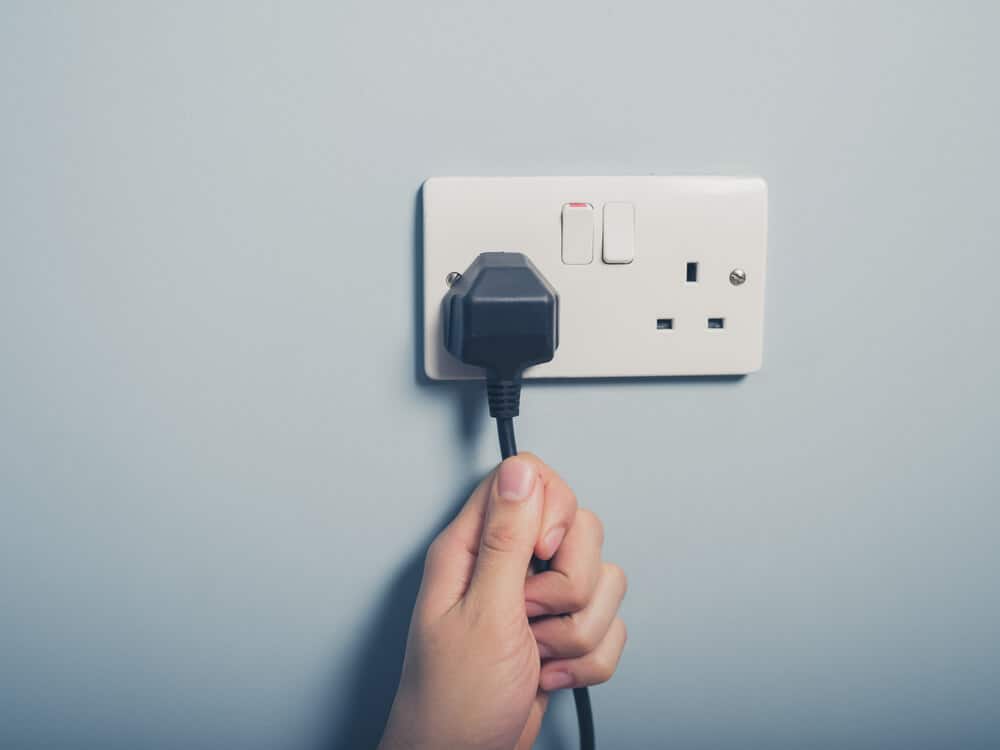
Today, we will discuss 11 common things you should look out for to avoid any potential electrical hazard. Let’s get started!
1. Hot or Sparking Switches and Outlets
Several electrical appliances produce heat at the time of operation. But the outlets should always be cool. Unplug any cord when you notice warmth in an outlet, and wait to use it until you fix the issue.
Treat the warm switch plates and sparking outlets in the same manner. Immediately contact a professional electrician to find out if the wiring needs any repairs or if your fixtures need to be replaced.
Dimmer switches are an exception. They usually get warm as they dissolve the overflowing electrical energy to create a dimming effect. Even dimmer switch plates should not be excessively warm. This is why it’s important to look over the wattage before installing dimmer switches.
2. Electric Shocks
If you receive a mild shock while walking on your carpet, maybe it is just static. So, these shocks are not usually concerning. But, when you try to plug in something and experience an electric shock, there might be an issue in the wire or circuit, probably current overload or some other problem, which is usually easy to fix.
When you touch any metal object connected to your home’s mechanical system and get a shock, it is a strong indication that your home electrical system isn’t properly grounded. In such cases, it is important to test for ground with a multimeter and take necessary help from a professional.
3. Buzzing or Flickering Lights
Usually, flickering lights are an indicator of power surges. Only catastrophic events do not cause power surges. Rather, they are more likely caused by your electronic appliances, drawing extra power from the electrical system than it can actually handle. These surges may affect both your home electrical fixtures and your devices.
Loose electrical connections can also cause flickering or buzzing lights. If it becomes persistent, maybe it is time to upgrade or fix the wiring system in your house. However, make sure to take help from a licensed electrician only.
4. Loose Outlets
If you try to plug in a cord in an outlet only to find the structures inside the outlet are loose and moving around, you should immediately pop open the outlet, getting it squared away.
Any loose outlet eventually frees the wires inside it, leading to sparks, shorts, and probable fire hazards. Fortunately, this serious issue is a comparatively easy fix.
5. Burning Smell
New appliances may produce unfamiliar odors when first installed. The appliance’s finish, paint, or some superficial issues may cause this odor. But when you notice a burning smell coming from an appliance, it is definitely a warning sign.
When your home’s wiring system is producing enough heat to melt the superficial plastic sheathing, you are facing a serious threat of fire, which requires immediate action. First, try to spot the melting circuit and immediately shut it down. But if you can not identify it, shut off the main power switch until the professionals arrive.
6. Rodent Activity
Rats and mice like chewing electrical wiring, and damaged or frayed wiring is definitely a fire hazard. So if you notice rodent nest material, droppings, or any other hints of rodent activities in your basement, attic, or around any electrical fixtures, examine all the wiring in that area to find any damage or chew marks.
If you are worried about a rodent infestation, contact a pest control specialist to confirm your concern and treat it.
7. Circuit Breaker Issues
Circuit breakers are built as a security feature to turn off electrical power in case of system overload. It is normal if they trip sometimes, and you can just switch them back on. However, if a breaker trips repeatedly, it is a sign of potentially threatening underlying problems in your house’s wiring.
If an outdated breaker in your house trips persistently or it is an old fuse panel, maybe it is time for a new panel.
Some appliances may trip circuits. When it repeatedly happens with a particular appliance, the chance is that the fault is in the appliance, not your electrical system.
8. Warm Ceiling Fixtures
Warmth around the area of the ceiling fixtures can be a sign of insufficient insulation. Overheating can also be caused by bulbs with more than the recommended wattage. Either of these issues poses a prospective fire hazard.
Consider using LED (light-emitting diode) or CFL (compact fluorescent light) bulbs, as these bulbs produce comparatively less heat than incandescent bulbs.
9. Tangled or Messy Wiring
Electrical works are not usually impacted by appearance. Well-organized or beautifully arranged cabling conduct just as much as haphazardly arranged wires. But signs of excessive slapdash work or disorganization may indicate rushed or poorly done electrical work.
If you notice packed electrical boxes or extremely tangled lines, it is wise to thoroughly inspect the electrical service of the rest of your house.
10. Aluminum Wiring
In the past, home builders used to apply single-strand aluminum wires for electrical services because of the high prices of copper. However, as per laboratory tests, aluminum wires were an appropriate replacement for copper. Therefore it appeared as a great way to reduce costs.
However, exposed aluminum wires oxidize way faster than copper, which builds up warmth and increases risk of fire. In a well-controlled laboratory condition, this may not be a problem. But aluminum wiring is a hazard when it comes to the real world, the imperfect environment of a house, particularly in branch wire loops. That is why home branch-circuit wirings do not contain aluminum anymore these days.
From using specialized connectors to an entire home rewiring, there are multiple ways to find existing aluminum wirings. If you doubt your house contains aluminum wiring, it is wise to consider home rewiring with an expert and licensed electrician. Moreover, maintaining a contemporary electrical system is crucial for the safety and comfort of a homeowner.
11. Arc Faults
Arc faults happen when any electrical circuit deviates from its planned pathway, often via a split in the system. Arc faults are considered a very common cause of fire.
Fortunately, any professional electrician can prevent arc faults by installing a device named AFCI (arc-fault circuit interrupter). They might be a little pricey, but they are worth every penny, particularly in older houses where the wiring may get degraded.
The Bottom Line
Even though most of our home wiring is concealed in the ceiling spaces or behind the walls, most of the issues in the electrical system show warnings before the tragedy strikes. Only a bit of vigilance can protect you from any potential disaster. Good luck!