
Buying second-hand is often a great option when you’re in the market for a new car. Not only can it save you money and give you more bang for your buck, but it also allows you to get your hands on a quality vehicle that would otherwise be out of your price range. When it’s a used luxury car or an affordable family model, buying second-hand can offer numerous benefits when done right.
That said, there are certain things to remember when shopping for a pre-loved vehicle. From researching reputable dealers to getting an independent inspection before purchasing, here’s what to consider before taking the plunge into the world of second-hand cars.

Do your research
When buying a used car, it is essential to do your research. Choosing older cars can be a great way to save money, but you should carefully consider what you are getting for your money. Look at reliable sources such as Consumer Reports or Car and Driver to get an idea of what makes and models are known for their longevity, safety ratings, affordability, and overall performance. This will help narrow down your choices so that when you’re ready to start looking for cars, you can focus on those that have already passed the initial quality test.
Knowing as much as possible about the make and model of the car you want to buy can help you make an informed decision about whether or not it’s right for you. Consider researching its market value, fuel economy, reliability ratings, available features, safety records, and service history. Doing this research will also ensure you get a good deal on the car when making your purchase.
Pick the right dealer
When buying a second-hand car, the most important thing to remember is to pick the right dealer. This is because not all dealers are reputable and reliable when selling used cars. You should always ensure that you are dealing with a dealer with good reviews and a solid reputation among other customers. Additionally, they should be able to provide you with relevant information about the car’s history, such as its maintenance records, service history, any previous repairs or modifications made on the car, etc
It is also essential to know what kind of warranty coverage (if any) comes with the car so that you can be sure that it will be covered if something were to go wrong in the future. Furthermore, you should ensure that the dealer sells you a car that has passed all safety inspections and is not recalled. Checking for any recalls is important, as it can save you from buying a potentially dangerous and defective vehicle
Finally, when selecting a used car dealership, ask lots of questions and take your time to get the best deal possible. Be wary of dealers who are overly pushy or trying to rush you into making the purchase. Excellent and reliable dealers will always be willing to answer any queries and provide detailed information about the vehicle so that you can make an informed decision before buying.
Get an independent inspection done
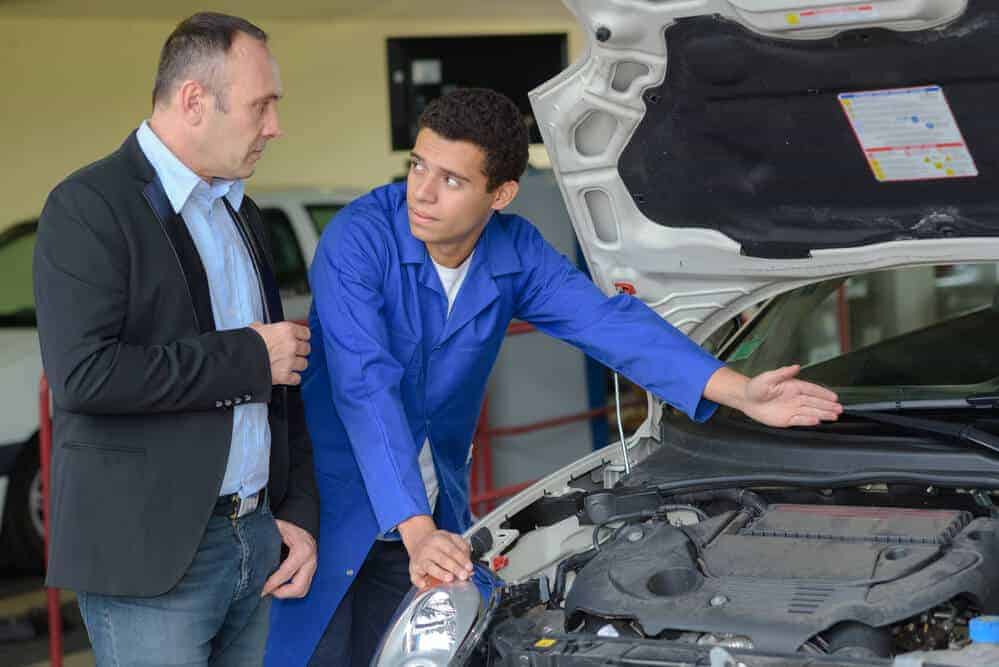
When buying a second-hand car, it is important to get an independent inspection done. An independent inspection can help identify any potential issues with the vehicle before you make your decision. The inspector will check for any mechanical or structural problems, look at the vehicle history, and check for rust or corrosion that may not be visible just by looking at the outside of the car. They will also be able to give you an informed opinion about whether or not the price being asked is fair. It’s worth investing in an inspection as it could potentially save you money in repair costs down the line if there are hidden issues with the vehicle that would otherwise go unnoticed.
Check out the vehicle’s history
A vehicle’s history can tell you a lot about its condition and how it’s been maintained. Ask the seller for service records to get an idea of its use. If they don’t have any paperwork, you can do your own research by running a CarFax report, or VIN checks to uncover potential problems such as accidents, recalls, or other issues that may not be obvious at first glance.
Test drive the vehicle
Once you’ve narrowed down your choices and done your preliminary checks, it’s time to take each car for a test drive. During the drive, pay attention to how the car handles, accelerates, and brakes. Also, ensure all warning lights are in working order, the air conditioning is blowing cool air and all other features like power windows and door locks are functioning as expected.
Take your time deciding
Lastly, when buying a second-hand car, it’s important to take your time and not rush into any decisions. Don’t be afraid to negotiate the price or ask questions about the vehicle before signing on the dotted line. Doing so can save you a lot of money (and hassle) down the road
By keeping these tips in mind when shopping for a second-hand car, you can rest assured that you will find a reliable and affordable vehicle that meets all of your needs. So don’t be afraid to explore this market – you may be surprised by the great deals you can find! Good luck and happy shopping!