
Car accidents are common. Did you know the United States witnessed more than 6.7 million car accidents last year? While dealing with the aftermath of a car accident is tricky, what’s more challenging is determining who was at fault. Each state has different laws guiding how to determine who was at fault in an auto accident. Hence, victims must be well-versed with laws and regulations associated with car accidents in their particular state.
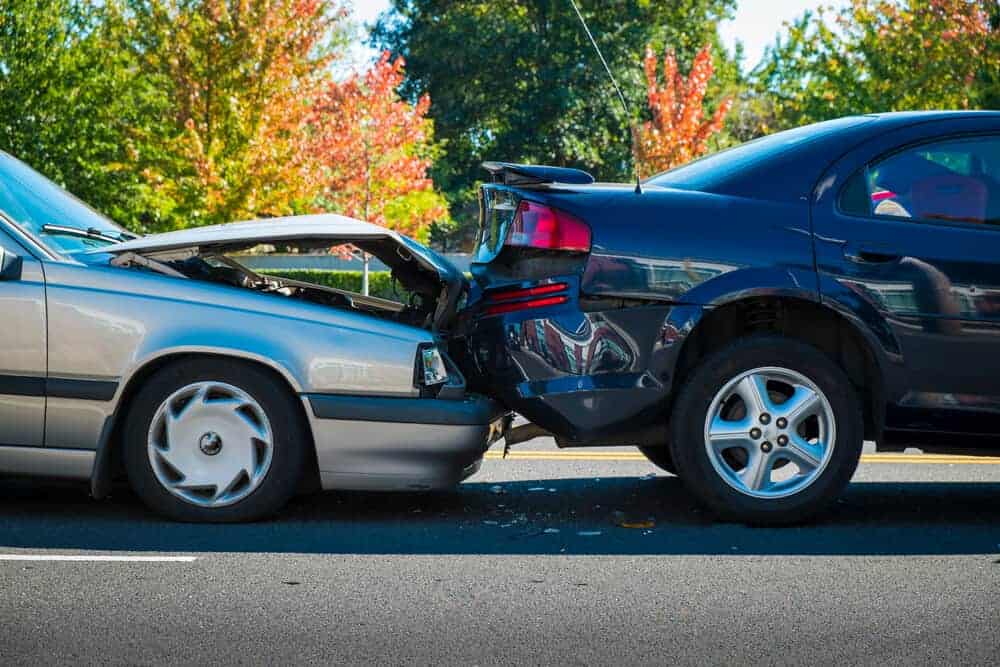
This is vital as it decides whether you’ll be entitled to a personal injury claim and, if yes, what the exact amount will be. In this article, we’ve discussed a list of factors that shed light on how fault is determined in car accidents. Read on to know more.
Different Ways to Determine Fault
- Drivers: As soon as the accident occurs, the involved drivers may try to decide who was at fault. Most often, the drivers will accuse each other of irresponsible driving. However, in some cases, a driver admits his fault out of guilt.
If you ever get into an accident and admit your fault, chances are you will have to shoulder financial responsibility for the accident, especially if it caused personal injury or any damage to your vehicle. In such cases, it’s best to consult a car accident lawyer who can give you a legal overview of what just happened and how you can deal with it.
How Can a Car Accident Attorney Help?
In cases of car accidents that involve personal injury, it is advised to seek help from experienced car injury lawyers. A Car Accident Lawyer New York (or elsewhere) can guide you through the complexities of your case, provide advice tailored to local laws, and help ensure you receive the compensation you deserve. These legal professionals can give you a comprehensive idea of your case and might warn you about certain actions that you should avoid. Since each state has its own laws, hiring an attorney will ensure that you have a legal expert working for you, and you can focus on other areas of your life.
- Insurance Companies: Your insurance company also has the liberty to decide which claims they fulfill and which they don’t. If the at-fault driver is the other party, your insurance company will likely seek compensation from their insurance provider.
- Police Report: After the accident, the police will study the accident place and try to determine who’s at fault. Apart from investigating the location of the vehicle damage, police can also study additional factors, such as texting & driving and driving under the influence. Based on these factors, the police will make a report which the insurance company will then review.
Types of Scenarios Where Fault Is Determined Differently
Here is a list of different accident scenarios and a brief idea of how fault and liability are secured with each of the cases. This will give you a better understanding.
- 100% at fault: If it’s clear that the other party is at 100% fault, their insurance provider will pay for all the damages.
- 51% or more at fault: In some states, your percentage at fault matters. If you are at 51% or more at fault, some states would require you to compensate for the entire damage. However, some states let you pay for your percentage of fault. For example, if your fault is 20%, you will pay 20% of the damages and vice versa.
- 50/50 fault: If nobody can come to a conclusion as to who was at fault. Insurance companies can negotiate by splitting the compensation cost equally. While it seems a pretty fair deal, some states don’t allow this.
What to Do When Fault Cannot be Determined?
In many cases, the drivers, insurance party, and even the police fail to determine the at-fault party. In such cases, people prefer using an arbitration method, which basically means settling the claim amount without going to court. In this, a neutral arbiter is chosen to decide the percentage of fault each party has.
Oftentimes, victims also go to small claims court to get compensation for their damages. Besides, some states allow you to sue the other at-fault driver for a certain amount of fault, and you could also be required to pay your percentage of damages.
The Bottom Line
Determining fault in a car accident is a time-consuming and tricky business. From drivers involved and police to insurance providers and lawyers, many factors decide who’s at fault. If you are a car accident victim, your job is to collect relevant witnesses and keep calm to maintain the situation. If things become overwhelming, it’s best to have a car accident lawyer by your side who can manage the legal aspect on your behalf.