
There has been a growing need for community gardens and that is why they are the new trend. This is mostly as a result of the prevailing pressures on food banks, food poverty and long allotment waiting lists.
Community gardens aren’t just about boosting food productivity but also an ideal forum for people living in the same community to come together, learn and share new skills while growing fresh local produce in the community high tunnel greenhouse.
However, there are some key things you should do in order for you to successfully set up a community growing garden. This post explicitly outlines them.
Continue reading this article to learn more about how you can set up a community growing garden easily.

1. Identify a need
The first question you need to ask yourself is whether there are any existing community growing gardens in the surrounding community. One of the best ways to know about this is by doing an internet search. You may discover that there are already some that you could join in. if not, you could be part of the force that helps set up one.
Setting up one means identifying who this project would be suitable for and those responsible for working in the garden. Would it be younger or older people? People with some specific needs or just anyone? You need to find a common ground by discussing your intentions with all these groups and establish their needs and interests.
2. Look out for space for the growing garden
This may be an incredible opportunity for you to utilise any potential growing space in your community. Some of the ideal locations could include:
- Gardens on school land
- Allotments
- Woodlands
- Reclaiming disuse land
- Any portion of unused land in social housing providers or councils’ ownership
Furthermore, you can also checkout the allotment vacancies section on The National Society website or The Community Land Advisory Service for services pertaining to the increase of community access to land.
3. Select your preferred growing space
As you select your growing, there are a few practical things you should consider, including:
- Electricity availability
- Access to water
- Space for storage
- Length of lease
- Access
4. Start planning your garden
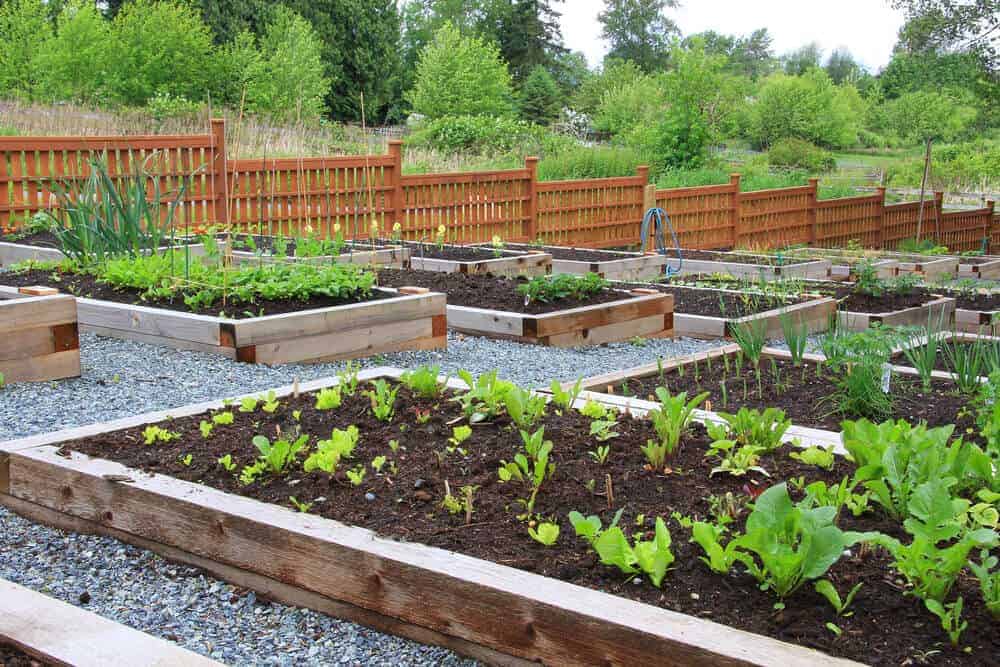
After securing your piece of land, you should start thinking about what you will grow in the garden. It could be hers, vegetables, flowers or even fruits. Therefore, you should plan your garden in such a way that it has space for growing, seating, secure storage, wet weather space, composting toilet, sensory garden space and compost bin space. In addition, you should also determine which areas of your garden get more sunlight and those that don’t. There are fruits and vegetables that grow in shade while others thrive under full sunlight. At the same time, ensure that it suits the needs of your community.
5. Create a wish list
In most community growing gardens, the equipment, seeds and tools are mostly donated. Therefore, it is important to come up with an exhaustive wish list so that whoever wishes to help or donate anything can find out from the list. This way, you can check out those that are available and those missing.
6. Go out and find some funds for the project
You can stumble on a variety of funders who are willing to support your community growing garden financially. These funders can either be private entities, governmental organisations or even people within your community who believe in the cause.
You have to keep in mind that the amounts awarded by different organisations vary, and it will mostly depend on the size of the community growing garden and what is being grown in the garden. Therefore, it would be up you to draft an appealing trust letter that you will present to your potential funders to kick-start the project.
7. How about the income?
You should start asking yourself how this community garden will help your community and how it will become self-sustaining. Some of the key questions that should pop up in this regard are:
- Will the community participants use all the garden’s produce?
- Should you consider selling off spare produce at markets and fetes?
- Would it be possible to sell plants, make chutneys and jams?
- Would it make economic sense to rent out some space, recruit paying members or offer any other services?
Conclusion
It is clear that community growing gardens offer a variety of benefits apart from just connecting people within the community and growing fresh produce. Therefore, following these steps would be a great way to becoming a self-sustaining community whilst fighting food poverty.